
- High-Performance Doors
-
- Applications
-
-
-
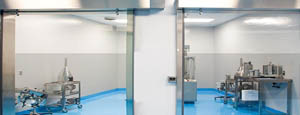
- Clean Room
Stainless steel or composite materials help maintain clean rooms.
-
-
- Coolers
Quick opening speeds & tight seals for temperature control.
-
-
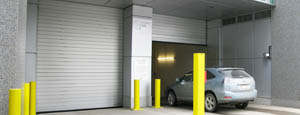
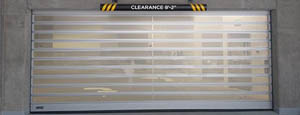
- Parking
Improve security & traffic flow and enhance architectural style.
-
-
- Hurricane Zone
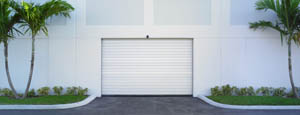
Withstand winds up to 175 mph and comply with the Florida Building Code.
-
-
-
-
- USDA / FDA / cGMP
Increase productivity & address stringent USDA, FDA & cGMP requirements.
-
-
- Freezers
High-speed & perimeter seals minimize the air exchange between areas.
-
-
- Security
High speed & durability ensure secure access.
-
-
- Ventilation
Perforated or screen door panels allow improved air circulation.
-
-
-
-
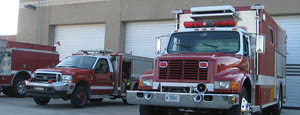
- Fire Station Emergency Response
When time is of the essence, high speed and reliability are crucial.
-
-
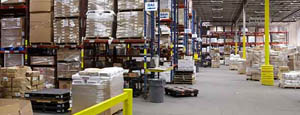
- Warehousing
Fast cycle times and secure seals keep environments separated.
-
-
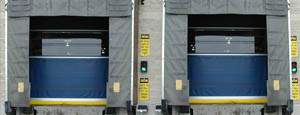
- Loading Dock
Rugged design & secure seal for oversized openings.
-
-
- Large Openings
Break-away functionality with rugged design seals oversized openings.
-
-
-
-
- Heavy Equipment
Withstands challenges of heavy equipment and fleet truck/car wash environments.
-
-
- Self-Storage
Fast opening speeds and reliable, durable construction keep facilities secure and protected.
-
-
- Industries
-
-
-
- Automotive Dealerships
Reduce energy costs, increase productivity and comfort and enhance customer perception.
-
-
- Cold Storage & Processing
Increase productivity and operational efficiency while reducing energy and maintenance costs.
-
-
- Parking
We offer solutions for Apartment / Condo & Loft, Standalone Parking Facilities and Office Buildings
-
-
-
-
- Food & Beverage
Doors specifically engineered for USDA/FDA and cGMP environments, and assured compliance for uncompromising performance.
-
-
- Mfg/Dist/Warehousing
A complete product line allows facilities to increase efficiency and safety and reduce maintenance and energy costs.
-
-
- Government
Ensure effective security and environmental controls are maintained for critical government operations.
-
-
-
-
- Transit
Keep operations running smoothly and efficient while reducing energy and maintenance costs.
-
-
- Pharma, Nutraceutical & Biotech
Doors that offer quick, secure access, environmental control and reliability for life science facilities.
-
-
- Support Resources
- Parts
- Contact Us
- Blog/News
- Why Rytec
- Sales Rep Locator
- Careers
- Dealers
- Architectural Resources


What Is the Best Hurricane Rated Garage Door in 2026?
In 2026, the best hurricane rated garage door is not simply the thickest or most expensive model. It is a door tested for the wind pressures and impact risks expected at your home, correctly sized for its opening, and installed according to its documentation. A strong panel can still underperform if its tracks, anchors, or surrounding framing are weak. Details matter.
Wind-engineering expert Dr. Timothy Reinhold’s work at the Insurance Institute for Business & Home Safety offers a useful takeaway. Paraphrased, not a direct quotation: “A garage door is part of the home’s wind-resistance system, not merely a convenience.” That distinction matters when comparing product labels. Look for clear test information, documented wind-load performance, and impact protection appropriate to your exposure. Ask how the complete assembly performs, not just the door panel.
This guide explores how to compare hurricane-rated options in 2026, including construction, reinforcement, testing, installation, and long-term upkeep. It also explains why a door that suits one home may be a poor choice for another. Local building requirements and site conditions can affect the right specification, so confirm details with qualified local professionals and the manufacturer. No door is magic. A careful comparison takes time, and product claims deserve scrutiny. The aim is a practical shortlist, not a universal winner.
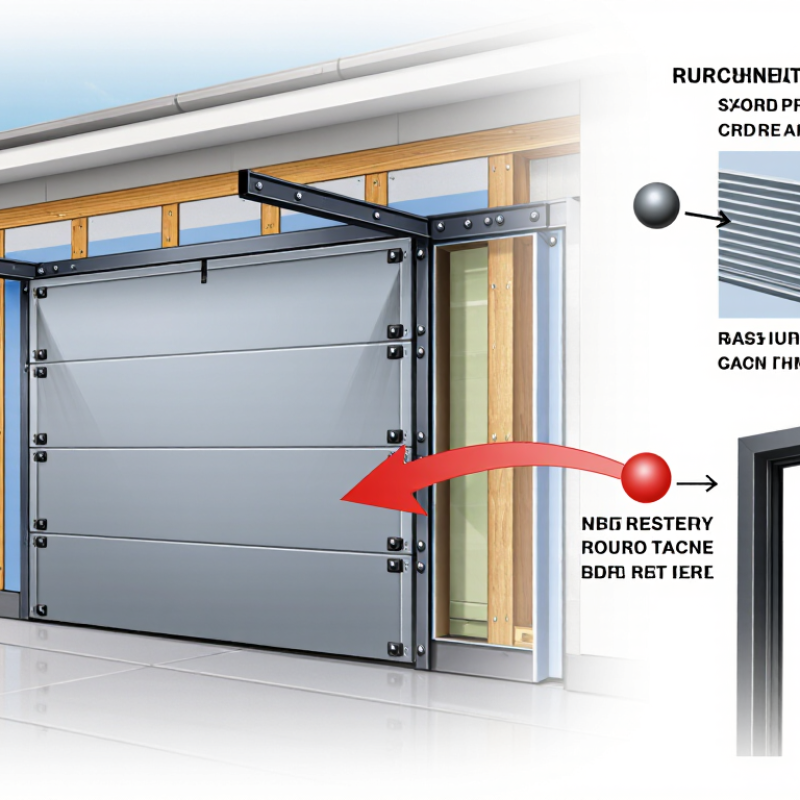
Table of Contents
[Hide]
Define Hurricane Ratings: ASTM E1886/E1996 and Florida TAS 201–203
What Is the Best Hurricane Rated Garage Door in 2026?
Define Hurricane Ratings: ASTM E1886/E1996 and Florida TAS 201–203
“Hurricane-rated” is not one universal score. ASTM E1886 evaluates impact resistance and performance under cyclic pressure; ASTM E1996 specifies debris-impact requirements for building components. Florida’s TAS 201 covers impact testing, TAS 202 uniform static air pressure, and TAS 203 repeated wind-pressure cycles. That distinction matters. A door can pass an impact test yet still need the correct pressure rating for its location.
NOAA’s Tropical Cyclone Report for Hurricane Ian recorded 150 mph maximum sustained winds at landfall in Florida in 2022. That figure describes the storm, not a garage-door rating: required design pressures depend on location, building height, exposure, and opening size. Check the product’s approval documents for the tested door dimensions, pressure values, track, and anchorage—not just a sticker or sales description. Look closely at the jamb bolts and track connections; a strong panel cannot compensate for weak installation. One detail is easy to miss: approvals for one size or configuration may not cover another. The paperwork can feel tedious, but it is worth checking.
Related Posts
-
7 Best Hurricane Proof Garage Doors for 2026?
-
Top 10 Best Hurricane Garage Doors for Global Buyers
-
Top 10 Types of Hurricane Impact Garage Doors?
-
How to Choose China Best Hurricane Garage Doors?
-
Top 10 Tips for Choosing a Hurricane Rated Garage Door for Your Home
-

What Are the Benefits of Slide and Fold Technology for Businesses?