
- High-Performance Doors
-
- Applications
-
-
-
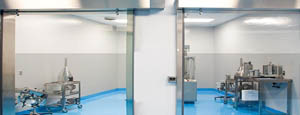
- Clean Room
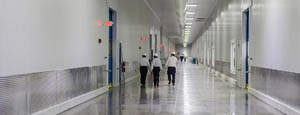
Stainless steel or composite materials help maintain clean rooms.
-
-
- Coolers
Quick opening speeds & tight seals for temperature control.
-
-
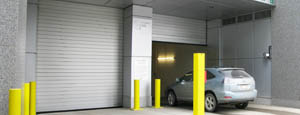
- Parking
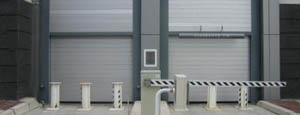
Improve security & traffic flow and enhance architectural style.
-
-
- Hurricane Zone
Withstand winds up to 175 mph and comply with the Florida Building Code.
-
-
-
-
- USDA / FDA / cGMP
Increase productivity & address stringent USDA, FDA & cGMP requirements.
-
-
- Freezers
High-speed & perimeter seals minimize the air exchange between areas.
-
-
- Security
High speed & durability ensure secure access.
-
-
- Ventilation
Perforated or screen door panels allow improved air circulation.
-
-
-
-
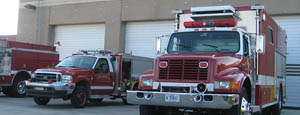
- Fire Station Emergency Response
When time is of the essence, high speed and reliability are crucial.
-
-
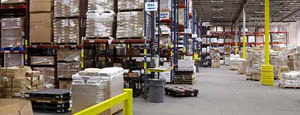
- Warehousing
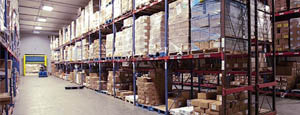
Fast cycle times and secure seals keep environments separated.
-
-
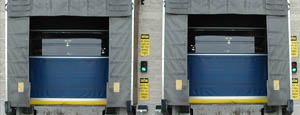
- Loading Dock
Rugged design & secure seal for oversized openings.
-
-
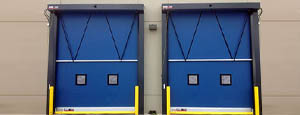
- Large Openings
Break-away functionality with rugged design seals oversized openings.
-
-
-
-
- Heavy Equipment
Withstands challenges of heavy equipment and fleet truck/car wash environments.
-
-
- Self-Storage
Fast opening speeds and reliable, durable construction keep facilities secure and protected.
-
-
- Industries
-
-
-
- Automotive Dealerships
Reduce energy costs, increase productivity and comfort and enhance customer perception.
-
-
- Cold Storage & Processing
Increase productivity and operational efficiency while reducing energy and maintenance costs.
-
-
- Parking
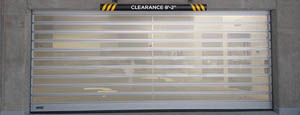
We offer solutions for Apartment / Condo & Loft, Standalone Parking Facilities and Office Buildings
-
-
-
-
- Food & Beverage
Doors specifically engineered for USDA/FDA and cGMP environments, and assured compliance for uncompromising performance.
-
-
- Mfg/Dist/Warehousing
A complete product line allows facilities to increase efficiency and safety and reduce maintenance and energy costs.
-
-
- Government
Ensure effective security and environmental controls are maintained for critical government operations.
-
-
-
-
- Transit
Keep operations running smoothly and efficient while reducing energy and maintenance costs.
-
-
- Pharma, Nutraceutical & Biotech
Doors that offer quick, secure access, environmental control and reliability for life science facilities.
-
-
- Support Resources
- Parts
- Contact Us
- Blog/News
- Why Rytec
- Sales Rep Locator
- Careers
- Dealers
- Architectural Resources




What Are the Benefits of Slide and Fold Technology for Businesses?
In today's competitive landscape, businesses are constantly seeking innovative solutions to enhance efficiency. Slide and fold technology has emerged as a game-changer in various industries. According to a recent report by the International Folding Association, the adoption of slide and fold systems can improve operational efficiency by up to 30%. This significant increase has drawn the attention of industry experts.
John Smith, a leading figure in the slide and fold sector, states, “Businesses leveraging slide and fold technology are not just adapting; they are thriving.” His insights align with growing evidence that this technology enhances product usability and workspace organization. Companies using these methods report higher employee satisfaction due to improved workflow and reduced clutter.
However, the implementation of slide and fold technology is not without challenges. Many businesses struggle with the initial investment and training. A careful approach is necessary to ensure long-term benefits outweigh short-term hurdles. Without proper planning, companies may not fully realize the potential advantages of this innovative solution. Balancing investment and efficiency remains a critical consideration for businesses venturing into slide and fold technology.

Table of Contents
[Hide]
Benefits of Slide and Fold Technology in Enhancing Operational Efficiency
Slide and fold technology offers significant advantages for businesses aiming to enhance operational efficiency. This innovative approach allows for flexible spatial organization, enabling workers to quickly adjust their environment as needed. For instance, a manufacturing plant can optimize its layout by folding equipment when not in use. This change can maximize floor space and improve workflow.
Another crucial benefit lies in the reduction of equipment downtime. Traditional setups often require lengthy assembly processes. With slide and fold technology, transitioning between tasks becomes much more seamless. Staff can allocate their time more efficiently, shifting focus to core activities. However, companies should also consider staff training for optimal use. A lack of understanding may lead to underutilization of this technology.
Additionally, this technology helps in minimizing waste. By adjusting configurations, businesses can reduce excess energy consumption and material loss. Yet, regular assessments are needed to ensure the system meets operational goals. Some businesses may struggle initially to align traditional practices with innovative methods. The learning curve can be steep, prompting teams to regularly reflect on their processes for continual improvement.
Related Posts
-

Exploring the Benefits of Slide and Fold Techniques in Modern Architecture
-
How to Choose the Right Rytec Doors for Your Business Needs?
-
Understanding the Benefits of Rytec Doors for Your Commercial Space
-

Ultimate Guide to Slide and Fold Techniques for Stunning Presentations
-
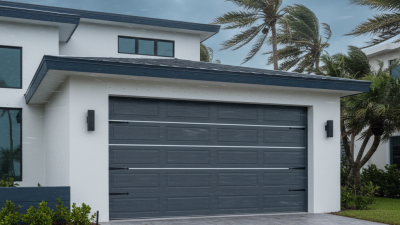
Top 10 Tips for Choosing a Hurricane Rated Garage Door for Your Home
-

How to Choose the Best Bifold Sliding Doors for Your Home?