
- High-Performance Doors
-
- Applications
-
-
-
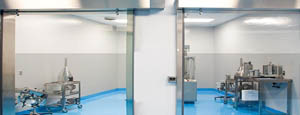
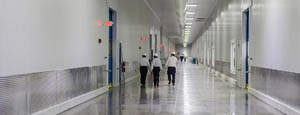
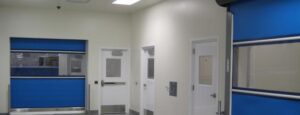
- Clean Room
Stainless steel or composite materials help maintain clean rooms.
-
-
- Coolers
Quick opening speeds & tight seals for temperature control.
-
-
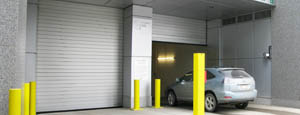
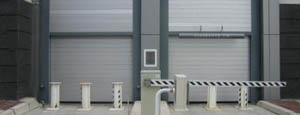
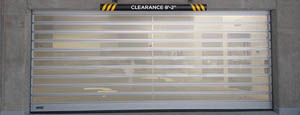
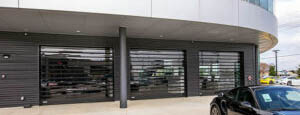
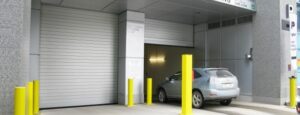
- Parking
Improve security & traffic flow and enhance architectural style.
-
-
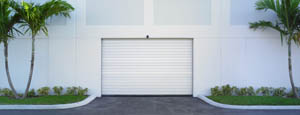
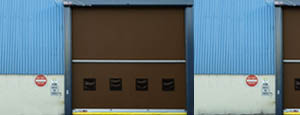
- Hurricane Zone
Withstand winds up to 175 mph and comply with the Florida Building Code.
-
-
-
-
- USDA / FDA / cGMP
Increase productivity & address stringent USDA, FDA & cGMP requirements.
-
-
- Freezers
High-speed & perimeter seals minimize the air exchange between areas.
-
-
- Security
High speed & durability ensure secure access.
-
-
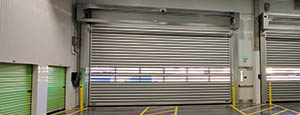
- Ventilation
Perforated or screen door panels allow improved air circulation.
-
-
-
-
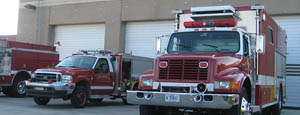
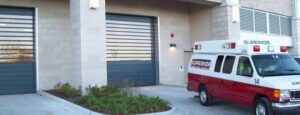
- Fire Station Emergency Response
When time is of the essence, high speed and reliability are crucial.
-
-
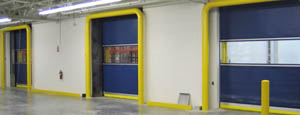
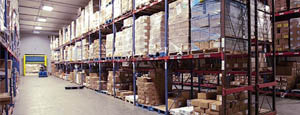
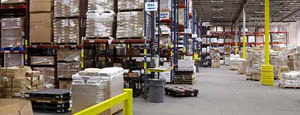
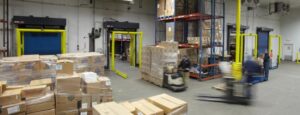
- Warehousing
Fast cycle times and secure seals keep environments separated.
-
-
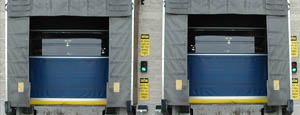
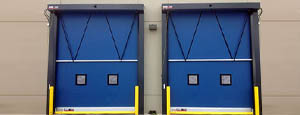
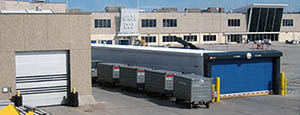
- Loading Dock
Rugged design & secure seal for oversized openings.
-
-
- Large Openings
Break-away functionality with rugged design seals oversized openings.
-
-
-
-
- Heavy Equipment
Withstands challenges of heavy equipment and fleet truck/car wash environments.
-
-
- Self-Storage
Fast opening speeds and reliable, durable construction keep facilities secure and protected.
-
-
- Industries
-
-
-
- Automotive Dealerships
Reduce energy costs, increase productivity and comfort and enhance customer perception.
-
-
- Cold Storage & Processing
Increase productivity and operational efficiency while reducing energy and maintenance costs.
-
-
- Parking
We offer solutions for Apartment / Condo & Loft, Standalone Parking Facilities and Office Buildings
-
-
-
-
- Food & Beverage
Doors specifically engineered for USDA/FDA and cGMP environments, and assured compliance for uncompromising performance.
-
-
- Mfg/Dist/Warehousing
A complete product line allows facilities to increase efficiency and safety and reduce maintenance and energy costs.
-
-
- Government
Ensure effective security and environmental controls are maintained for critical government operations.
-
-
-
-
- Transit
Keep operations running smoothly and efficient while reducing energy and maintenance costs.
-
-
- Pharma, Nutraceutical & Biotech
Doors that offer quick, secure access, environmental control and reliability for life science facilities.
-
-
- Support Resources
- Parts
- Contact Us
- Blog/News
- Why Rytec
- Sales Rep Locator
- Careers
- Dealers
- Architectural Resources

Top 10 Best Hurricane Garage Doors for Global Buyers
For coastal property owners, hurricane garage doors are not merely aesthetic upgrades. They are critical parts of a home’s wind-resistance system. The U.S. National Oceanic and Atmospheric Administration reported 18 named storms, 11 hurricanes, and five major hurricanes during the 2024 Atlantic season. NOAA’s 2024 Billion-Dollar Weather and Climate Disasters report also recorded 27 costly U.S. weather events. These figures show why garage-door performance deserves careful attention.
This guide evaluates ten leading options for global buyers. The comparison considers wind-load ratings, impact resistance, water infiltration, corrosion protection, insulation, emergency operation, and installation support. Testing references include ASTM E1886 and E1996, which address windborne debris performance, plus regional requirements such as Miami-Dade County’s TAS 201, TAS 202, and TAS 203 protocols. FEMA guidance also emphasizes maintaining a continuous building envelope, including protected garage openings. A strong door helps, but it cannot compensate for weak tracks, poor anchoring, or an inadequately reinforced garage wall.
Details matter. Look for labeled wind ratings, documented testing, stainless-steel or protected hardware, and seals that remain flexible under heat and salt exposure. A heavy curtain is not automatically a safer curtain. No ranking is perfect. Product availability, local engineering requirements, and installer quality can change the real-world result. Buyers should verify certificates with manufacturers and consult qualified local professionals before ordering. This introduction focuses on practical evidence, not impressive photographs. That distinction may prevent an expensive mistake when flying debris reaches the garage.
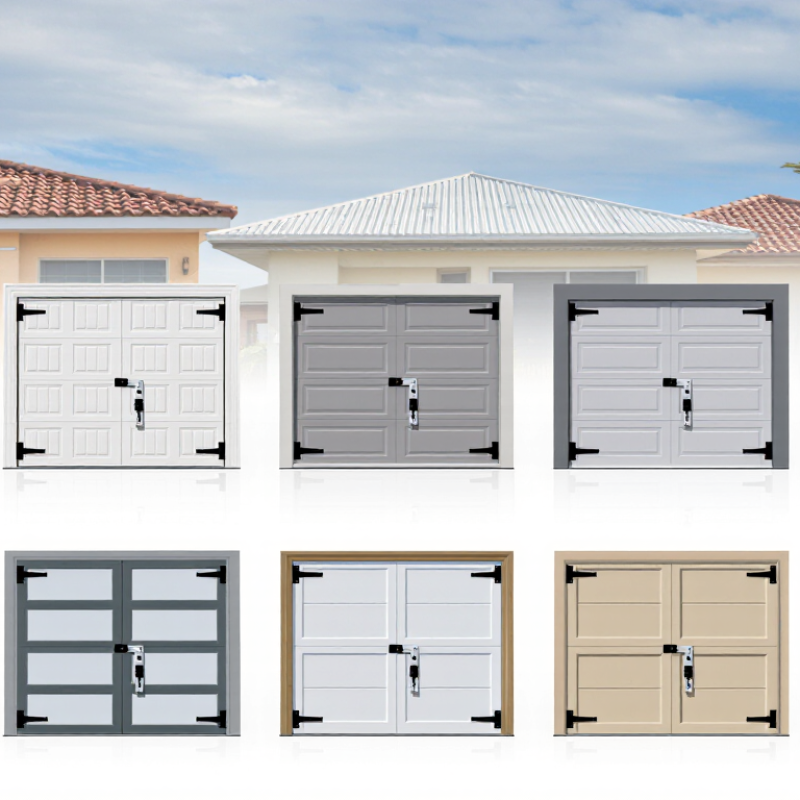
Table of Contents
[Hide]
What Makes a Garage Door Hurricane-Resistant
What Makes a Garage Door Hurricane-Resistant
A hurricane-resistant garage door is engineered as a complete system, not just a thicker panel. FEMA’s Coastal Construction Manual identifies garage doors as common breach points during coastal storms. Once wind enters, internal pressure can lift the roof or push out walls. A reliable door needs reinforced panels, wind-rated tracks, strong hinges, and secure vertical locking.
Testing matters more than appearance. ASTM E1886 and E1996 evaluate impact resistance and repeated wind-pressure cycles. Miami-Dade TAS 201, TAS 202, and TAS 203 provide another rigorous testing framework for impact, pressure, and structural performance. Ask for a tested assembly, not a single “hurricane-proof” component. That wording can mislead.
NOAA’s National Hurricane Center defines Category 1 hurricanes as having winds from 74 to 95 mph. Category 5 begins at 157 mph. These figures describe sustained winds, not every gust or flying object. The correct door depends on local design pressure, opening size, building location, and installation quality. A small gap under the panel can become a serious weakness. Professional anchoring is essential.
I would also inspect the backup lock.
Homeowners sometimes focus only on impact glass or heavy steel. That is incomplete. A door may survive debris but fail at its tracks. Maintenance deserves attention too. Loose rollers, corroded fasteners, and worn seals reduce real-world protection. Even excellent testing cannot compensate for poor installation or neglected hardware.
Related Posts
-
7 Best Hurricane Proof Garage Doors for 2026?
-
Top 10 Tips for Choosing a Hurricane Rated Garage Door for Your Home
-
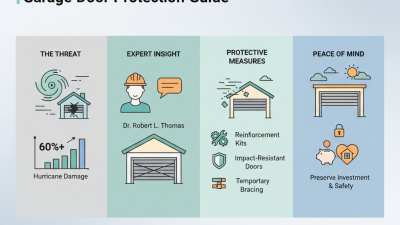
2025 How to Protect Your Garage Door from Hurricane Damage Effectively
-
Top 10 Benefits of Hurricane Rated Garage Doors for Homeowners
-
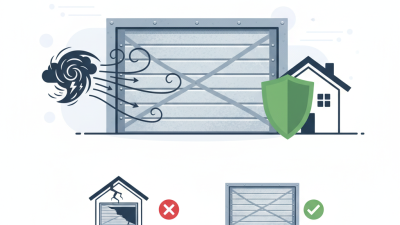
How to Choose Hurricane Proof Garage Doors for Maximum Safety
-
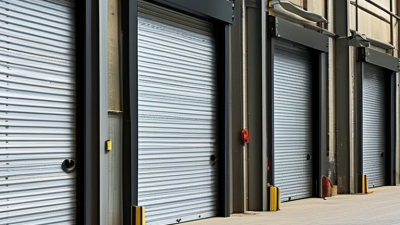
What You Need to Know About Rolling Doors for Your Business?