Top 10 Types of Hurricane Impact Garage Doors?

Choosing a garage door for hurricane-prone areas requires more than comparing price tags and attractive finishes. A properly selected hurricane impact garage door can help protect the opening, vehicles, stored equipment, and connected living spaces during severe wind events. Yet performance depends on the entire system, including tracks, hinges, rollers, reinforcement, wall connections, and installation quality.

This guide explores the top 10 types of hurricane impact garage doors, from reinforced sectional models and rolling steel doors to custom coastal designs. Each type offers different benefits for wind resistance, insulation, maintenance, appearance, and daily operation. For example, a sectional door may suit a family home with limited driveway space, while a rolling door can provide compact storage above the opening. Small details matter, such as corrosion-resistant hardware near salty coastal air.

The discussion draws on practical installation considerations and recognized testing principles, including wind-load ratings and impact-performance documentation. Homeowners should confirm local building requirements and ask manufacturers for verified product specifications. Marketing language alone is not enough.

No single door fits every property. Budget matters too. A premium system may still perform poorly if installed carelessly or maintained rarely. That part is easy to overlook. This comparison also examines those limitations, because real-world protection involves more than the door panel. Weather exposure, opening size, home construction, and emergency access can change the best choice. Some recommendations may remain uncertain without a professional site assessment, and that uncertainty deserves honest attention.
Top 10 Types of Hurricane Impact Garage Doors?

What Makes a Garage Door Hurricane-Resistant?

What makes a garage door hurricane-resistant? It is not simply thicker steel or a heavier appearance. A reliable door is a tested assembly, including panels, hinges, rollers, tracks, locks, and wall connections. The Insurance Institute for Business & Home Safety identifies garage-door failure as a serious pathway for wind to enter a home. Once pressure builds indoors, roof and wall damage can escalate quickly.

Professional design starts with the required wind pressure. ASCE 7-22 calculates pressure using wind speed, building height, exposure, and opening location. Therefore, one universal rating is misleading. A coastal door may need stronger reinforcement than a similar door inland. Impact resistance also matters. ASTM E1886 and E1996 testing evaluates whether doors and glazing withstand windborne debris, not just steady wind. Look for documented test pressure and missile-impact results.

During inspections, I check the vertical tracks first. Loose fasteners can defeat strong panels. Reinforced end stiles, heavier-duty hinges, secure torsion hardware, and anchored tracks help keep the curtain aligned. A manual deadbolt can reduce movement, but it cannot replace certified wind bracing. FEMA’s P-804 guidance also emphasizes continuous load paths and proper connections. The weak point is often installation.

A door can look hurricane-ready and still fail. That is the uncomfortable part. Ask for engineering documents, not showroom confidence. NOAA recorded 18 named storms in the 2024 Atlantic season, reminding owners that preparation cannot depend on appearance alone.

Top 10 Types of Hurricane Impact Garage Doors

Top 10 Types of Hurricane Impact Garage Doors

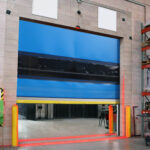
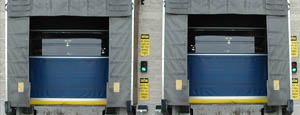
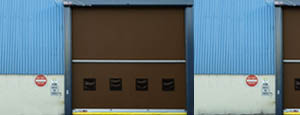
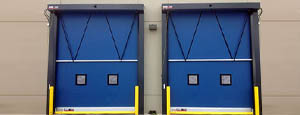
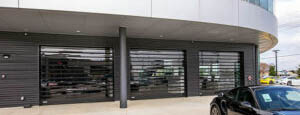
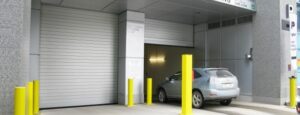
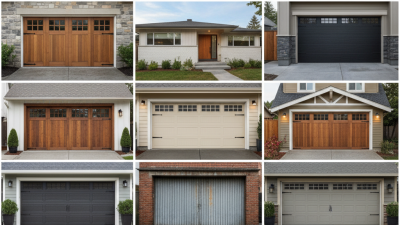
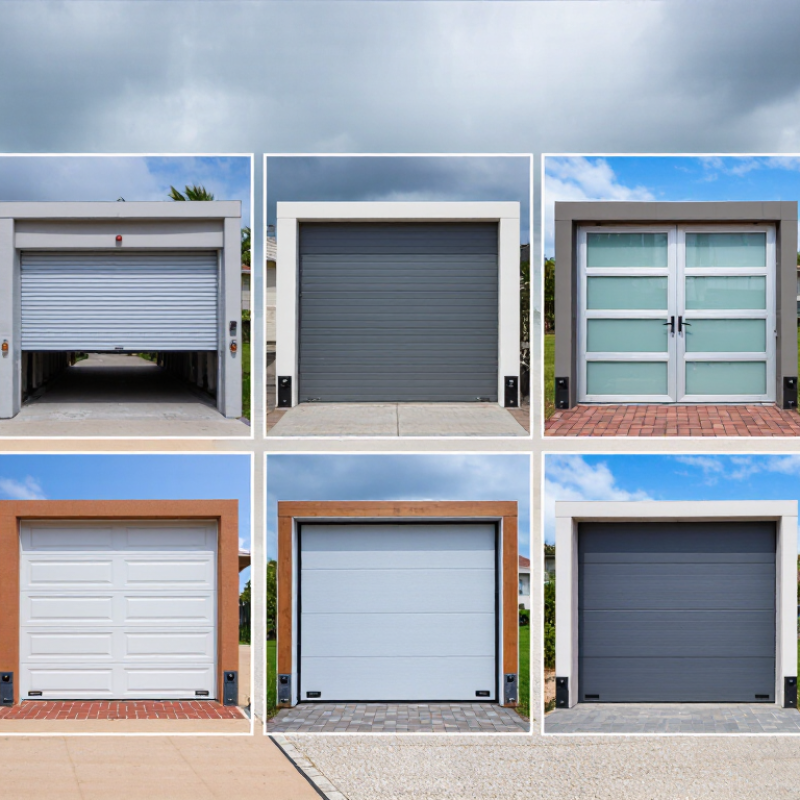
Hurricane impact garage doors come in several designs, and each handles wind differently. Reinforced steel sectional doors offer strong panels and dependable daily use. Insulated steel sectional doors add energy efficiency and reduce outdoor noise. Aluminum sectional doors resist corrosion near coastal air. Impact-rated rolling doors save ceiling space and close tightly. Rolling sheet doors provide a simpler, practical structure. Full-view aluminum doors use laminated impact glazing for natural light. Reinforced carriage-house doors deliver a traditional appearance with stronger hardware. Vertical-lift doors suit garages with limited side clearance. Side-sliding doors work well when overhead tracks are difficult to install. Custom wind-rated doors can match unusual openings or special building requirements.

Experienced installers usually check the entire system, not only the door panel. Tracks, hinges, rollers, brackets, and the connection between the frame and wall all matter. A heavier door is not automatically safer. Tested wind-load performance is more important than appearance or weight. Ratings also depend on the opening size and local exposure conditions. I would not choose based on photographs alone. Installation mistakes can weaken a well-designed product.

Tips: Ask for documented wind-load testing. Confirm the rating for your exact opening. Inspect fasteners for corrosion each year. Keep tracks clean and aligned. Replace damaged seals promptly. A local qualified installer should verify the wall structure before installation.

How Hurricane Impact Garage Doors Are Tested and Rated

Hurricane impact garage doors are tested for more than strong wind. Testing usually includes windborne debris, air pressure, water infiltration, and repeated pressure cycles. A heavy missile may strike the door’s surface, while smaller debris tests exposed windows and joints. The door must remain attached and protect the garage opening.

Ratings depend on the complete system, not only the door panel. Testers examine tracks, hinges, rollers, fasteners, glazing, and the surrounding wall. Pressure ratings are often listed in pounds per square foot, or PSF. A higher number generally indicates greater resistance, but it does not guarantee proper performance after poor installation. Door size also matters. A wider opening can experience more flexing under identical wind pressure.

Tips: Read the product label and request the full test report. Check the approved pressure rating for your local wind zone. Confirm that the garage framing matches the tested installation. Inspect seals, tracks, and fasteners before storm season. A field adjustment may seem minor, but it can change the door’s behavior. Replacement windows may also weaken the tested assembly. This detail is easy to miss. Different door styles, including sectional, rolling, and custom overhead designs, can meet impact standards when tested as complete systems. Still, paperwork alone is not enough; installation quality remains the part people often underestimate.

Top 10 Types of Hurricane Impact Garage Doors? - How Hurricane Impact Garage Doors Are Tested and Rated

No. Garage Door Type Typical Construction and Use Impact-Resistance Features Common Testing References How It Is Rated Important Limitation
1 Insulated Sectional Overhead Door Hinged horizontal panels that travel on tracks and are commonly used for residential garages and attached garages. Reinforced steel or aluminum panels, impact-resistant glazing, strengthened hinges, end stiles, rollers, tracks, and wind-load bracing. Missile impact and pressure cycling may be evaluated under ASTM E1886 and ASTM E1996. Structural performance may also be checked using ASTM E330 or a project-approved equivalent. A tested assembly is assigned a positive and negative design pressure, normally expressed in psf, for a defined door size and installation condition. The panels alone are not sufficient; tracks, anchors, brackets, hardware, and the surrounding wall must match the approved assembly.
2 Non-Insulated Sectional Steel Door Single-skin or lightly insulated sectional panels used where thermal performance is less important than cost, ventilation, or basic enclosure. Heavy-gauge panels, reinforced stiles, upgraded hinges, wind-load struts, and impact-rated vision sections where specified. ASTM E1886 and ASTM E1996 are commonly referenced for windborne-debris impact and cyclic pressure performance; local building-code approval may also apply. The rating is based on the complete door system and its allowable design pressure, not simply on the thickness of the steel skin. Lower thermal insulation and more metal-to-metal contact can increase noise and corrosion-maintenance requirements.
3 Vertical-Lift Sectional Door Sectional panels rise vertically above the opening rather than turning horizontally along a low overhead track; common in taller commercial or residential garages. Reinforced panels, heavy-duty vertical tracks, structural brackets, stronger rollers, and wind-lock or anti-drop hardware where required. Impact and cyclic pressure testing can follow ASTM E1886 and ASTM E1996, while structural pressure testing may use ASTM E330 or an approved jurisdictional method. Performance is documented for the specified height, width, track arrangement, anchorage, and positive and negative design pressures. The taller travel path and larger hardware package require careful anchorage to the building structure.
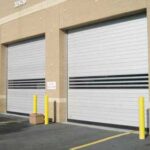
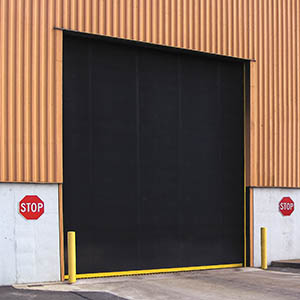
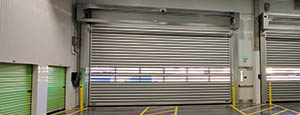
4 Rolling Steel Garage Door Interlocking steel slats roll into a barrel above the opening and are widely used in commercial, storage, utility, and service garages. Wind-resistant slats, reinforced guides, end locks, stronger brackets, and a protected curtain designed to resist pressure and debris penetration. Depending on the approval route, testing may include ASTM E1886, ASTM E1996, ASTM E330, and regional protocols such as TAS 201, TAS 202, and TAS 203. The listed rating normally identifies allowable positive and negative pressure for the curtain, guides, barrel, brackets, and anchorage as one system. A rolling door can protect against wind and debris only when its guides and mounting supports are properly attached to structural framing.
5 Rolling Sheet or Service Door A compact roll-up curtain made from formed steel or aluminum sheets, often selected for smaller service openings and limited headroom. Interlocking curtain profiles, wind-load end locks, reinforced guides, and heavier brackets can be incorporated into an impact-rated design. The applicable approval may reference ASTM E1886 and ASTM E1996, or a local high-wind testing protocol such as TAS 201–203. Ratings are limited to the tested curtain size, guide configuration, mounting surface, and stated design pressure. Compact construction does not automatically mean debris impact approval; many standard service doors are wind-rated only or unrated.
6 One-Piece Tilt-Up Door A single rigid slab pivots outward and upward; it is more common in older residential garages and special-purpose openings. A reinforced slab, perimeter frame, stronger pivot hardware, positive locking points, and impact-resistant glazing may be used. Where approved, the complete assembly may undergo missile impact and cyclic pressure testing under ASTM E1886 and ASTM E1996 or a recognized local equivalent. The design pressure rating applies to the slab, pivots, locks, frame, and attachment details for a specific opening size. The outward swing requires clear space and can create significant hinge and frame loads during high wind.
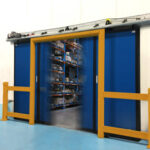
7 Side-Sliding Sectional Door Sectional panels move sideways along a wall or ceiling track, useful where overhead clearance is limited or the ceiling is obstructed. Reinforced panels, side guides, locking points, track supports, and impact-resistant sections can be engineered for high-wind applications. The assembly may be tested for debris impact and pressure cycling under ASTM E1886 and ASTM E1996, with structural testing or local approval as required. The rating must account for the door's closed position, side retention, track anchorage, and positive and negative pressure. Side retention and wall anchorage are especially important because the door stores along one side of the opening.
8 Full-View Impact-Rated Garage Door A sectional or folding system with large glazing panels, commonly selected for garages, workshops, retail areas, and spaces needing daylight. Laminated impact glazing, reinforced frames, structural mullions, upgraded hinges, and securely retained glazing beads. Glazing and the complete door assembly may be evaluated under ASTM E1886 and ASTM E1996; air and water tests may reference ASTM E283 and ASTM E331 when required. The approval must cover both the transparent infill and the supporting frame at the specified design pressure and impact level. Replacing approved glazing, beads, or fasteners with non-approved components can invalidate the tested performance.
9 Folding or Bi-Fold Impact Door Two or more hinged leaves fold toward one or both sides and are used for wide openings, specialty garages, and spaces requiring a large clear opening. Reinforced leaves, heavy-duty hinges, top and bottom guides, multi-point locks, impact-resistant panels, and stronger perimeter frames. Testing may use ASTM E1886 and ASTM E1996 or regional high-velocity-hurricane protocols, with structural and water-infiltration tests where specified. The rating is tied to the number and width of leaves, hinge layout, locking points, frame, threshold, and installation anchorage. Wide folding leaves can generate substantial concentrated loads at hinges and locking points during pressure cycling.
10 Oversized Custom Impact-Rated Door A specially engineered sectional, rolling, tilt-up, or folding door for unusually wide, tall, or irregular garage openings. Custom structural reinforcement, additional wind-load struts, heavier tracks or guides, upgraded anchorage, and impact-rated infill selected for the opening. The testing route depends on the configuration and jurisdiction and may include ASTM E1886, ASTM E1996, ASTM E330, TAS 201–203, or an approved engineering analysis. Ratings are highly size-specific; a tested standard-size door rating cannot automatically be applied to a larger custom opening. Oversized openings may require project-specific calculations, structural framing upgrades, and inspection of the building connection.
Rating note: A hurricane impact rating belongs to a complete tested and approved assembly. The result depends on door size, impact level, positive and negative design pressure, tracks or guides, fasteners, framing, glazing, locks, and installation details. ASTM E1886 generally addresses missile impact and pressure cycling, while ASTM E1996 defines windborne-debris missile classifications and impact requirements. Local building authorities may require additional regional testing or product approval.

Key Materials, Designs, and Protection Features

Top 10 Types of Hurricane Impact Garage Doors

Hurricane impact garage doors differ through materials, designs, and protection features. Reinforced steel sectional doors provide strong resistance and dependable daily operation. Aluminum sectional doors weigh less and resist coastal corrosion, but they need careful frame reinforcement. Fiberglass doors offer a lighter alternative with useful moisture resistance. Composite wood-look doors add warmth without the swelling common in untreated wood. Rolling steel doors save ceiling space and use interlocking slats for added strength.

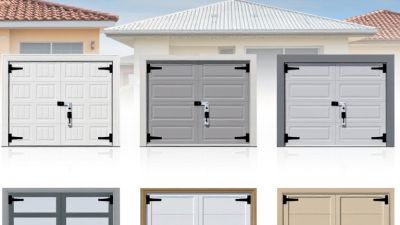
Other options include impact-rated full-view doors, insulated sandwich-panel doors, side-sliding doors, custom carriage-style doors, and compact rolling shutters. Full-view designs use laminated impact glazing, while insulated panels reduce heat transfer and noise. Side-sliding systems can help when overhead tracks are impractical. Carriage-style designs provide traditional character, but hinges and locking points require close inspection. Compact shutters suit smaller openings. They are not ideal for every garage.

Protection depends on more than the door panel. Look for reinforced tracks, heavy-duty rollers, wind-rated hinges, bottom seals, and multiple locking points. Laminated glass should remain bonded after impact. Strong anchors must connect the tracks to sound framing, not weak trim. In coastal areas, corrosion-resistant fasteners matter greatly. I have seen impressive doors underperform because installers ignored the surrounding wall.

Check local wind requirements and verified test documentation before buying. Ask how the door performs after repeated cycles, not only during one laboratory impact. Backup operation also matters during power failures. No design is perfect. Installation quality can still become the weakest link.

Top 10 Types of Hurricane-Impact Garage Doors

The chart compares typical hurricane-protection capabilities by door type. Scores use a 1–5 comparative index based on impact resistance, wind-load reinforcement, and water or air control. Actual performance depends on tested assembly ratings, installation quality, and local building-code requirements.

Higher scores indicate stronger typical design features; the index is not a product certification or a substitute for a tested wind-load rating.

How to Choose the Right Hurricane Garage Door for Your Home

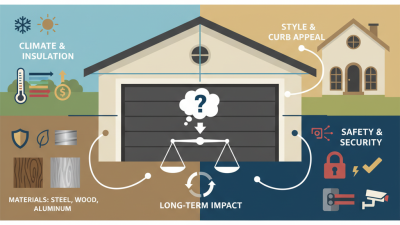
Choosing a hurricane garage door starts with your home’s actual exposure, not its appearance. Coastal houses face salt air, flying debris, strong gusts, and repeated moisture. Reinforced sectional doors, rolling doors, and impact-rated panel systems offer different levels of protection. A door with a tested wind-load rating should match your local requirements and the garage opening’s size.

Measure carefully.

A wider opening usually needs stronger reinforcement and more precise installation. Check the door’s wind rating, track design, hinges, locking points, and connection hardware. Impact-resistant windows can improve daylight, but they should have verified debris resistance. Avoid assuming that a heavy door is automatically safer. Performance depends on the complete system, including the frame and wall attachments.

Ask a qualified installer to inspect the surrounding structure. Masonry walls, light-framed walls, and older homes may require different fastening methods. Request documentation for pressure testing and installation requirements. Local building officials can confirm the applicable wind zone and permit rules. In practice, small gaps around the bottom seal often become obvious during heavy rain. Maintenance matters too: clean the tracks, inspect corrosion, and test the manual release before storm season.

A higher rating is not always the best choice. It may increase cost without solving a weak wall or damaged track. Budget for professional installation, but leave room for repairs. Even careful planning can miss one detail, especially in older garages. Recheck the system every year.