
- High-Performance Doors
-
- Applications
-
-
-
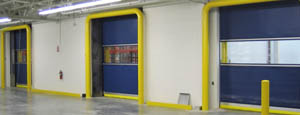
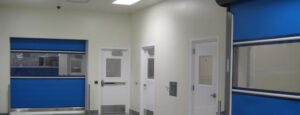
- Clean Room
Stainless steel or composite materials help maintain clean rooms.
-
-
- Coolers
Quick opening speeds & tight seals for temperature control.
-
-
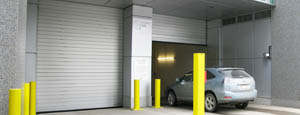
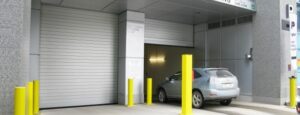
- Parking
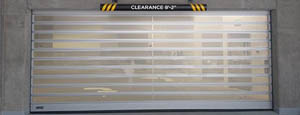
Improve security & traffic flow and enhance architectural style.
-
-
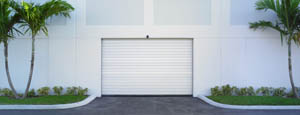
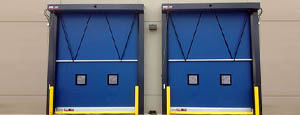
- Hurricane Zone
Withstand winds up to 175 mph and comply with the Florida Building Code.
-
-
-
-
- USDA / FDA / cGMP
Increase productivity & address stringent USDA, FDA & cGMP requirements.
-
-
- Freezers
High-speed & perimeter seals minimize the air exchange between areas.
-
-
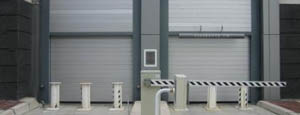
- Security
High speed & durability ensure secure access.
-
-
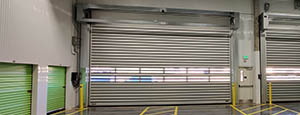
- Ventilation
Perforated or screen door panels allow improved air circulation.
-
-
-
-
- Fire Station Emergency Response
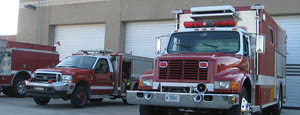
When time is of the essence, high speed and reliability are crucial.
-
-
- Warehousing
Fast cycle times and secure seals keep environments separated.
-
-
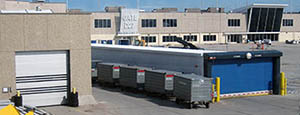
- Loading Dock
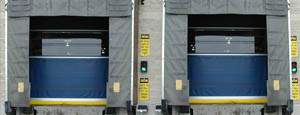
Rugged design & secure seal for oversized openings.
-
-
- Large Openings
Break-away functionality with rugged design seals oversized openings.
-
-
-
-
- Heavy Equipment
Withstands challenges of heavy equipment and fleet truck/car wash environments.
-
-
- Self-Storage
Fast opening speeds and reliable, durable construction keep facilities secure and protected.
-
-
- Industries
-
-
-
- Automotive Dealerships
Reduce energy costs, increase productivity and comfort and enhance customer perception.
-
-
- Cold Storage & Processing
Increase productivity and operational efficiency while reducing energy and maintenance costs.
-
-
- Parking
We offer solutions for Apartment / Condo & Loft, Standalone Parking Facilities and Office Buildings
-
-
-
-
- Food & Beverage
Doors specifically engineered for USDA/FDA and cGMP environments, and assured compliance for uncompromising performance.
-
-
- Mfg/Dist/Warehousing
A complete product line allows facilities to increase efficiency and safety and reduce maintenance and energy costs.
-
-
- Government
Ensure effective security and environmental controls are maintained for critical government operations.
-
-
-
-
- Transit
Keep operations running smoothly and efficient while reducing energy and maintenance costs.
-
-
- Pharma, Nutraceutical & Biotech
Doors that offer quick, secure access, environmental control and reliability for life science facilities.
-
-
- Support Resources
- Parts
- Contact Us
- Blog/News
- Why Rytec
- Sales Rep Locator
- Careers
- Dealers
- Architectural Resources









7 Best Hurricane Rated Garage Doors for 2026?
A hurricane-rated garage door is more than a heavier panel. It is a tested part of your home’s wind-resistant envelope. NOAA’s National Hurricane Center reported that Hurricane Ian made landfall in southwest Florida in 2022 with maximum sustained winds of 150 mph. That figure shows why wind ratings and installation details matter.
FEMA’s P-804 Wind Retrofit Guide for Residential Buildings identifies garage doors as vulnerable during high winds. If a door fails, wind can enter the garage and increase pressure inside the house. The result may place additional stress on walls and the roof. A rating is not a guarantee against every storm, though. Site exposure, opening size, tracks, fasteners, and installation all affect real-world performance.
This guide compares seven options for 2026, with attention to tested wind pressure, debris-impact performance, construction, and available documentation. Look for product approvals or test evidence tied to recognized standards, such as ASTM E1886 and E1996 for impact and cyclic-pressure testing. Confirm that the model and dimensions match your opening; a test result for one configuration may not cover another. Also check local building requirements and ask the installer how tracks and anchors will be secured. Details matter.
The label alone is not enough. Some product pages make ratings sound simpler than they are. Use this list as a starting point, then verify the paperwork and installation plan before buying.
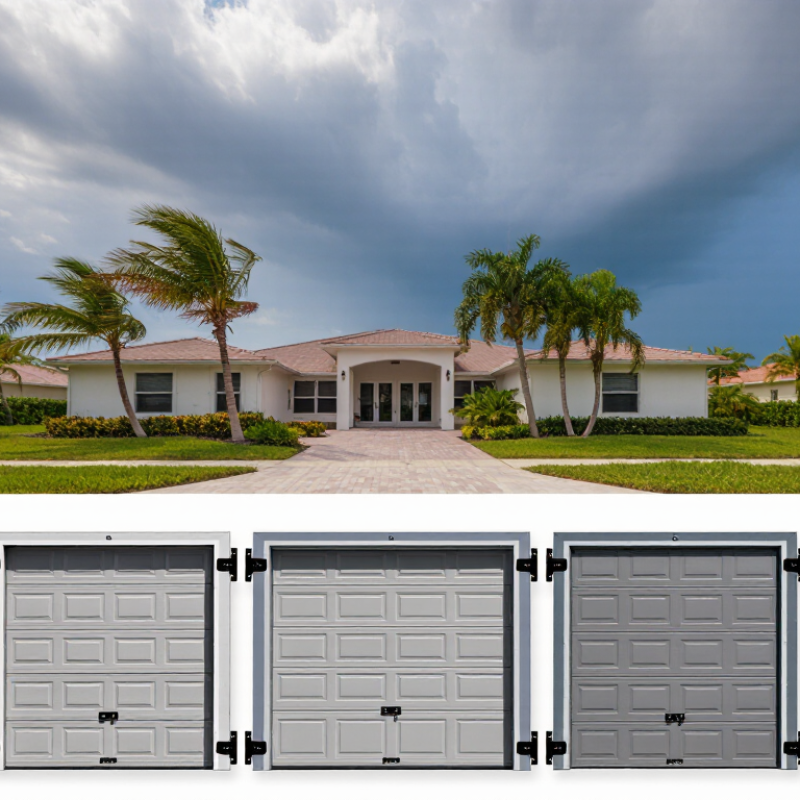
Table of Contents
[Hide]
Understanding Hurricane-Rated Garage Doors
Understanding Hurricane-Rated Garage Doors
A hurricane-rated garage door is designed to resist specified wind pressures and, in some cases, flying-debris impacts. “Rated” does not mean storm-proof. The actual protection depends on the door’s tested configuration, opening size, and installation. Check the product’s engineering documents for its design pressure and impact rating, rather than judging strength by panel thickness or weight alone. That detail matters.
The door is only one part of the opening. Tracks, hinges, fasteners, and wall anchors must also match the design requirements. A strong panel with weak anchors can still fail under pressure. Small gaps count. Ask a qualified installer to confirm that the proposed system fits your garage opening and local building requirements. Keep the paperwork; it helps verify what was installed.
During an assessment, look for bent tracks, loose brackets, worn rollers, and cracked masonry around anchor points. These details are easy to overlook, especially on an older home. I would not assume an existing door is adequately protected just because it has survived past storms. Conditions differ, and previous survival proves little. A professional inspection can identify whether the whole assembly needs replacement or whether specific components need attention.
7 Best Hurricane Rated Garage Doors for 2026? - Understanding Hurricane-Rated Garage Doors
| Door Type or Selection | Key Construction or Feature | What to Verify | Good Fit For | Important Consideration |
|---|---|---|---|---|
| Wind-load-rated sectional steel door | Sectional door assembly designed and tested to resist specified wind pressure. | Documentation for the exact door size, model configuration, design pressure, tracks, and installation details. ANSI/DASMA 108 is a recognized garage-door wind-load test standard. | Homes seeking a documented wind-load-rated replacement door. | A door’s allowable pressure depends on its tested configuration and size; a rating should not be assumed from appearance or material alone. |
| Impact-rated garage door | Door assembly tested for specified windborne-debris impact requirements, where applicable. | Applicable approval and test documentation for the complete assembly, including the door size and any glazed sections. | Locations where local code or project specifications require debris-impact protection. | Impact resistance and wind-pressure capacity are related but distinct performance requirements. Confirm both when both are required. |
| Reinforced sectional door with wind-load struts | Horizontal reinforcement members help the tested door system resist pressure-induced bending. | Whether the reinforcement layout, strut attachment, door size, and track configuration match the approved or tested design. | Projects where the selected approved assembly uses reinforcement struts. | Adding struts in the field does not automatically give an unapproved door a hurricane rating. |
| Wind-load-rated rolling steel door | Roll-up curtain and supporting guides are designed as a system for specified wind loads. | Approved design pressures, opening dimensions, guides, fasteners, and installation requirements for the selected assembly. | Garages or service openings where a rolling-door format is suitable. | Performance varies by curtain and guide configuration; confirm the documentation covers the actual opening. |
| Door with approved track and anchorage package | Door, tracks, brackets, and connections are evaluated as parts of a complete installed system. | Required fastener type, spacing, substrate, and anchorage details in the approval or installation instructions. | Replacement projects where the existing opening or framing may affect installation. | A rated door can be compromised if it is installed with different anchors, spacing, or supporting construction than specified. |
| Insulated wind-load-rated door | Insulated door construction combined with a documented wind-load design. | Wind-load approval for the exact insulated panel and door configuration, not just the insulation specification. | Owners who also want improved thermal performance or a more substantial panel construction. | Insulation does not, by itself, establish wind-load or impact performance. |
| Oversized or custom opening door | Door designed or selected for a nonstandard width, height, or site-specific pressure requirement. | Written confirmation that the approval or engineering covers the opening dimensions and required site design pressures. | Wide, tall, or otherwise nonstandard garage openings. | Do not extrapolate a rating from a smaller standard-size door; custom openings may require project-specific engineering. |
Selection note: There is no single hurricane rating suitable for every property. Required wind pressures depend on the site and building conditions, so use the project-specific design criteria and check applicable local code. In Florida, confirm that the exact assembly has applicable Florida Product Approval or Miami-Dade approval where required. Review the approval documents and installation instructions before purchase.
Related Posts
-
7 Best Hurricane Proof Garage Doors for 2026?
-
Top 10 Best Hurricane Garage Doors for Global Buyers
-
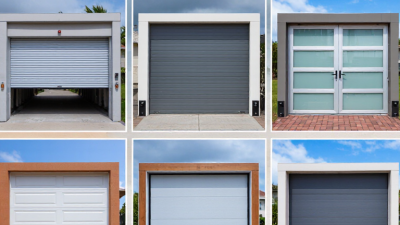
Top 10 Types of Hurricane Impact Garage Doors?
-
How to Choose China Best Hurricane Garage Doors?
-
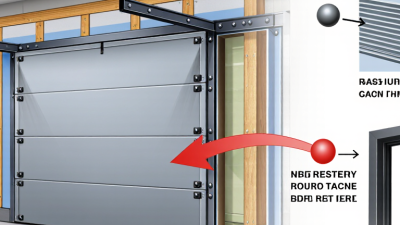
What Is the Best Hurricane Rated Garage Door in 2026?
-
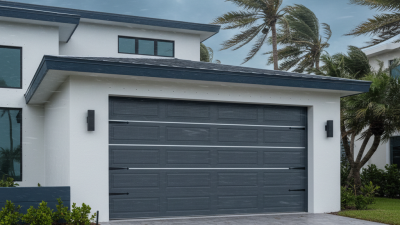
Top 10 Tips for Choosing a Hurricane Rated Garage Door for Your Home