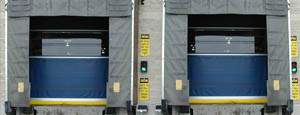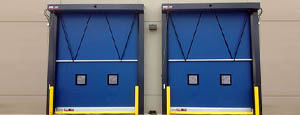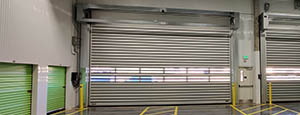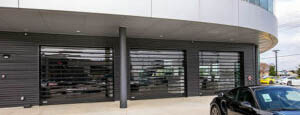
What Are the Top 10 High Speed Doors for Warehouses?

Warehouses run on movement: forklifts cross busy lanes, pallets approach loading bays, and temperature-controlled rooms must hold their conditions. In these settings, high speed doors can help manage traffic, limit exposure between spaces, and support safer workflows. But speed alone does not make a door the right choice.

MHI’s 2024 Annual Industry Report highlights continued investment in supply-chain innovation, reflecting pressure on facilities to improve operations. It is not a door-performance study, so it cannot prove that any specific model will deliver savings. That distinction matters. Actual results depend on opening cycles, building layout, climate, maintenance, and the way staff use each entrance. A door that works well at a distribution-center dock may be a poor fit for a washdown area.

This guide compares ten high speed doors for warehouse use, focusing on practical differences: operating speed, construction, safety features, insulation, and service needs. Product specifications should be checked against manufacturers’ current documentation, and site requirements should be confirmed with a qualified installer. Small details count. A narrow aisle, a dusty opening, or a frequently struck track can change the decision. No single option fits every warehouse; even a strong shortlist needs a second look against real operating conditions.
What Are the Top 10 High Speed Doors for Warehouses?

How High-Speed Doors Support Warehouse Operations

What Are the Top 10 High Speed Doors for Warehouses?

How High-Speed Doors Support Warehouse Operations

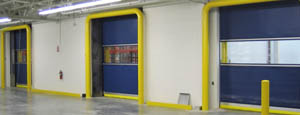
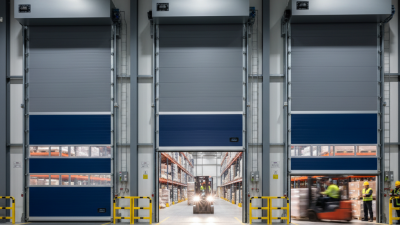
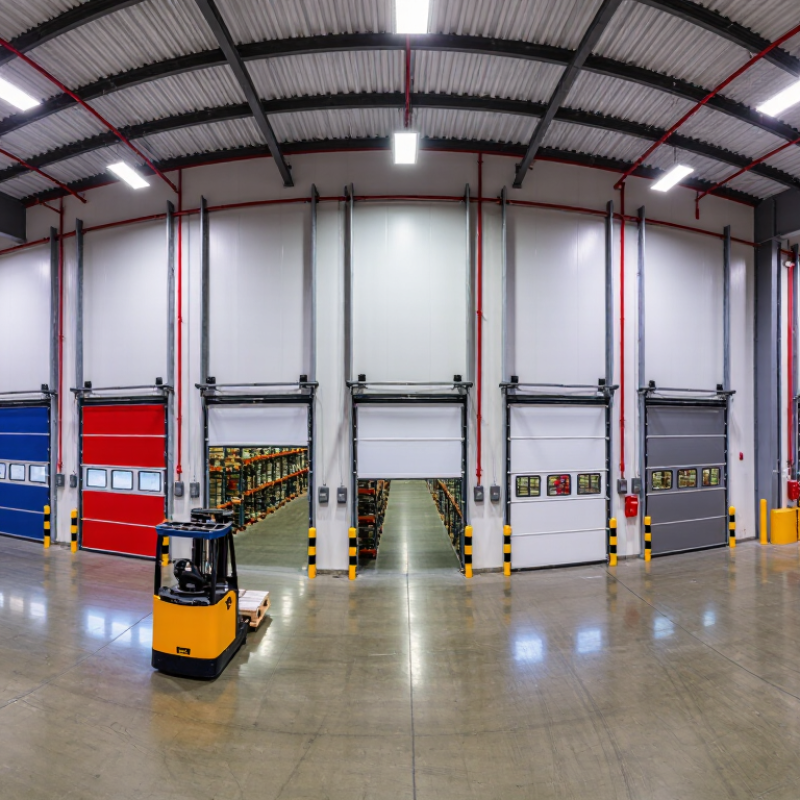
In a busy warehouse, a high-speed door does more than separate two rooms. It helps keep forklifts moving, limits drafts, and reduces the time an opening stays exposed. When pallets arrive every few minutes, quicker opening and closing can ease traffic delays. That matters near chilled storage, dusty work areas, or loading bays where outdoor air affects comfort and handling. Clear vision panels and safety sensors help operators spot people or equipment on the other side. Small details count.

Door choice should follow actual traffic, not a catalog speed claim. Measure the opening, daily cycles, cleaning needs, and the direction forklifts approach. A flexible curtain may suit an interior route, while an insulated or more rigid design may fit a temperature-controlled boundary. Routine checks of tracks, sensors, seals, and emergency operation can catch wear before a door becomes a bottleneck. Still, speed is not a cure-all. Layout and staff habits can matter just as much, a point that is easy to overlook. Review waiting points after installation and adjust settings or traffic flow when needed.

Types of High-Speed Doors and How They Differ

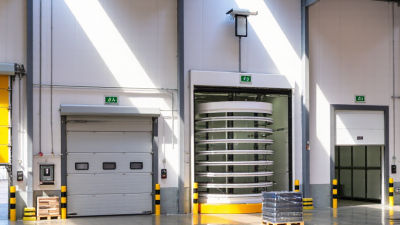
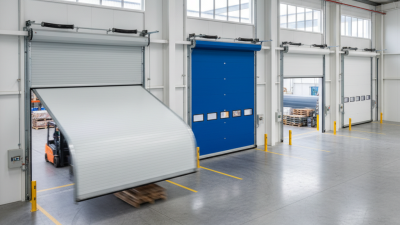
High-speed warehouse doors differ in curtain material, opening speed, insulation, and resistance to impact. Flexible fabric roll-up doors suit busy interior openings. Their lightweight curtains can yield when struck, reducing damage, but they offer less insulation than rigid designs. Rigid-panel and spiral doors provide sturdier barriers and may better suit exposed or temperature-controlled openings. Spiral designs guide panels into a compact coil, while fabric doors fold or roll above the opening. The best fit depends on traffic, room temperature, and available clearance.

These differences matter because every open door can exchange conditioned air with the warehouse. The International Energy Agency’s Energy Efficiency 2023 report estimates that buildings account for about 30% of global final energy consumption. That figure is not specific to warehouses, but it underscores why limiting avoidable heat gain or loss matters. Compare tested opening speed, sealing, insulation, and cycle rating—not speed alone. A fast door with poor side seals may disappoint. Real sites are messier than product tables suggest.

Tips: Match the door to the opening’s actual use. A forklift lane may need impact recovery; a freezer entrance needs tight seals and a suitable insulated curtain. Check opening dimensions, cycle frequency, and service access before specifying. If traffic patterns change seasonally, reassess the choice.

What Are the Top 10 High-Speed Doors for Warehouses? — Types of High-Speed Doors and How They Differ
No. Door Type Typical Opening Speed How It Differs Common Warehouse Uses Key Considerations
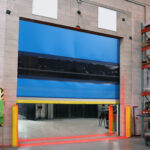
1 Flexible Fabric Roll-Up Door About 0.8–2.0 m/s A flexible curtain rolls onto a compact barrel; many versions use a soft bottom edge and automatic reset after impact. Busy interior aisles, production areas, and openings between warehouse zones. Compact and fast; curtain material and wind resistance should suit the opening and traffic conditions.
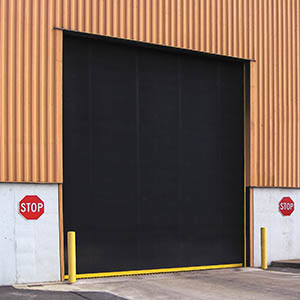
2 Reinforced Exterior Fabric Door About 0.8–1.5 m/s A roll-up fabric design with reinforced curtain sections and guides intended for more demanding exterior exposure. Loading areas and exterior openings where frequent cycling and weather separation are needed. Wind rating, curtain reinforcement, and the building’s pressure conditions are important selection factors.
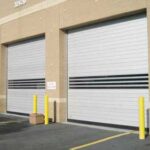
3 Rigid-Panel Spiral Door About 0.8–2.5 m/s Insulated rigid slats travel in a spiral track rather than wrapping tightly around a barrel. Exterior entrances and high-cycle openings needing a more rigid door curtain. Typically needs more headroom and has a higher initial cost than a basic fabric roll-up door.
4 High-Speed Insulated Sectional Door About 0.5–1.0 m/s Insulated hinged panels move along overhead tracks, combining sectional-door construction with faster operation. Temperature-controlled warehouse zones and exterior openings where insulation matters. Panel insulation and perimeter seals help limit heat transfer, but operation is generally slower than flexible roll-up designs.
5 High-Speed Folding Fabric Door About 0.5–1.5 m/s A flexible curtain gathers or folds vertically, often with horizontal reinforcement bars. Large or tall warehouse openings, including areas exposed to airflow or wind. Can suit wide openings; check available side space, wind conditions, and the required cycle frequency.
6 Freezer High-Speed Door About 0.5–2.0 m/s A rapid-cycle door designed for cold environments; configurations may include insulated curtains, heated components, or airflow management. Cold rooms, freezer rooms, and transitions between refrigerated and ambient spaces. Condensation, icing, temperature range, and compatibility with the room’s refrigeration system need to be addressed.
7 Cleanroom High-Speed Roll-Up Door About 0.8–2.0 m/s A rapid roll-up design configured with smooth, cleanable surfaces and sealing suited to controlled environments. Clean production areas, packaging rooms, and controlled warehouse zones. Material compatibility, cleanability, and the required pressure or air-leakage control should guide specification.
8 High-Speed Rubber Door About 0.5–1.5 m/s Uses a durable, flexible rubber curtain designed to withstand repeated contact or impact in demanding traffic areas. Forklift routes, industrial work areas, and openings where accidental contact is a concern. Useful in rugged settings; confirm curtain weight, impact behavior, and maintenance requirements.
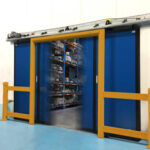
9 High-Speed Sliding Door About 0.5–1.2 m/s One or more door leaves slide horizontally rather than rolling or folding overhead. Wide openings, specialized process areas, and sites where overhead clearance is limited. Needs clear space beside the opening for the leaves and suitable protection around pedestrian and vehicle traffic.
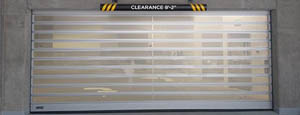
10 High-Speed Security Grille About 0.5–1.0 m/s Interlocking or linked metal elements form a grille that opens vertically while allowing visibility and airflow. Internal storage areas, secured warehouse zones, and openings where airflow or visibility is useful. Provides a different balance of security and openness than a solid insulated door; it offers limited thermal separation.
Note: The speed ranges are approximate examples, not universal ratings. Actual opening speed, dimensions, wind performance, insulation, safety features, and available configurations vary by door design and installation.

The Top 10 High-Speed Doors for Warehouses

Warehouse door selection depends on traffic, temperature, opening size, and available space. The ten high-speed options worth comparing are fabric roll-up, rigid-panel, spiral, folding, rubber, freezer, cleanroom, wind-resistant, security-grille, and conveyor-area doors. Each serves a different operating condition.

Fabric roll-up doors suit busy interior routes, where flexible curtains open quickly and recover from minor contact. Rigid-panel and spiral doors offer firmer closures, but need more overhead clearance. Folding models can cover wide openings; rubber designs tolerate rougher handling. Fit matters. Freezer doors help limit cold-air loss, while cleanroom versions use smooth surfaces that are easier to wipe down. Wind-resistant models suit exposed loading bays. Security grilles allow airflow and visibility, though they provide less insulation. Conveyor-area doors can reduce drafts around automated material flow.

Measure the opening and observe actual traffic before choosing. A door that cycles rapidly may still slow work if sensors trigger constantly or forklifts approach at awkward angles. Check the control system, safety sensors, seals, and repair access—not just the advertised speed. Maintenance needs can also differ more than expected. Dust, ice, and repeated impacts may change performance, and site conditions are easy to underestimate. A short on-site assessment can reveal whether fast opening, temperature control, or impact recovery matters most.

Comparing Door Performance, Safety, and Maintenance

A useful comparison of ten high-speed warehouse door options starts with the work each opening must handle. Fabric roll-up doors often suit frequent traffic and limited headroom. Rigid-panel designs can offer greater resistance to impacts, but may need more space and careful alignment. For busy forklift lanes, opening speed matters; so do recovery after a collision and reliable sensing. Small details matter. A fast door that stays open too long can still waste conditioned air.

Safety and maintenance deserve equal weight. Look for clear photo-eye coverage, accessible emergency controls, and a bottom edge that stops or reverses when obstructed. Ask how technicians inspect the guides, seals, and drive system, and whether routine checks can happen without disrupting a shift. Dust, moisture, and repeated impacts change performance over time. A ranking can mislead: site layout, traffic patterns, and staff habits may matter more than a door’s advertised cycle speed. I would also compare service access before choosing; it is easy to overlook.

Tips: Observe one shift before selecting a model. Note forklift turns, pedestrian crossings, and washdown areas. Keep a simple log of faults and cycle interruptions; the pattern may reveal a poor fit.

How to Choose a High-Speed Door for Your Warehouse

Choosing a high-speed warehouse door starts with the opening, not the catalogue. Measure the clear width and height, then check the tallest load, forklift mirrors, and turning path. Count peak-hour crossings, including pedestrians. A door that cycles quickly but cannot handle the actual traffic pattern may create bottlenecks.

The U.S. Bureau of Labor Statistics’ 2022 Survey of Occupational Injuries and Illnesses reported 4.8 recordable cases per 100 full-time workers in warehousing and storage, compared with 2.7 across private industry.

These figures do not show that doors prevent injuries, but they underline why sightlines, presence sensors, and safe pedestrian routes deserve careful review.

Match the door’s cycle rating to observed use, and ask how the rating was tested. Check wind exposure, temperature differences, washdown needs, and whether the opening separates chilled zones. Measure at the opening. Compare the full opening-and-closing time, not just the advertised lift speed.

Request details on sensor coverage, emergency operation, breakaway recovery, and routine service access. A fast door with difficult resets can cost more in disruption than a slower, reliable one.

I would not choose by speed alone; it is an easy mistake. Real traffic counts are imperfect, too, so leave room for seasonal peaks.