What Are the Top High Speed Door Types in 2026?

High speed doors are no longer a niche choice for busy facilities. They help manage traffic, temperature, dust, and workflow across warehouses, food plants, and distribution centers. Grand View Research’s industrial doors market report tracks rising demand for faster, more efficient facility access. Its findings provide useful market context, though they do not establish one universal “best” door type. Actual performance depends on traffic volume, opening size, washdown needs, and the cost of downtime.

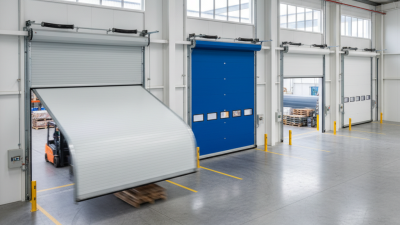
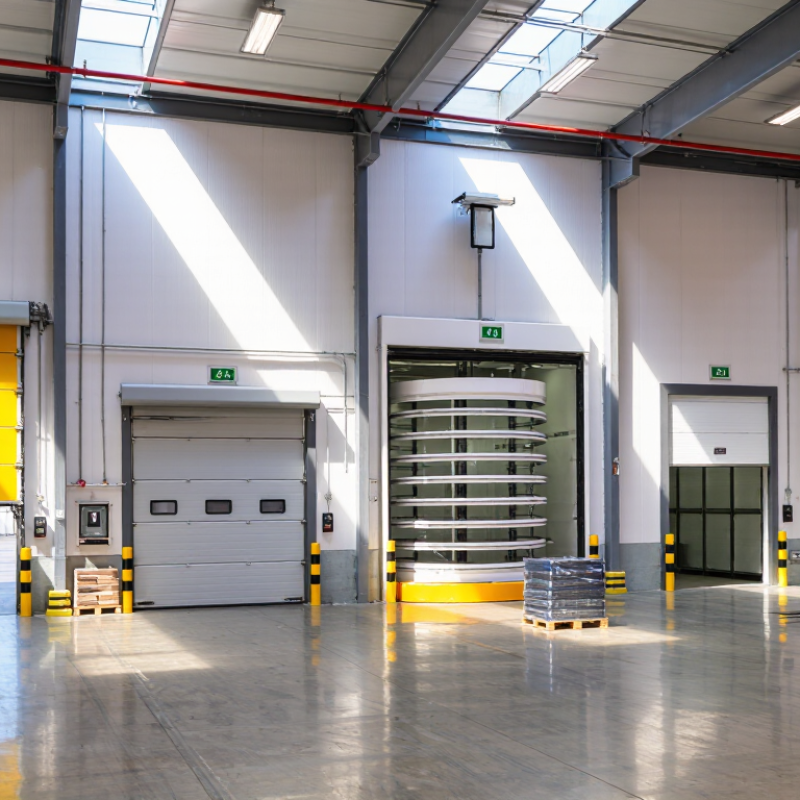
In 2026, the main options include fabric roll-up, rigid-panel, spiral, freezer, and self-repairing doors. Each suits a different working environment. A fabric door can reopen quickly after impact. A spiral model offers a sturdier curtain where forklifts move constantly. Freezer doors prioritize temperature control, while self-repairing designs can reduce interruptions after accidental contact. Small details matter: a cold-room seal, a clear vision panel, or a door that cycles reliably during a shift.

A careful comparison should weigh operating speed against maintenance, safety features, energy use, and service access. The fastest model is not automatically the right one. I cannot verify a named high-speed-door specialist’s exact quotation from the material provided, so I will not invent one. For a fully sourced article, add a quotation from a manufacturer engineer or facility operator and verify it against the original interview. That missing voice matters. It keeps this guide grounded in real operating experience, not just product claims.
What Are the Top High Speed Door Types in 2026?

High-Speed Roll-Up Doors for Frequent Traffic

What Are the Top High Speed Door Types in 2026?

High-Speed Roll-Up Doors for Frequent Traffic

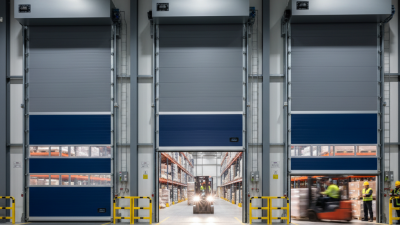
In busy warehouses, a roll-up door can open dozens of times during a single shift. Its flexible curtain coils above the opening, keeping forklift lanes clear and reducing the time vehicles wait at loading bays. The Door and Access Systems Manufacturers Association’s Technical Data Sheet 267 describes high-performance doors for rapid, frequent cycling and cites 100 cycles per day as a high-cycle reference point. That benchmark helps facility teams assess whether a standard door suits their traffic.

Look beyond opening speed. A useful specification includes cycle capacity, safety sensors, wind resistance, and access for repairs. For cold rooms, quick closure can limit warm, humid air entering each time a pallet moves through. For dusty production areas, a tight side guide may matter more than another few inches per second. Small details count.

Fast is not always better. If the door repeatedly stops because sensors detect pallets or debris, the promised speed means little. Observe a real shift: note queue lengths, opening frequency, and where the curtain takes impact. Traffic rarely follows a perfect schedule. Choose a roll-up system around actual use, then review maintenance records after installation.

High-Speed Folding Doors for Wide Openings

High-speed folding doors are designed for broad entrances where ordinary single-panel doors may be cumbersome. Their flexible sections fold upward, leaving useful clearance for forklifts, trucks, and tall equipment. In a busy distribution center, that can help keep traffic moving between indoor and outdoor work areas. The opening can be wide. The door still needs room to fold.

The right configuration depends on the building, not just the opening width. Measure the clear height, side space, and overhead structure before selecting a system. Wind exposure, temperature differences, and the number of daily cycles also matter. Reinforced curtains or rigid sections may suit demanding conditions, but heavier construction can affect operating needs. A site assessment is worth the time.

Safety and upkeep deserve equal attention. Look for presence sensors, a responsive lower edge, and controls that match how people use the doorway. Keep the travel path clear, and inspect folding points, guides, and safety devices on a regular schedule. Small alignment issues can become expensive interruptions. One detail is easy to overlook: a fast door cannot fix poor traffic flow, and the layout may need a second look.

Rigid High-Speed Doors for Durability and Insulation

Rigid High-Speed Doors for Durability and Insulation

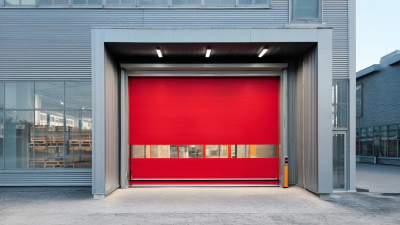
Among the top high-speed door types in 2026, rigid models suit busy openings that need both resilience and temperature control. Their interlocking slats or insulated panels form a firm curtain, helping limit drafts and heat transfer when closed. Fast operation can also reduce the time an opening stays exposed to outside air. That matters. In a warehouse, chilled room, or washdown area, fewer lingering openings can support steadier indoor conditions.

Tips: Check the panel insulation rating, perimeter seals, and guide design together. A well-insulated panel cannot compensate for worn seals or poor installation. Match the opening speed and duty cycle to actual traffic, not peak estimates alone.

Rigid doors can resist everyday bumps better than many flexible curtains, but they are not damage-proof. Forklift routes, wind pressure, and opening size all affect the right specification. Ask how the door responds after an impact and what inspection tasks are required. In practice, the “best” model is easy to overbuild; a door designed for a harsher environment may add cost without useful gains. Keep the surrounding wall and floor seals in view, too. A strong door helps, but the whole opening determines how well a facility retains heat or cool air.

What Are the Top High Speed Door Types in 2026? — Rigid High-Speed Doors for Durability and Insulation

Door Type Typical Operating Speed Durability Insulation and Sealing Common Applications Key Consideration
Rigid High-Speed Door Often around 1.0–2.5 m/s opening speed, depending on model and door size Rigid slats or panels provide a robust barrier and can suit frequent operation and exposed locations. Generally stronger thermal separation than a single-layer flexible curtain; performance depends on panel construction, perimeter seals, and installation. Exterior openings, logistics areas, manufacturing facilities, and temperature-controlled spaces Requires sufficient installation space and may have higher initial cost than simpler flexible doors.
Fabric Roll-Up Door Commonly around 0.8–2.0 m/s opening speed; specifications vary widely Flexible curtains can be practical for busy interior traffic. Some designs allow the curtain to reset after an impact. Usually provides limited insulation unless designed with insulated materials or additional sealing. Interior production areas, warehouse openings, and pedestrian or vehicle traffic routes Well suited to high cycle counts, but curtain material and wind resistance should match the opening conditions.
High-Speed Folding Door Often around 0.5–1.5 m/s opening speed, depending on size and configuration Reinforced flexible curtains and horizontal supports can suit large openings and demanding environments. Typically moderate; side and bottom seals and curtain construction affect air leakage and heat transfer. Large industrial openings, agricultural facilities, and areas with wind exposure Folding operation needs overhead clearance; large doors may operate more slowly than smaller models.
High-Speed Spiral Door Often around 1.0–2.5 m/s opening speed, depending on design and dimensions Rigid interlocking slats are suited to frequent use and can offer greater resistance to everyday impacts than a lightweight curtain. Insulation is generally better than that of a single-layer fabric door, but varies with slat design and sealing. Busy interior or exterior openings in commercial and industrial buildings Needs room for the spiral or coil assembly above the opening and may require more headroom.
High-Speed Freezer Door Frequently designed for rapid operation; actual speed depends on freezer conditions and door size Built for repeated cycles in cold environments; heating and anti-icing features may be available. Designed to reduce air exchange and temperature loss, often with insulated curtains or panels and heated components. Cold rooms, chilled production areas, and freezer-to-warehouse transitions Correct installation, seals, and condensation or frost control are essential for reliable operation.

Speed figures are indicative ranges, not guaranteed ratings. Actual performance, insulation, wind resistance, cycle life, and maintenance needs vary by door size, construction, operating conditions, and installation.

Cleanroom High-Speed Doors for Controlled Environments

What Are the Top High Speed Door Types in 2026?

Cleanroom High-Speed Doors for Controlled Environments

Cleanroom high-speed doors help manage traffic while limiting the time an opening remains exposed. Common options include smooth-curtain roll-up doors, zipper-edge doors, and rigid-panel models. The right choice depends on room classification, traffic volume, cleaning routines, and available space. ISO 14644-1:2015 sets a Class 5 limit of 3,520 particles per cubic metre at 0.5 micrometres or larger. That leaves little room for careless airflow management. A fast door helps, but it cannot replace sound pressure control or disciplined entry procedures.

Smooth, easy-to-clean surfaces matter. So do sealed edges, compatible materials, and controls that work with room interlocks. Zipper-edge curtains can be useful where accidental contact is likely; rigid panels may suit openings needing a more substantial barrier. Check how the door behaves during power loss and how easily staff can inspect or clean its tracks.

Small details matter. A poorly placed sensor can trigger unnecessary openings, while a door that cycles too slowly may disrupt busy transfer points. Monitor room pressure and door-cycle records after installation.

Still, data can miss the human factor: carts are sometimes left in the doorway, and procedures are not always followed. High-speed doors support contamination control; they do not guarantee it.

Freezer High-Speed Doors for Cold-Storage Facilities

Freezer high-speed doors help limit warm, humid air entering cold-storage rooms during frequent forklift traffic. Their flexible insulated panels open quickly, then close soon after passage. Cold air escapes fast. In a busy facility, that can support steadier room temperatures and reduce frost around doorways, though results depend on traffic, room layout, and door settings.

Look for features suited to the site: heated side guides and seals can help limit ice buildup, while presence sensors and safety edges support safe operation. A clear viewing panel helps operators spot approaching traffic. Small details matter. Measure the opening carefully, and consider pressure differences between connected rooms; they can affect how a panel moves. A common planning mistake is to focus only on opening speed. The door also needs to suit the freezer’s temperature, washdown routine, and daily cycle count. Inspect seals, sensors, and heaters regularly, since damaged parts or frost can disrupt reliable closing. No door removes the need for sound traffic planning, and maintenance schedules may need adjustment during colder months.

Top High-Speed Door Types for Cold-Storage Facilities in 2026

Indicative opening-speed ranges by door type (m/s). Actual performance varies by model, door size, controls, and operating conditions.

Freezer high-speed doors are designed for frequent cold-room traffic, helping limit the time an opening remains exposed. When choosing a door, consider insulation, cycle frequency, sealing, and opening speed together.