
- High-Performance Doors
-
- Applications
-
-
-
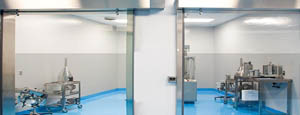
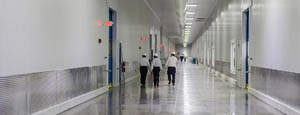
- Clean Room
Stainless steel or composite materials help maintain clean rooms.
-
-
- Coolers
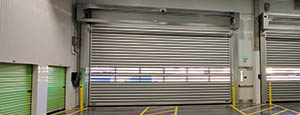
Quick opening speeds & tight seals for temperature control.
-
-
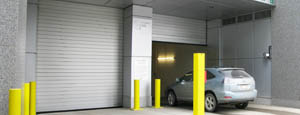
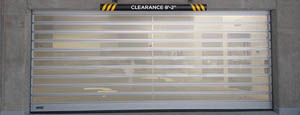
- Parking
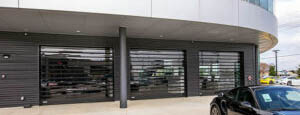
Improve security & traffic flow and enhance architectural style.
-
-
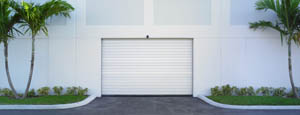
- Hurricane Zone
Withstand winds up to 175 mph and comply with the Florida Building Code.
-
-
-
-
- USDA / FDA / cGMP
Increase productivity & address stringent USDA, FDA & cGMP requirements.
-
-
- Freezers
High-speed & perimeter seals minimize the air exchange between areas.
-
-
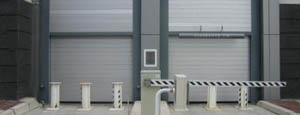
- Security
High speed & durability ensure secure access.
-
-
- Ventilation
Perforated or screen door panels allow improved air circulation.
-
-
-
-
- Fire Station Emergency Response
When time is of the essence, high speed and reliability are crucial.
-
-
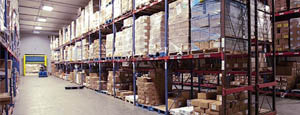
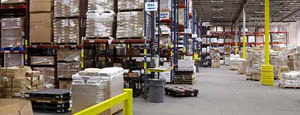
- Warehousing
Fast cycle times and secure seals keep environments separated.
-
-
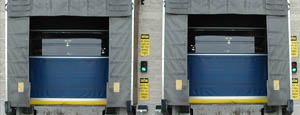
- Loading Dock
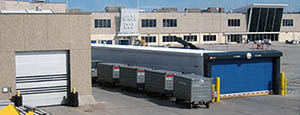
Rugged design & secure seal for oversized openings.
-
-
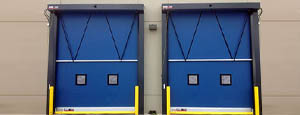
- Large Openings
Break-away functionality with rugged design seals oversized openings.
-
-
-
-
- Heavy Equipment
Withstands challenges of heavy equipment and fleet truck/car wash environments.
-
-
- Self-Storage
Fast opening speeds and reliable, durable construction keep facilities secure and protected.
-
-
- Industries
-
-
-
- Automotive Dealerships
Reduce energy costs, increase productivity and comfort and enhance customer perception.
-
-
- Cold Storage & Processing
Increase productivity and operational efficiency while reducing energy and maintenance costs.
-
-
- Parking
We offer solutions for Apartment / Condo & Loft, Standalone Parking Facilities and Office Buildings
-
-
-
-
- Food & Beverage
Doors specifically engineered for USDA/FDA and cGMP environments, and assured compliance for uncompromising performance.
-
-
- Mfg/Dist/Warehousing
A complete product line allows facilities to increase efficiency and safety and reduce maintenance and energy costs.
-
-
- Government
Ensure effective security and environmental controls are maintained for critical government operations.
-
-
-
-
- Transit
Keep operations running smoothly and efficient while reducing energy and maintenance costs.
-
-
- Pharma, Nutraceutical & Biotech
Doors that offer quick, secure access, environmental control and reliability for life science facilities.
-
-
- Support Resources
- Parts
- Contact Us
- Blog/News
- Why Rytec
- Sales Rep Locator
- Careers
- Dealers
- Architectural Resources







Top 10 High Speed Roll Up Doors for Global Buyers?
In the competitive landscape of industrial facilities, high speed roll up doors have emerged as vital components. These doors enhance operational efficiency and contribute to energy savings. According to a recent report from Freedonia Group, the demand for high speed roll up doors is expected to grow significantly, with an annual increase of 6% through 2026. This underscores their importance in streamlining workflows and reducing downtime.
Expert John Smith, a renowned authority in industrial door systems, emphasizes, "High speed roll up doors are not just an upgrade; they are a necessity for modern operations." His insights reflect a growing trend in industries, where quick access and environmental control are critical factors. High speed roll up doors not only provide swift entry and exit but also improve climate control and energy efficiency.
However, selecting the right high speed roll up door can be challenging. Buyers must consider factors such as durability, installation, and maintenance requirements. With varying quality and functionality in the market, it’s crucial to make informed decisions. Many businesses overlook these aspects, leading to issues like increased operational costs and safety concerns. Reflecting on past selections may guide better future choices in this essential industrial sector.
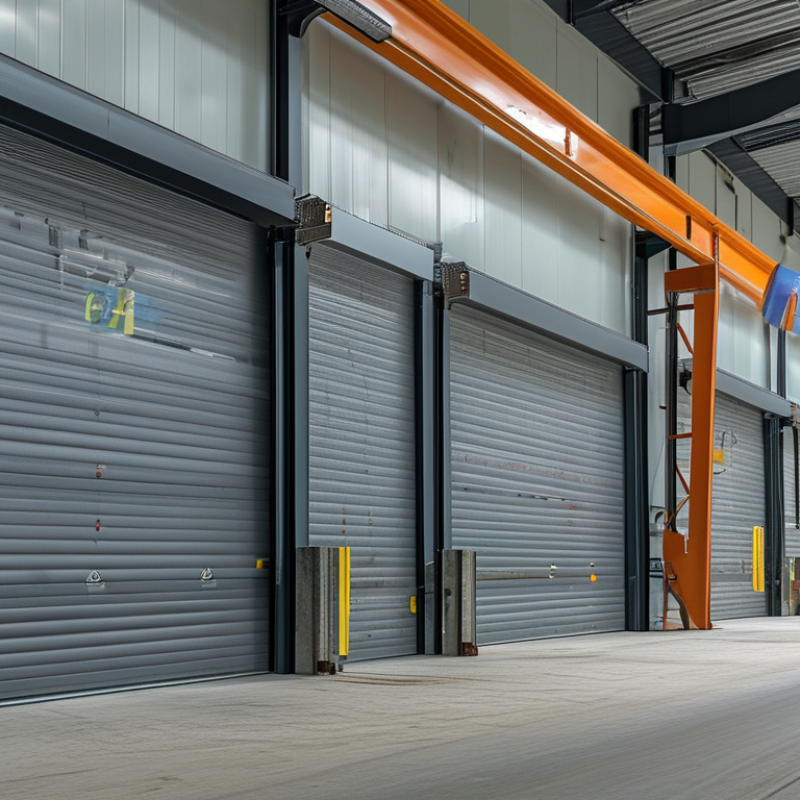
Table of Contents
[Hide]
Overview of High-Speed Roll-Up Doors in the Global Market
High-speed roll-up doors play a critical role in various industries. They are designed for quick access while maintaining energy efficiency and safety. According to a report by MarketsandMarkets, the global high-speed roll-up door market was valued at $2.1 billion in 2020 and is expected to reach $3.5 billion by 2026. This significant growth indicates an increasing demand for these doors in logistics, food and beverage, and manufacturing sectors.
These doors are engineered to operate under high-frequency conditions. They contribute to optimizing workflow and reducing energy loss. However, challenges exist in installation and maintenance. Poor installation can result in frequent breakdowns, leading to costly repairs. Regular maintenance is essential to ensure longevity and reliable performance. Statista reports that companies experiencing door malfunctions saw a 20% increase in operational delays.
Moreover, the materials utilized in producing high-speed roll-up doors vary widely. Options range from vinyl to heavy-duty fabric. Each material offers different benefits, affecting durability and cost. Industry stakeholders must consider specific needs before selecting materials. Overlooking this aspect can lead to unsatisfactory results and operational inefficiencies. Balancing cost and quality remains a persistent challenge for many buyers in this competitive market.
Related Posts
-
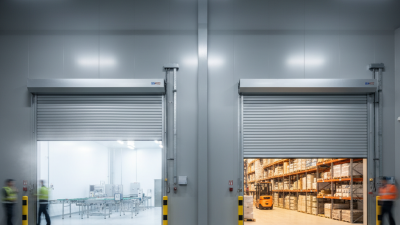
Top 10 High Speed Roll Up Doors Benefits and Features Explained?
-
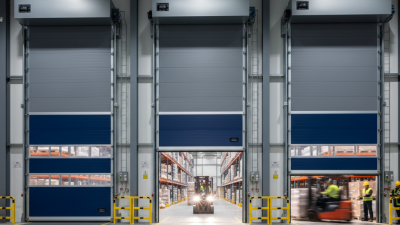
What is High Speed Roll Up Doors and How Do They Work?
-
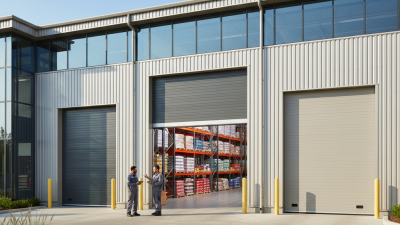
2025 Top Steel Roll Up Doors: Benefits, Features, and Buying Guide
-
2026 Top Roll Up Security Doors What Buyers Need to Know
-
Top Tips for Choosing Roll Up Security Doors for Your Business?
-
Why Choose Steel Roll Up Doors for Your Business Needs?