
- High-Performance Doors
-
- Applications
-
-
-
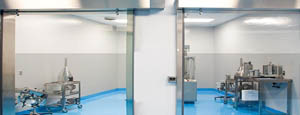
- Clean Room
Stainless steel or composite materials help maintain clean rooms.
-
-
- Coolers
Quick opening speeds & tight seals for temperature control.
-
-
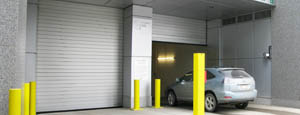
- Parking
Improve security & traffic flow and enhance architectural style.
-
-
- Hurricane Zone
Withstand winds up to 175 mph and comply with the Florida Building Code.
-
-
-
-
- USDA / FDA / cGMP
Increase productivity & address stringent USDA, FDA & cGMP requirements.
-
-
- Freezers
High-speed & perimeter seals minimize the air exchange between areas.
-
-
- Security
High speed & durability ensure secure access.
-
-
- Ventilation
Perforated or screen door panels allow improved air circulation.
-
-
-
-
- Fire Station Emergency Response
When time is of the essence, high speed and reliability are crucial.
-
-
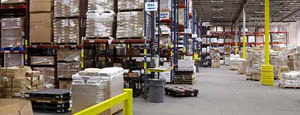
- Warehousing
Fast cycle times and secure seals keep environments separated.
-
-
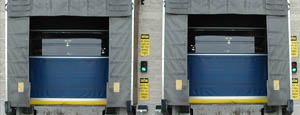
- Loading Dock
Rugged design & secure seal for oversized openings.
-
-
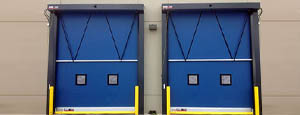
- Large Openings
Break-away functionality with rugged design seals oversized openings.
-
-
-
-
- Heavy Equipment
Withstands challenges of heavy equipment and fleet truck/car wash environments.
-
-
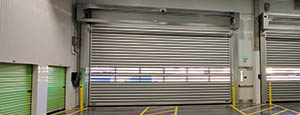
- Self-Storage
Fast opening speeds and reliable, durable construction keep facilities secure and protected.
-
-
- Industries
-
-
-
- Automotive Dealerships
Reduce energy costs, increase productivity and comfort and enhance customer perception.
-
-
- Cold Storage & Processing
Increase productivity and operational efficiency while reducing energy and maintenance costs.
-
-
- Parking
We offer solutions for Apartment / Condo & Loft, Standalone Parking Facilities and Office Buildings
-
-
-
-
- Food & Beverage
Doors specifically engineered for USDA/FDA and cGMP environments, and assured compliance for uncompromising performance.
-
-
- Mfg/Dist/Warehousing
A complete product line allows facilities to increase efficiency and safety and reduce maintenance and energy costs.
-
-
- Government
Ensure effective security and environmental controls are maintained for critical government operations.
-
-
-
-
- Transit
Keep operations running smoothly and efficient while reducing energy and maintenance costs.
-
-
- Pharma, Nutraceutical & Biotech
Doors that offer quick, secure access, environmental control and reliability for life science facilities.
-
-
- Support Resources
- Parts
- Contact Us
- Blog/News
- Why Rytec
- Sales Rep Locator
- Careers
- Dealers
- Architectural Resources
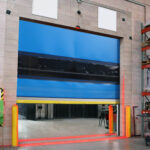
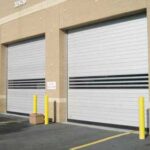
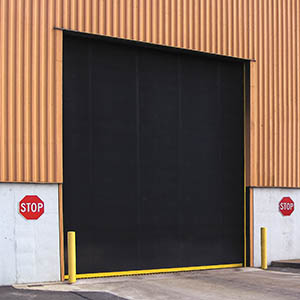
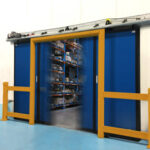



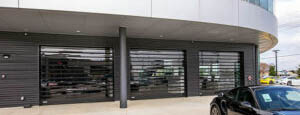




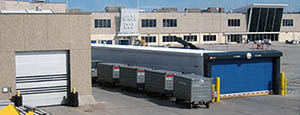

What Are the 2026 Top High Speed Roll Up Doors?
What Are the 2026 Top High Speed Roll Up Doors? This question matters beyond opening speed. In a busy warehouse, a door can cycle hundreds of times daily, separating loading bays, chilled rooms, clean areas, and production floors. The best high speed roll up doors must reduce air loss, control dust, improve traffic flow, and withstand repeated impact. Speed is only one measurement.
Industry specialist Mike Hurst offers a practical reminder: “A fast door is valuable only when it keeps people and operations moving safely.” That principle should guide every 2026 comparison. Look for reinforced curtains, reliable safety sensors, accessible controls, and strong wind resistance. Temperature-controlled facilities may need insulated panels or tight side guides. Food and pharmaceutical sites require easy-clean surfaces and dependable sealing. Details matter.
A door that looks impressive in a brochure may perform poorly beside a busy dock. I have seen specifications hide maintenance limits, installation conditions, and recovery requirements. Those gaps deserve attention. Not every facility needs the fastest model. Sometimes a simpler door delivers better value, fewer service interruptions, and easier repairs.
This guide examines leading high speed roll up doors for 2026 through measurable performance, operator experience, safety design, energy efficiency, and lifecycle cost. It also considers an uncomfortable point: the “top” door depends on the building, traffic pattern, climate, and maintenance team. No single model wins everywhere. The strongest choice is the one that keeps working when the warehouse becomes loud, cold, crowded, and imperfect.
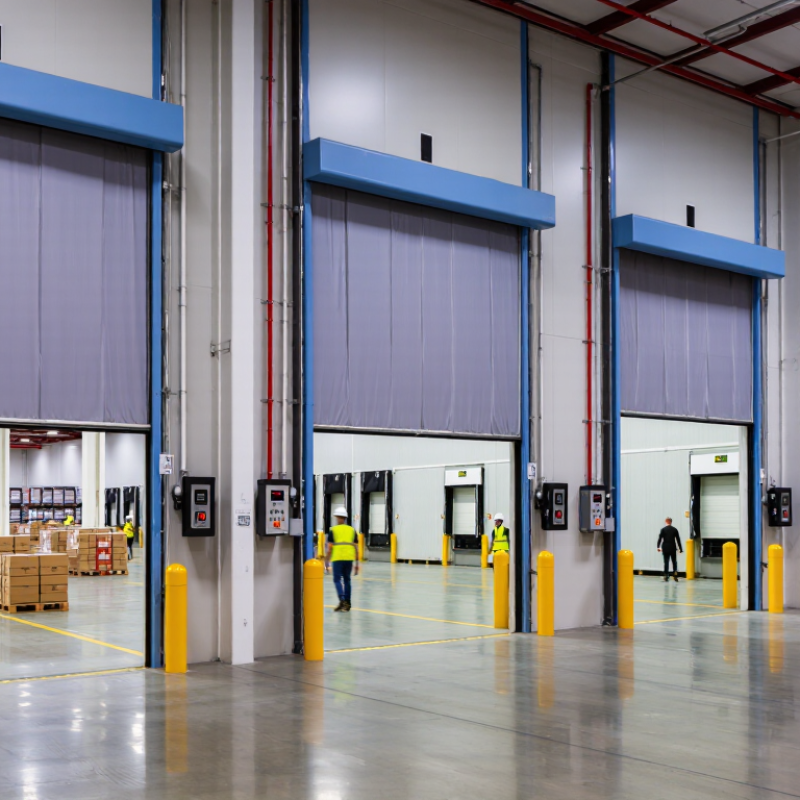
Table of Contents
[Hide]
Define High Speed: 2.0–3.0 m/s Opening and 100+ Cycles per Day
What Are the 2026 Top High Speed Roll Up Doors?
For 2026, “high speed” should mean more than a marketing label. A practical benchmark is 2.0–3.0 m/s opening speed and at least 100 cycles per day. At a busy loading bay, that difference matters. A door opening at 2.5 m/s can reduce forklift waiting time, limit dust movement, and stabilize indoor temperatures. Small gains become significant after hundreds of daily movements.
DASMA technical guidance emphasizes cycle frequency, safety controls, and rated operating conditions when evaluating high-performance doors. Its recommendations support checking daily usage, curtain weight, wind exposure, and maintenance access before selection. Industry research from Grand View Research also identifies automation, energy efficiency, and logistics expansion as major industrial door demand drivers. These trends point toward doors with smart sensors, adjustable speed settings, and clear cycle monitoring.
The curtain is only one part.
In real facilities, the strongest option may not be the fastest model. A 3.0 m/s door can underperform if sensors misread pallets or the control panel overheats. Operators should request verified opening-speed tests, cycle ratings, impact recovery data, and service records. One overlooked detail is winter performance. Cold grease, ice, and temperature swings can reduce actual speed sharply. The 100-cycle target should reflect the complete door system, not a laboratory claim. Metrics need checking. Marketing numbers deserve some doubt.
Related Posts
-
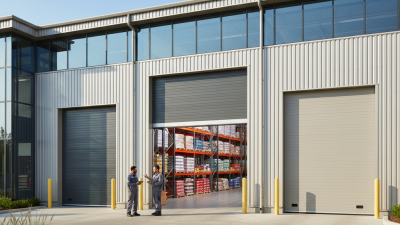
2025 Top Steel Roll Up Doors: Benefits, Features, and Buying Guide
-
What is High Speed Roll Up Doors and How Do They Work?
-
7 Best Roll Up Gate Options for Businesses
-
Why High Speed Roll Up Doors Are Essential for Modern Industrial Facilities
-
2026 Best High Speed Doors for Your Business Needs?
-
Top 10 High Speed Roll Up Doors for Global Buyers?