7 Best Roll Up Gate Options for Businesses

A roll up gate is more than a metal curtain at the entrance. It affects daily access, security, noise, and how smoothly a business opens each morning. The right choice depends on the building, traffic, and working conditions—not just the price tag. A compact storefront may need a different design from a busy loading bay, where forklifts, dust, and repeated cycles are part of the day.

“Choose the gate for the work it must do, not only for the opening it must cover.” This is an editorial summary of practical commercial-door guidance, not a verified quotation from a named expert. A qualified installer can assess opening size, headroom, operating frequency, and nearby hazards before recommending a system. Those details matter. A gate that looks suitable on a brochure may prove awkward when staff use it dozens of times each shift.

This guide compares seven roll up gate options for businesses, including differences in materials, operation, durability, and maintenance needs. It also considers where each type may fit best, from retail entrances to warehouses and service areas. No single option suits every site. That deserves a closer look. Use the comparisons as a starting point, then confirm specifications and installation requirements with a reputable commercial-door professional.

7 Best Roll Up Gate Options for Businesses

Understanding Roll-Up Gates and Their Commercial Uses

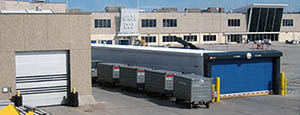
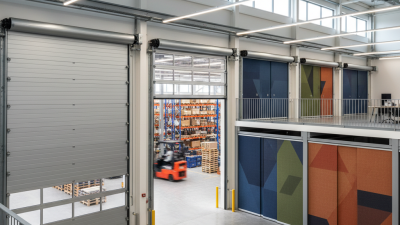
Roll-up gates use linked slats or a flexible curtain that travels vertically and coils above the opening. This design leaves more floor and wall space clear than many outward-swinging doors. Businesses use them in warehouses, loading bays, workshops, and service garages. The right style depends on daily traffic, opening size, weather exposure, and security needs. Steel may suit heavy-duty sites, while lighter materials can work for smaller openings. Insulated or ventilated designs address different interior conditions. No single gate fits every building.

Tips: Measure the opening and overhead clearance before comparing options. Check how often the gate will cycle each day, and ask a qualified installer to verify the structure and safety features. Small details matter.

Think about a busy loading bay: a gate that opens slowly can interrupt deliveries, while a poorly sealed one may let in drafts, dust, or rain. A site assessment can help match the operating method, material, and maintenance plan to actual use. Include clear space for the guides and coil, too. These requirements are easy to overlook. Even a well-chosen gate needs regular inspection; worn parts can affect smooth operation and safe use.

Key Factors for Choosing a Roll-Up Gate for Your Business

Choosing a roll-up gate starts with the opening, not the catalog. Measure clear width, height, headroom, and side room; note pipes, lights, and uneven floors. Then match construction to the site: insulated slats suit temperature-controlled rooms, while non-insulated models may fit sheltered storage areas. For exposed openings, ask a qualified installer to assess wind loads and local conditions. A rating on paper is not a substitute for a site check.

Traffic and duty cycle matter, too. Count daily openings and consider whether staff, carts, or forklifts share the route. OSHA’s Powered Industrial Trucks eTool cites estimates of about 85 deaths and 34,900 serious injuries annually involving these vehicles; this is not gate-specific data, but it shows why sightlines, operating speed, and safe controls deserve attention. Check reversal and obstruction-sensing features against the actual traffic pattern. Small details matter. In climate-controlled spaces, compare insulation and perimeter seals: the U.S. Energy Information Administration’s 2018 Commercial Buildings Energy Consumption Survey reports 6,826 trillion Btu of energy use across U.S. commercial buildings. That figure is not a gate-savings estimate, but it gives energy performance context. Ask for documented cycle ratings, service access, and replacement-part availability. A slightly slower gate may be the better fit; still, teams often underestimate how disruptive a blocked opening becomes.

Seven Roll-Up Gate Options for Different Business Needs

A roll-up gate should match the way a business uses its opening each day. A basic steel curtain suits many warehouses and service bays, where security matters more than insulation. Insulated steel is a stronger fit for temperature-controlled spaces. It can reduce drafts and outside noise, though the added weight may affect hardware requirements.

For visibility, perforated curtains let staff see activity outside while keeping the opening partly screened. Open grille gates offer more airflow and a clearer view of displays, which can help in retail settings. Aluminum curtains are lighter and resist corrosion, making them worth considering in damp areas. Still, lighter does not always mean tougher.

Busy loading areas may benefit from high-speed roll-up gates that limit the time an entrance stays open. Counter shutters suit smaller openings, such as checkout windows or parts counters. Small opening, different demands.

Before choosing, measure the clear width and height, note daily opening cycles, and consider wind exposure, available headroom, and maintenance access. A site check can reveal awkward obstacles, such as pipes or uneven floors. That step is easy to skip—and can lead to a costly mismatch. Compare documented cycle ratings and installation requirements, then have a qualified professional assess the opening.

Comparing Gate Materials, Security Features, and Operating Styles

Choosing among seven roll-up gate options requires more than comparing price tags.

Steel gates suit busy loading docks because they resist impact and repeated cycles.

Aluminum models weigh less and resist corrosion, making them practical near coastal facilities.

Insulated steel gates can reduce drafts and temperature loss in warehouses.

Polycarbonate sections improve visibility, but they may scratch sooner.

Fabric curtains offer speed and flexibility, though they provide less physical resistance.

Security depends on the complete system.

Look for interlocked controls, emergency release access, photoelectric sensors, bottom-edge detection, and tested wind resistance.

The U.S. Department of Labor reports that transportation and material-moving occupations recorded 1,574 fatal workplace injuries in 2022.

That figure does not isolate gates, but it reinforces the need for controlled vehicle movement.

A gate that stops automatically matters more than a heavy curtain alone.

Operating style also changes daily performance.

Manual chain operation costs less, but it slows frequent deliveries.

Motorized push-button gates improve consistency.

Remote or automatic activation saves time, yet it needs access permissions and backup controls.

MarketsandMarkets projected the physical security market to grow from 127.0 billion dollars in 2023 to 157.5 billion dollars by 2028.

That growth supports smarter access systems, but technology can fail.

I would still test sensors weekly and record failed cycles.

Specifications look precise.

Real doors behave less perfectly.

Evaluating Installation, Safety, and Maintenance Requirements

Choosing among the 7 best roll-up gate options requires more than comparing materials. Standard steel slatted gates suit warehouses and loading areas. Aluminum gates reduce weight and may simplify installation. Insulated models help control temperature in conditioned spaces. Perforated or grille designs improve visibility. High-cycle gates fit busy facilities. Fire-rated assemblies serve protected openings. Compact security shutters suit narrow entrances.

Installation quality strongly affects safety. The opening must be measured square, level, and structurally sound. Anchors should match the wall material, not just the gate weight. A trained installer should verify curtain alignment, emergency release access, and travel limits. The U.S. Bureau of Labor Statistics recorded 865 fatal workplace injuries involving falls, slips, and trips in 2022. A raised threshold, loose guide, or damaged floor can create similar hazards around gates. Small details matter.

Maintenance should follow NFPA 80 inspection principles where fire-rated assemblies apply, plus the manufacturer’s service schedule. Inspect guides, brackets, springs, fasteners, sensors, and bottom bars. Listen for scraping. It often signals misalignment. High-cycle gates deserve documented cycle counts and shorter inspection intervals. OSHA machine-guarding guidance also supports keeping moving components protected from contact. Some facilities overestimate their maintenance discipline. A monthly checklist is useful, but it may miss gradual corrosion or weakened anchors. Record findings, repairs, and test results after every service visit.

7 Best Roll Up Gate Options for Businesses — Evaluating Installation, Safety, and Maintenance Requirements

Roll-Up Gate Option Typical Business Use Installation Considerations Key Safety Considerations Maintenance Requirements
Standard steel rolling service door Warehouses, loading areas, workshops, and service openings where durability and basic security are priorities. Requires adequate headroom for the coiled curtain, suitable side guides, and a structurally sound mounting surface. Confirm opening dimensions and operating method before ordering. Protect against unintended operation and keep the travel path clear. Powered units may need appropriate controls, guarding, and entrapment protection under applicable codes. Inspect the curtain, guides, brackets, and operating components regularly. Keep guides clear of debris; have damaged or misaligned parts assessed by a qualified technician.
Insulated rolling door Climate-controlled storage, workshops, and commercial spaces where reducing heat transfer or noise is useful. Check the opening, side-room, and headroom requirements for the selected insulated construction. Account for the door’s weight and the capacity of its supports and operator. Use suitable controls and safety devices for powered operation. Insulation does not replace required fire separation or a separately rated fire-door assembly. Inspect the curtain, seals, guides, and operator. Check for damage that could affect alignment or sealing, and follow the service schedule for the door and controls.
Rolling grille Retail storefronts, parking facilities, and interior openings where airflow and visibility through the closed opening are desired. Verify that the grille pattern suits the security and visibility needs. Ensure the supporting structure, guides, and coil area can accommodate the selected assembly. Open grille patterns provide less visual screening than solid curtains. Keep people and objects clear of the opening while the grille is moving; provide suitable powered-door safeguards. Remove accumulated dust and debris from the grille and guides. Inspect links, end locks, attachment points, and the operator for wear or damage.
Counter shutter Service counters, concession openings, reception areas, and interior pass-throughs. Measure the counter opening carefully and confirm the required mounting arrangement and coil clearance. Coordinate the shutter with adjacent finishes and counter equipment. Choose an operating method appropriate to the opening and its users. Keep fingers and objects away from the curtain and guides during operation. Clean the curtain and guides, check that the shutter travels evenly, and inspect locks and operating components. Arrange professional service if it binds or becomes difficult to operate.
Fire-rated rolling door Openings in walls where a fire-resistance-rated closure is required by the building design or local code. Use a complete, appropriately listed assembly installed in a compatible rated opening. Installation, support, clearances, and release components must follow the approved system instructions and applicable code. Do not treat an ordinary rolling door as a fire door. Required closing, release, and inspection features must remain functional; never obstruct or disable them. Follow the applicable inspection and testing requirements, including local fire and building codes. Keep records of inspections, tests, repairs, and any required drop testing.
High-speed fabric roll-up door Busy internal openings in distribution, food-processing, and manufacturing settings where frequent movement or workflow separation is important. Confirm that the door is suitable for the opening, operating frequency, environment, and available power. Coordinate controls and safety devices with nearby traffic routes and equipment. Assess pedestrian and vehicle traffic at the opening. Use appropriate presence-sensing or other protective devices, and train users not to pass through a moving door unless the system is designed for it. Check the fabric, bottom edge, guides, sensors, and controls. Clean sensors as directed and have repeated faults, impact damage, or unusual movement inspected promptly.
Perforated or vision-panel rolling door Commercial openings where limited visibility or ventilation is desired while retaining a roll-up closure. Select an opening pattern and curtain construction suited to the site’s security, airflow, and visibility needs. Confirm support and clearance requirements with the installer. Perforations and vision panels can affect privacy, weather resistance, and security. They do not automatically provide a fire rating; verify any required performance for the complete assembly. Inspect panels or perforated sections for damage and check the guides and curtain alignment. Clean according to the material and finish recommendations for the installed door.

Selection note: Suitability depends on the opening, building structure, operating frequency, exposure, and local requirements. Confirm dimensions, ratings, safety devices, and inspection obligations with a qualified installer and the relevant authority before purchase or installation.