
- High-Performance Doors
-
- Applications
-
-
-
- Clean Room
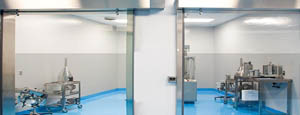
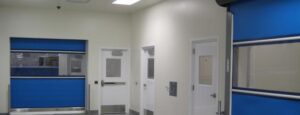
Stainless steel or composite materials help maintain clean rooms.
-
-
- Coolers
Quick opening speeds & tight seals for temperature control.
-
-
- Parking
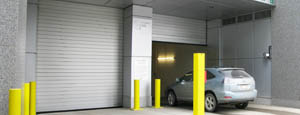
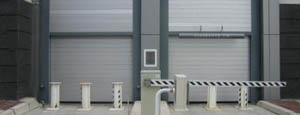
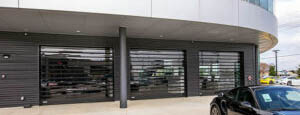
Improve security & traffic flow and enhance architectural style.
-
-
- Hurricane Zone
Withstand winds up to 175 mph and comply with the Florida Building Code.
-
-
-
-
- USDA / FDA / cGMP
Increase productivity & address stringent USDA, FDA & cGMP requirements.
-
-
- Freezers
High-speed & perimeter seals minimize the air exchange between areas.
-
-
- Security
High speed & durability ensure secure access.
-
-
- Ventilation
Perforated or screen door panels allow improved air circulation.
-
-
-
-
- Fire Station Emergency Response
When time is of the essence, high speed and reliability are crucial.
-
-
- Warehousing
Fast cycle times and secure seals keep environments separated.
-
-
- Loading Dock
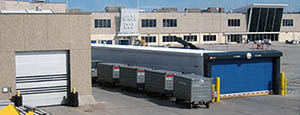
Rugged design & secure seal for oversized openings.
-
-
- Large Openings
Break-away functionality with rugged design seals oversized openings.
-
-
-
-
- Heavy Equipment
Withstands challenges of heavy equipment and fleet truck/car wash environments.
-
-
- Self-Storage
Fast opening speeds and reliable, durable construction keep facilities secure and protected.
-
-
- Industries
-
-
-
- Automotive Dealerships
Reduce energy costs, increase productivity and comfort and enhance customer perception.
-
-
- Cold Storage & Processing
Increase productivity and operational efficiency while reducing energy and maintenance costs.
-
-
- Parking
We offer solutions for Apartment / Condo & Loft, Standalone Parking Facilities and Office Buildings
-
-
-
-
- Food & Beverage
Doors specifically engineered for USDA/FDA and cGMP environments, and assured compliance for uncompromising performance.
-
-
- Mfg/Dist/Warehousing
A complete product line allows facilities to increase efficiency and safety and reduce maintenance and energy costs.
-
-
- Government
Ensure effective security and environmental controls are maintained for critical government operations.
-
-
-
-
- Transit
Keep operations running smoothly and efficient while reducing energy and maintenance costs.
-
-
- Pharma, Nutraceutical & Biotech
Doors that offer quick, secure access, environmental control and reliability for life science facilities.
-
-
- Support Resources
- Parts
- Contact Us
- Blog/News
- Why Rytec
- Sales Rep Locator
- Careers
- Dealers
- Architectural Resources











How to Choose the 2026 Best Interior Roll Up Doors
Choosing the 2026 best interior roll up doors requires more than comparing prices, colors, or promotional claims. The right door must match the room, traffic level, opening size, and maintenance capacity. A clinic may need a quiet, smooth curtain. A restaurant may need fast operation and easy cleaning. A warehouse office may prioritize compact storage above the ceiling.
Tom Wadsworth, a respected commercial door educator, often emphasizes a practical principle: “A door is a system, not simply a panel.” That idea matters here. The curtain, guides, barrel, operator, seals, and safety features must work together. A strong-looking door can still disappoint if its guides rattle, its motor strains, or its bottom bar meets an uneven floor.
Measure the opening carefully. Note the headroom, side clearance, wall material, and nearby equipment. Watch the doorway during peak use. Ten openings per hour need different hardware from one used continuously. Consider noise, insulation, visibility, fire performance, and emergency access before selecting a model.
Do not trust vague labels.
“Best” depends on evidence. Ask for cycle ratings, installation requirements, warranty terms, cleaning guidance, and documented testing. Review the manufacturer’s technical data, not only lifestyle photographs. A small oversight, such as ignoring ceiling obstructions, can create expensive revisions later.
This guide examines those decisions for 2026. It also recognizes an uncomfortable truth: the most advanced door is not always the most suitable one. Practical fit, dependable service, and honest maintenance planning usually matter more than impressive specifications.
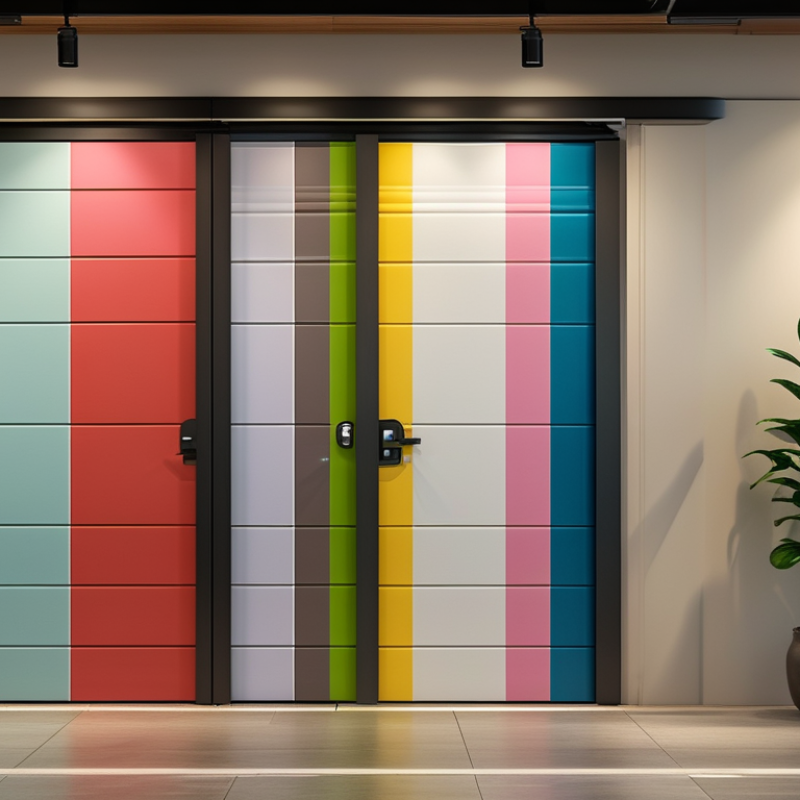
Table of Contents
[Hide]
Defining the Purpose and Requirements of Interior Roll Up Doors
How to Choose the 2026 Best Interior Roll Up Doors
Defining the Purpose and Requirements of Interior Roll Up Doors
Choose an interior roll-up door by defining its purpose before comparing finishes or materials. Is it separating a kitchen, protecting inventory, controlling drafts, or supporting fire-rated compartmentation? Each purpose changes the required curtain, guides, bottom bar, operator, and safety sensors. A warehouse opening may need frequent cycles. A service corridor may need quieter movement and tighter clearances. The wrong priority creates daily friction.
The U.S. Energy Information Administration’s 2018 Commercial Buildings Energy Consumption Survey estimates 6.2 million commercial buildings nationwide. These buildings represent about 97 billion square feet of floor space. The same report identifies space heating as roughly 32% of commercial site energy use. This does not prove a roll-up door will deliver major savings. Still, reducing unwanted airflow can support better control in conditioned areas. The assumption deserves testing.
Measure the clear opening, headroom, side room, traffic speed, and expected daily cycles. Record washdown exposure, dust, impact risks, and nearby pedestrian movement. For fire-rated applications, NFPA 80 requires inspection of rolling fire doors at least annually by qualified personnel. Ask for documented ratings, maintenance access, and tested safety features. A cheaper door can become expensive when repairs interrupt production. Sometimes, the simplest specification is not the best one.
Related Posts
-

How to Choose the Best Roll Up Security Doors for Your Business?
-
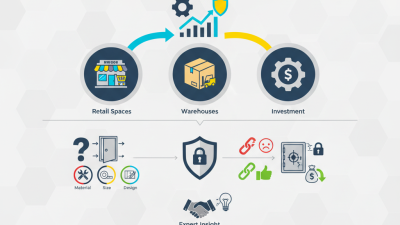
2026 How to Choose the Right Roll Up Security Doors for Your Business?
-
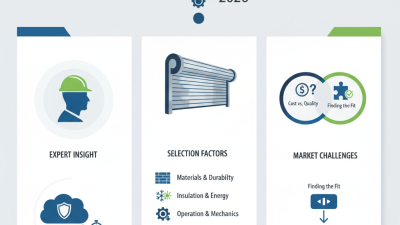
Best Roll Up Doors for Commercial Use in 2026?
-
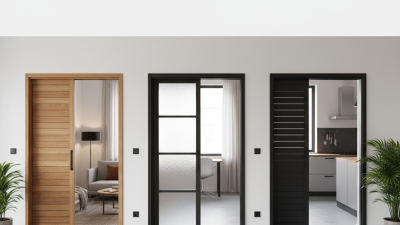
2026 How to Choose the Best Interior Roll Up Doors?
-

2025 Top Steel Roll Up Doors: Benefits, Features, and Buying Guide
-
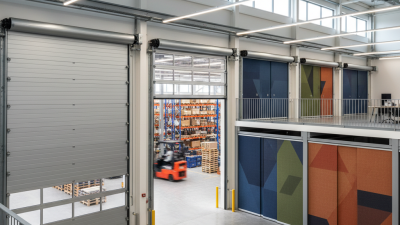
Top 10 Benefits of Using Interior Roll Up Doors for Your Space?