
- High-Performance Doors
-
- Applications
-
-
-
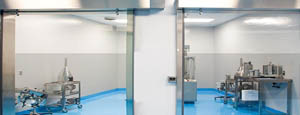
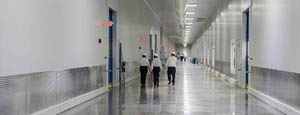
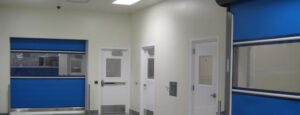
- Clean Room
Stainless steel or composite materials help maintain clean rooms.
-
-
- Coolers
Quick opening speeds & tight seals for temperature control.
-
-
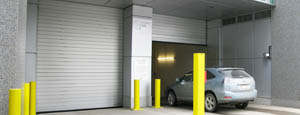
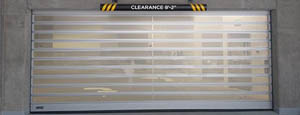
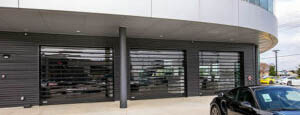
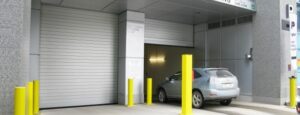
- Parking
Improve security & traffic flow and enhance architectural style.
-
-
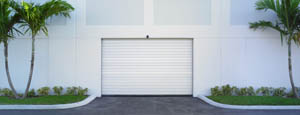
- Hurricane Zone
Withstand winds up to 175 mph and comply with the Florida Building Code.
-
-
-
-
- USDA / FDA / cGMP
Increase productivity & address stringent USDA, FDA & cGMP requirements.
-
-
- Freezers
High-speed & perimeter seals minimize the air exchange between areas.
-
-
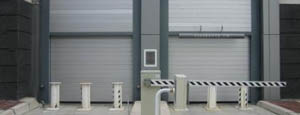
- Security
High speed & durability ensure secure access.
-
-
- Ventilation
Perforated or screen door panels allow improved air circulation.
-
-
-
-
- Fire Station Emergency Response
When time is of the essence, high speed and reliability are crucial.
-
-
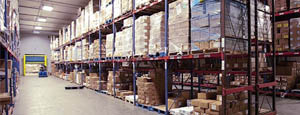
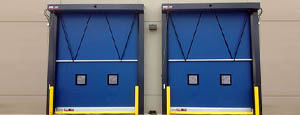
- Warehousing
Fast cycle times and secure seals keep environments separated.
-
-
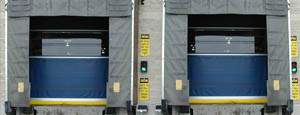
- Loading Dock
Rugged design & secure seal for oversized openings.
-
-
- Large Openings
Break-away functionality with rugged design seals oversized openings.
-
-
-
-
- Heavy Equipment
Withstands challenges of heavy equipment and fleet truck/car wash environments.
-
-
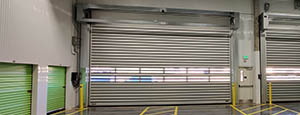
- Self-Storage
Fast opening speeds and reliable, durable construction keep facilities secure and protected.
-
-
- Industries
-
-
-
- Automotive Dealerships
Reduce energy costs, increase productivity and comfort and enhance customer perception.
-
-
- Cold Storage & Processing
Increase productivity and operational efficiency while reducing energy and maintenance costs.
-
-
- Parking
We offer solutions for Apartment / Condo & Loft, Standalone Parking Facilities and Office Buildings
-
-
-
-
- Food & Beverage
Doors specifically engineered for USDA/FDA and cGMP environments, and assured compliance for uncompromising performance.
-
-
- Mfg/Dist/Warehousing
A complete product line allows facilities to increase efficiency and safety and reduce maintenance and energy costs.
-
-
- Government
Ensure effective security and environmental controls are maintained for critical government operations.
-
-
-
-
- Transit
Keep operations running smoothly and efficient while reducing energy and maintenance costs.
-
-
- Pharma, Nutraceutical & Biotech
Doors that offer quick, secure access, environmental control and reliability for life science facilities.
-
-
- Support Resources
- Parts
- Contact Us
- Blog/News
- Why Rytec
- Sales Rep Locator
- Careers
- Dealers
- Architectural Resources






What Are the Top Types of Folding Doors in 2026?
Folding doors can turn a narrow opening into a broad passage, but the right type depends on how the room works. A kitchen patio entrance needs different hardware from a bedroom divider. In 2026, homeowners can compare classic bifold panels, accordion-style doors, and large-format exterior systems. Each offers a different balance of opening width, sightlines, insulation, and floor space.
The 2024 U.S. Houzz & Home Study reported a median homeowner renovation spend of $24,000 in 2023. That figure covers renovations broadly, not folding doors specifically, but it signals why careful product choices matter. Look beyond the panel finish. Track clearance, threshold height, glazing, locking points, and the space needed to stack open panels. The details matter. Small gaps show.
Architect Louis Sullivan’s maxim, “form ever follows function,” is a useful lens for comparing these designs. It is not a folding-door specification; it is a reminder to match appearance with everyday use. A bifold door may stack neatly beside a wall, while an accordion design can suit a tight interior opening. A large exterior folding system can connect a living room to a patio, but its frame, seals, and installation deserve close scrutiny. Even attractive options can disappoint when measurements or upkeep are overlooked. This guide compares the leading folding doors types for 2026, explains where each fits best, and highlights the practical questions to ask before choosing.
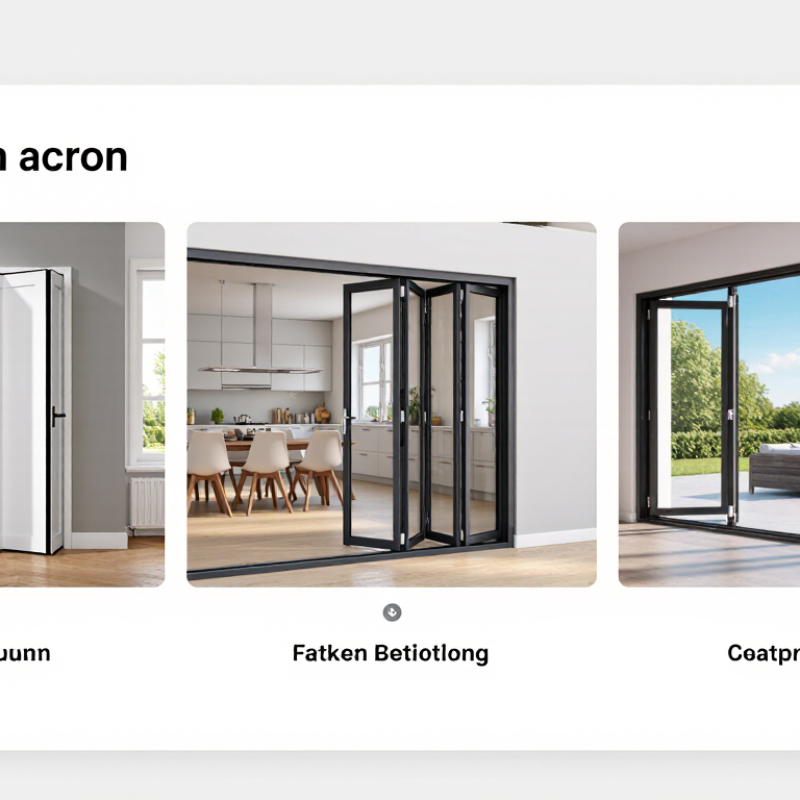
Table of Contents
[Hide]
How Folding Doors Work and Where They Are Used
Folding doors move by connecting several panels with hinges, then guiding them along a track as they fold toward one side. Many systems use an upper track to carry the panels, while others rely on a floor track or rollers. The exact arrangement affects how smoothly the door moves and how much floor space it needs. Small alignment problems can make a panel drag, so careful installation matters.
Bi-fold doors usually have fewer, wider panels and suit closets, laundry areas, and patio openings. Accordion-style doors use narrower sections that gather tightly, making them useful for room dividers or compact interiors. For a wide exterior opening, folding glass panels can bring daylight into a living area and open the space toward a deck. They need room to stack, though. Measure the clear opening, including handles and folded panels, before choosing a configuration.
Where a door is used changes what it should provide. Interior versions may prioritize privacy and easy movement; exterior systems need suitable weather seals, drainage, and glazing for local conditions. Check the threshold, too. A raised track can catch shoes or mobility aids, while a flush option may need careful water management. Folding doors can feel airy, but they do not always seal or insulate as tightly as a single fixed panel. That trade-off is easy to overlook.
Related Posts
-
How to Choose the Best Folding Doors for Your Home?
-
2026 Top Folding Sliding Doors for Global Buyers
-
Why Choose Folding Doors for Your Home?
-
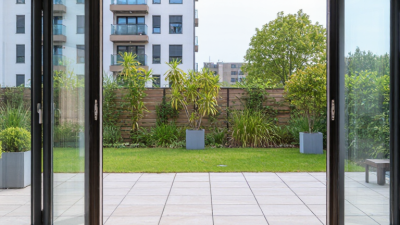
China Top 10 Folding Sliding Door Manufacturers 2026
-
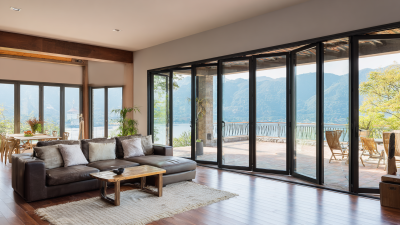
Revolutionize Your Living Space with Innovative Folding Sliding Doors Solutions
-

Innovative Folding Doors Transforming Spaces with Style and Functionality