
- High-Performance Doors
-
- Applications
-
-
-
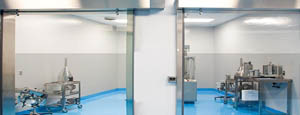
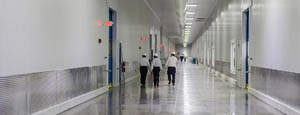
- Clean Room
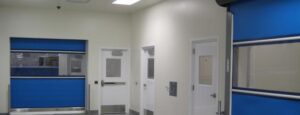
Stainless steel or composite materials help maintain clean rooms.
-
-
- Coolers
Quick opening speeds & tight seals for temperature control.
-
-
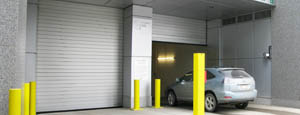
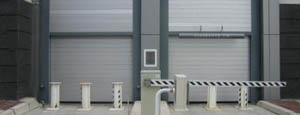
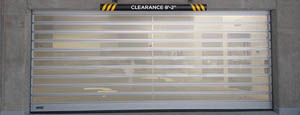
- Parking
Improve security & traffic flow and enhance architectural style.
-
-
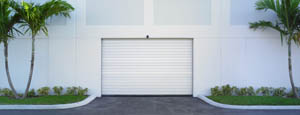
- Hurricane Zone
Withstand winds up to 175 mph and comply with the Florida Building Code.
-
-
-
-
- USDA / FDA / cGMP
Increase productivity & address stringent USDA, FDA & cGMP requirements.
-
-
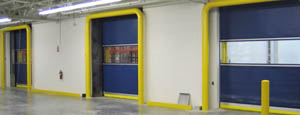
- Freezers
High-speed & perimeter seals minimize the air exchange between areas.
-
-
- Security
High speed & durability ensure secure access.
-
-
- Ventilation
Perforated or screen door panels allow improved air circulation.
-
-
-
-
- Fire Station Emergency Response
When time is of the essence, high speed and reliability are crucial.
-
-
- Warehousing
Fast cycle times and secure seals keep environments separated.
-
-
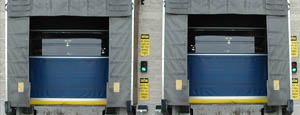
- Loading Dock
Rugged design & secure seal for oversized openings.
-
-
- Large Openings
Break-away functionality with rugged design seals oversized openings.
-
-
-
-
- Heavy Equipment
Withstands challenges of heavy equipment and fleet truck/car wash environments.
-
-
- Self-Storage
Fast opening speeds and reliable, durable construction keep facilities secure and protected.
-
-
- Industries
-
-
-
- Automotive Dealerships
Reduce energy costs, increase productivity and comfort and enhance customer perception.
-
-
- Cold Storage & Processing
Increase productivity and operational efficiency while reducing energy and maintenance costs.
-
-
- Parking
We offer solutions for Apartment / Condo & Loft, Standalone Parking Facilities and Office Buildings
-
-
-
-
- Food & Beverage
Doors specifically engineered for USDA/FDA and cGMP environments, and assured compliance for uncompromising performance.
-
-
- Mfg/Dist/Warehousing
A complete product line allows facilities to increase efficiency and safety and reduce maintenance and energy costs.
-
-
- Government
Ensure effective security and environmental controls are maintained for critical government operations.
-
-
-
-
- Transit
Keep operations running smoothly and efficient while reducing energy and maintenance costs.
-
-
- Pharma, Nutraceutical & Biotech
Doors that offer quick, secure access, environmental control and reliability for life science facilities.
-
-
- Support Resources
- Parts
- Contact Us
- Blog/News
- Why Rytec
- Sales Rep Locator
- Careers
- Dealers
- Architectural Resources








How to Choose the Best Folding Doors for Your Home?
Choosing the best folding doors for your home can be a daunting task. According to John Stevens, a renowned expert in the folding doors industry, "A good folding door should balance aesthetics with functionality." Many homeowners struggle with this balance.
Folding doors can elevate your space, offering natural light and easy access. However, the options can be overwhelming. Materials, styles, and sizes vary widely. You might prefer wooden doors for their warmth, or aluminum for durability. Each choice involves trade-offs that require careful consideration.
It's crucial to assess your specific needs. Think about the space and how you plan to use it. Do you want a seamless transition between indoors and outdoors? This reflection can help narrow your choices. Even small decisions, like the type of handle, can impact the overall design. Ultimately, the right folding doors will not only enhance your home but also reflect your personal style.
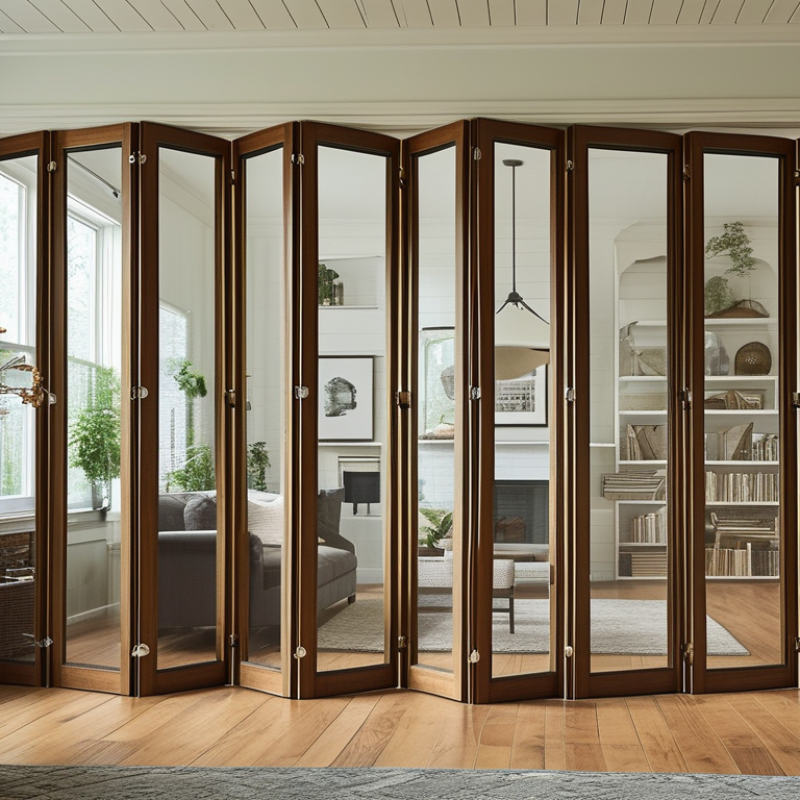
Table of Contents
[Hide]
Factors to Consider When Choosing Folding Doors for Your Home
When choosing folding doors for your home, several key factors come into play. One important aspect is the space available. Take accurate measurements of your entrance or opening. This helps determine the door size. If you have limited space, consider doors that fold in a way that maximizes the available area.
The material of your folding doors matters as well. Options like wood, aluminum, and vinyl each have their pros and cons. Wooden doors offer warmth but may require maintenance. Aluminum is durable and low-maintenance but may feel colder. Consider your local climate too. Humidity and temperatures affect materials differently.
Another factor is style. Folding doors come in various designs. Think about the aesthetic of your home. A modern home might look good with sleek aluminum, while a rustic style may benefit from wooden choices. Reflect on how these doors will enhance your living space. They should not just look good but also function well. This balance between style and practicality is crucial when making your choice.
Related Posts
-
Revolutionize Your Living Space with Innovative Folding Sliding Doors Solutions
-

Innovative Folding Doors Transforming Spaces with Style and Functionality
-
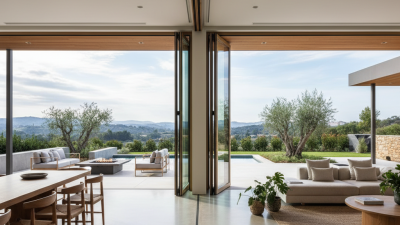
Top 10 Folding Doors That Transform Your Space into a Stylish Haven
-
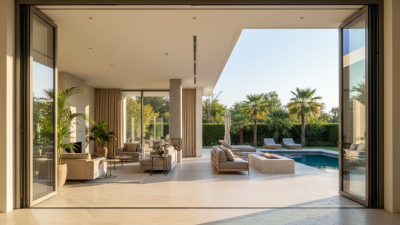
Why Choose Slide and Fold Doors for Your Home Design Needs?
-
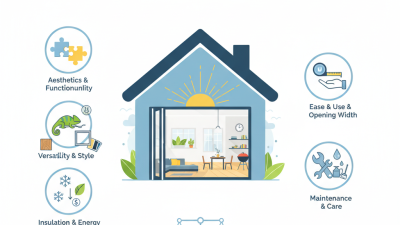
Why Choose Folding Sliding Doors for Your Home?
-
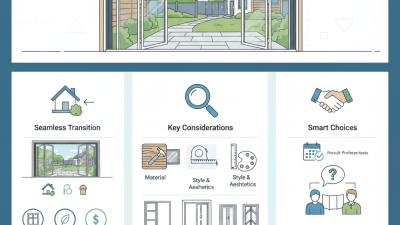
How to Choose Bifold Sliding Doors for Your Home?