
- High-Performance Doors
-
- Applications
-
-
-
- Clean Room
Stainless steel or composite materials help maintain clean rooms.
-
-
- Coolers
Quick opening speeds & tight seals for temperature control.
-
-
- Parking
Improve security & traffic flow and enhance architectural style.
-
-
- Hurricane Zone
Withstand winds up to 175 mph and comply with the Florida Building Code.
-
-
-
-
- USDA / FDA / cGMP
Increase productivity & address stringent USDA, FDA & cGMP requirements.
-
-
- Freezers
High-speed & perimeter seals minimize the air exchange between areas.
-
-
- Security
High speed & durability ensure secure access.
-
-
- Ventilation
Perforated or screen door panels allow improved air circulation.
-
-
-
-
- Fire Station Emergency Response
When time is of the essence, high speed and reliability are crucial.
-
-
- Warehousing
Fast cycle times and secure seals keep environments separated.
-
-
- Loading Dock
Rugged design & secure seal for oversized openings.
-
-
- Large Openings
Break-away functionality with rugged design seals oversized openings.
-
-
-
-
- Heavy Equipment
Withstands challenges of heavy equipment and fleet truck/car wash environments.
-
-
- Self-Storage
Fast opening speeds and reliable, durable construction keep facilities secure and protected.
-
-
- Industries
-
-
-
- Automotive Dealerships
Reduce energy costs, increase productivity and comfort and enhance customer perception.
-
-
- Cold Storage & Processing
Increase productivity and operational efficiency while reducing energy and maintenance costs.
-
-
- Parking
We offer solutions for Apartment / Condo & Loft, Standalone Parking Facilities and Office Buildings
-
-
-
-
- Food & Beverage
Doors specifically engineered for USDA/FDA and cGMP environments, and assured compliance for uncompromising performance.
-
-
- Mfg/Dist/Warehousing
A complete product line allows facilities to increase efficiency and safety and reduce maintenance and energy costs.
-
-
- Government
Ensure effective security and environmental controls are maintained for critical government operations.
-
-
-
-
- Transit
Keep operations running smoothly and efficient while reducing energy and maintenance costs.
-
-
- Pharma, Nutraceutical & Biotech
Doors that offer quick, secure access, environmental control and reliability for life science facilities.
-
-
- Support Resources
- Parts
- Contact Us
- Blog/News
- Why Rytec
- Sales Rep Locator
- Careers
- Dealers
- Architectural Resources


























What Is a Roll Down Door and How Does It Work?
A roll down door is more than a steel curtain moving above an opening. It is a compact closure system used in warehouses, retail units, loading bays, garages, and service areas. The curtain travels vertically along two side guides. A barrel, spring assembly, or motor stores the curtain above the opening. When activated, the door descends under controlled movement and rises when the operator reverses the cycle.
Its value is practical. A closed door can reduce drafts, dust, unauthorized access, and equipment exposure. Insulated models may also support temperature control. Grand View Research’s industrial doors market analysis identifies automation, energy efficiency, and safety upgrades as major demand factors. Those trends match daily site experience: a busy loading bay needs fast operation, clear visibility, and dependable cycle performance. Small details matter. A damaged guide can make the curtain scrape loudly. Poor spring adjustment can create uneven travel.
The system is not maintenance-free. That point is easy to miss. DASMA guidance and NFPA 80 inspection principles emphasize suitable installation, safe operation, and documented maintenance for commercial door assemblies. A qualified technician should check the curtain, guides, bottom bar, brackets, springs, sensing devices, and emergency release. Safety devices are not decorative accessories. They help limit crushing and impact hazards when correctly installed and tested.
This guide explains what a roll down door is, how its components work, and where different designs fit. Performance depends on the opening, traffic frequency, wind exposure, insulation needs, and local building requirements. Choosing the cheapest model may be a false economy. Reliable protection begins with accurate site measurements and realistic operating expectations.
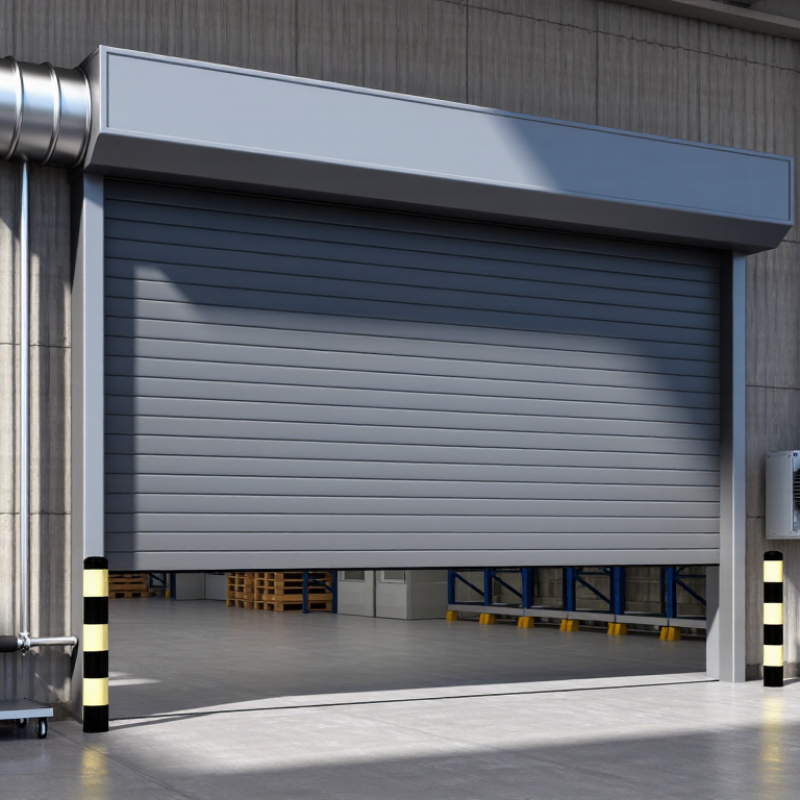
Table of Contents
[Hide]
Definition and Purpose of a Roll Down Door
A roll down door is a movable barrier that opens by winding upward around a barrel. Put simply, it rolls upward.
It usually contains connected slats, side guides, a bottom rail, and an operating mechanism. When closed, the slats form a continuous surface across an opening. This design helps control access, reduce drafts, and protect stored equipment from dust, weather, and accidental impact.
The door works when its motor or spring system turns the barrel. As the barrel rotates, the slats travel through the side guides and collect above the opening. A manual model may use a chain, handle, or counterbalance spring. Motorized models commonly use wall controls, remote controls, or safety sensors.
In field inspections, technicians often check the guides first. A bent guide can make the door scrape, stop, or hang unevenly.
The correct door depends on the opening size, operating frequency, security needs, and surrounding conditions.
A small measurement error can cause trouble. The door may bind or leave visible gaps. Insulated slats can help stabilize indoor temperatures, but they may add weight and cost. An improperly balanced door also places extra strain on the operator. Regular checks should include fasteners, guides, springs, sensing devices, and the bottom seal. Some maintenance assumptions are easy to make, yet the manufacturer’s installation instructions and local safety requirements should guide the final decision.
Related Posts
-
7 Best Roll Up Gate Options for Businesses
-
2025 Top Steel Roll Up Doors: Benefits, Features, and Buying Guide
-
How to Choose the Best Interior Roll Up Doors for Your Space
-
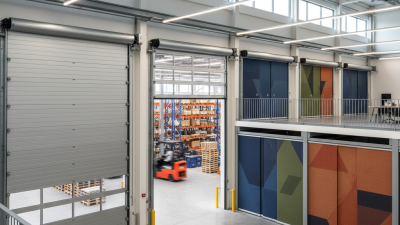
Top 10 Benefits of Using Interior Roll Up Doors for Your Space?
-
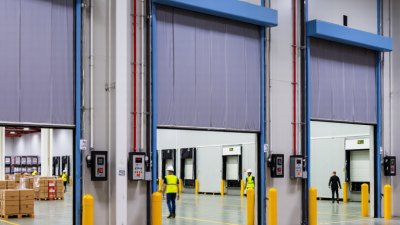
What Are the 2026 Top High Speed Roll Up Doors?
-
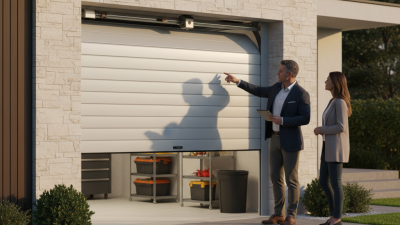
How to Choose the Best Roll Down Garage Doors for Your Needs?