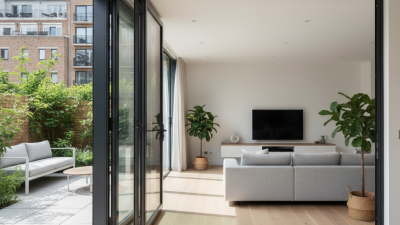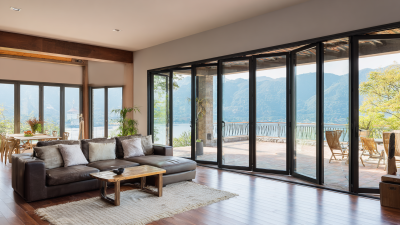
2026 Best Concertina Doors for Global Buyers

Choosing the 2026 best concertina doors takes more than comparing prices or finishes. Buyers need to match each system to its opening, daily use, and installation conditions. A kitchen doorway may need a compact, easy-to-clean option. A wide room divider brings different questions: panel weight, track support, and how much clear space remains when the doors fold back.

Architect Louis Sullivan’s design principle, “form ever follows function,” offers a useful lens for evaluating concertina doors. It is a broad architectural idea, not a product recommendation. In practice, it means checking the details before judging appearance. Measure the opening at several points. Compare track layouts, materials, hardware, and stated maintenance needs. Ask suppliers for drawings and written specifications, especially when ordering across borders. Small differences matter.

Global buyers also face varied shipping terms, installation practices, and after-sales support. Confirm what the quoted price includes, and who handles replacement parts. Do not assume that a familiar product name guarantees the same construction everywhere. It may not. Product descriptions can be thin, and photographs rarely reveal how a track performs after repeated use. That is worth admitting.

This guide compares options through practical criteria rather than a single universal winner. The right choice depends on the opening and the people using it. A careful shortlist beats a rushed order.
2026 Best Concertina Doors for Global Buyers

What Concertina Doors Are and How They Operate

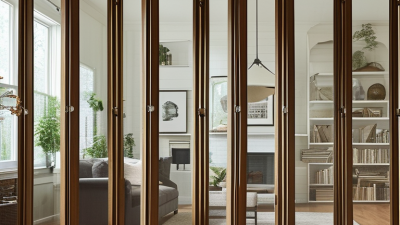
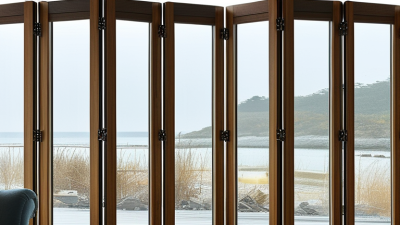
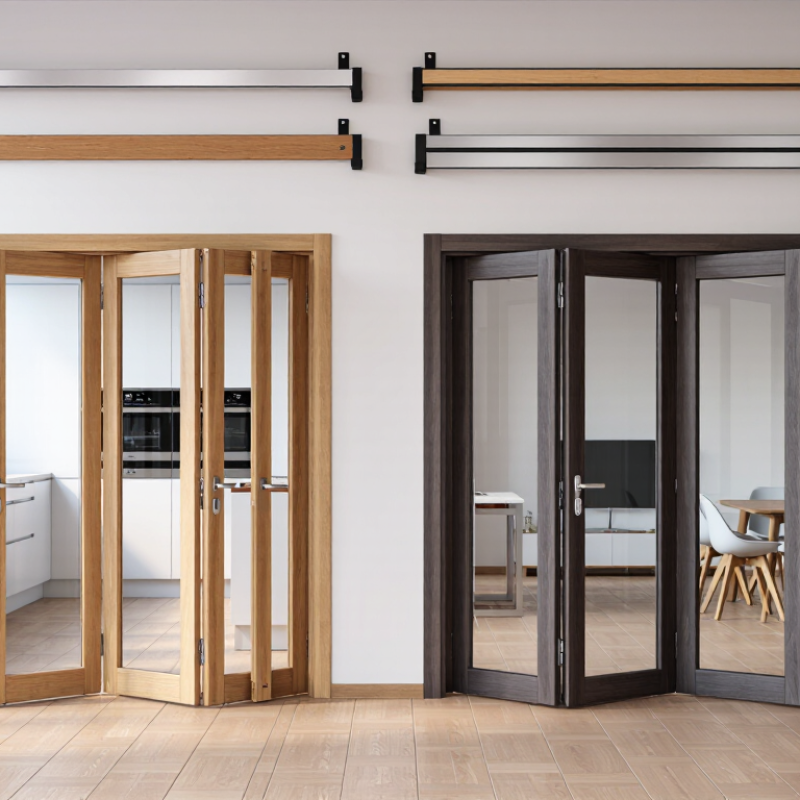
Concertina doors are folding door systems made from linked panels that gather at one side or split toward both sides. Hinges connect each panel, while rollers guide the assembly along a track. Pull the handle, and the panels fold into a compact stack; close the door, and the leaves unfold across the opening. Some systems hang from an upper track, while others use a floor track for added guidance. The difference matters: floor tracks can collect grit, while top-hung designs depend on a well-supported header.

For glazed panels, energy performance deserves attention. The U.S. Department of Energy reports that heat gain and loss through windows account for about 25–30% of residential heating and cooling energy use. That figure is not a direct estimate for concertina doors, but it shows why glass area, seals, and frame insulation matter. Check the specified whole-door performance, not just the glass rating. A draft at the meeting stile can undo an otherwise tidy installation. It happens.

Tips: Measure the finished opening at several points, since walls are rarely perfectly square. Ask how the rollers, hinges, and weather seals can be inspected or replaced. Slide a sample panel through its full travel; a smooth showroom display may not reveal a weak track or awkward handle. The detail I would recheck is drainage near the sill. It is easy to overlook.

Main Concertina Door Types, Materials, and Configurations

Concertina doors differ by purpose. Lightweight interior models use linked panels that fold to one side, creating a wider opening than a standard hinged door. They suit room dividers, utility areas, and compact storage spaces. Many use PVC or timber-look panels. They are easy to handle, but may offer less sound control than solid hinged doors. Check the panel joints and top track before choosing.

Security versions use interlocking metal slats that stack tightly when open. Aluminum keeps the assembly relatively light, while steel can provide a sturdier feel. Coatings matter, especially in damp or coastal locations; inspect edges and fixings, not just the visible face. Small details matter. A sample finish can look different under warehouse lighting.

Configurations include single-sided or centre-opening layouts, manual or assisted operation, and straight or curved tracks where the system allows. Measure the clear opening, headroom, and space needed for the folded stack. For busy routes, consider how quickly the door opens and whether the track could catch debris. Glazed inserts can admit daylight, though they add weight and require suitable panel support. Measure twice. On uneven floors, a perfect drawing can still disappoint, so confirm site conditions before ordering.

2026 Best Concertina Doors for Global Buyers — Main Types, Materials, and Configurations

Representative material densities help compare one basic material property when evaluating concertina door options.

Approximate material densities: PVC 1.38, softwood 0.50, hardwood 0.75, aluminum 2.70, and steel 7.85 g/cm³. Actual values vary by grade, alloy, moisture content, and product construction; density alone does not determine a door’s finished weight or performance.

Key Factors for Choosing Concertina Doors in 2026

Choosing concertina doors in 2026 starts with the opening, not the catalogue photo. Measure the clear width, headroom, and floor level; even a small slope can affect smooth folding. Check whether panels stack to one side or split in the middle, and leave room for handles and traffic. Measure twice. For exposed sites, compare frame and hardware corrosion resistance, drainage details, and replacement-part availability. These details matter more than a low purchase price when doors face salt air, heavy rain, or daily use.

Thermal performance deserves equal attention. The United Nations Environment Programme’s Global Status Report for Buildings and Construction 2024 estimates that buildings consume 32% of global energy and produce 34% of energy-related carbon emissions. That makes a door’s seals, glazing, and frame design relevant to operating costs, though results depend on climate and installation. The U.S. Department of Energy explains that a lower U-factor means less heat transfer; compare tested ratings where available. Ask suppliers for the test method and configuration, not just a headline figure. Also check acoustic performance, cleaning access, and the stated cycle life of rollers and hinges. A perfect specification on paper can still disappoint if local service is hard to reach. I would verify the installation tolerance with the installer before ordering.

2026 Best Concertina Doors for Global Buyers - Key Factors for Choosing Concertina Doors in 2026

Buying factor Options or data to compare What to check Best suited to
Frame material Aluminium, uPVC, timber, or steel Compare structural requirements, maintenance, finish, corrosion exposure, and the complete system’s tested performance. Material alone does not determine door quality. Aluminium: slim-frame designs and larger openings. uPVC: low-maintenance residential projects. Timber: natural appearance. Steel: projects requiring a robust frame, subject to weight and corrosion considerations.
Panel configuration Number of leaves; panels folding to one side or split to both sides Confirm the stacking direction, parked-panel position, operating sequence, and clear opening after panels are folded back. One-sided stacking can suit openings with a clear wall area at one end. Split stacking can balance the panel stacks where suitable space is available on both sides.
Opening size and structure Width, height, panel size, and total system weight Provide measured structural opening dimensions and ask for the allowable panel sizes and required support. The lintel, jambs, and floor must accommodate the system loads. All projects, especially wide openings and renovations where existing structure or floor levels may limit the design.
Thermal performance Whole-door U-factor or U-value, glazing specification, frame design, and seals Compare declared test results using the same units and test method. Check whether the rating applies to the complete door, including frame and glazing, rather than a single component. Heated or cooled spaces, cold climates, and projects with energy-performance requirements.
Air and water resistance Tested air-leakage and water-penetration performance for the complete assembly Request test documentation for a configuration comparable to the proposed size and layout. Pay attention to seals, drainage paths, sill details, and installation conditions. Exposed façades, rainy climates, and buildings where drafts or water ingress would be a concern.
Wind-load capacity Project-specific design pressure and tested system capacity Have the required wind pressure established for the building location and exposure. Confirm that the tested size, reinforcement, fixing method, and installation match the project. High-rise buildings, coastal locations, and other sites with significant wind exposure.
Glazing and safety Single or insulating glass; safety-glass type and thickness as locally required Specify glazing based on location, impact risk, thermal needs, and applicable building rules. Ask for the glass build-up and supporting product documentation. Doors beside floors, circulation routes, or other locations where safety-glazing rules may apply.
Threshold and accessibility Standard, low, or flush threshold; drainage and weather-sealing details Balance step-free access with water management and the site’s floor and exterior levels. Confirm that the proposed detail is suitable for the exposure and installation. Accessible routes, patios, and indoor-outdoor connections; exposed locations need careful drainage design.
Hardware and operation Hinges, rollers, locking points, handles, and operating configuration Check ease of operation, adjustment access, replacement-part availability, security requirements, and the supplier’s maintenance instructions. Frequently used openings and projects where local servicing or spare parts are important.
Finish and environment Coating or finish, colour, and suitability for the local climate Confirm the specified finish, cleaning requirements, and suitability for moisture, salt exposure, sunlight, and temperature conditions at the site. Coastal, humid, high-sunlight, or otherwise demanding environments.
Standards and documentation Applicable local building rules, test reports, installation instructions, and warranty terms Requirements differ by destination market. Verify that documentation and product testing meet the rules for the project location and that warranty coverage applies there. International procurement and projects subject to local energy, safety, structural, or weather-performance regulations.
Delivery and installation Manufacturing schedule, shipping method, packaging, site access, and installer capability Confirm lead time in writing, delivery terms, protection during transport, unloading needs, installation tolerances, and who is responsible for commissioning. Cross-border orders, remote sites, and projects with fixed construction or handover dates.

Buyer note: Performance values and approvals are product- and configuration-specific. Request current test reports for the proposed door size, glazing, hardware, and installation details, and verify local code requirements before ordering.

Installation, Safety, and Maintenance Requirements

2026 Best Concertina Doors for Global Buyers

Installation, Safety, and Maintenance Requirements

A reliable installation starts with a sound, level header and fixings suited to the wall material. Measure the clear opening with the panels fully stacked; the folded leaves can take up more space than expected. Keep floor tracks flush where possible, and check that no threshold catches shoes or mobility aids. WHO’s 2022 Global report on health equity for persons with disabilities estimates that 1.3 billion people, or 16% of the global population, experience significant disability. That figure is a useful reminder to assess access, not just appearance. Small gaps matter.

During handover, test the door through its full travel. Watch for panels that swing, scrape, or create finger-trap points at hinges and jambs. Secure the panels against unintended movement, and follow the supplier’s instructions for any locks or safety devices. OSHA’s walking-working-surface rules call for regular inspection and prompt correction of hazardous conditions; the same discipline helps keep tracks and approaches clear. Exact inspection intervals depend on use and site conditions.

Global Sourcing, Standards, and Supplier Evaluation

Global sourcing for concertina doors starts with the opening, not the catalogue. Record the clear width, ceiling height, stack-back space, floor level, and expected daily use. Then specify panel material, track type, hardware, and cleaning needs. A door that fits a sample opening may bind when a real wall is uneven. Small gaps matter.

The World Bank’s 2023 Logistics Performance Index compares 139 countries across six areas, including customs, infrastructure, and shipment timeliness. Use those factors when assessing a supplier’s delivery plan, not just its quoted lead time. Ask for dated production schedules, packaging details, spare-parts availability, and shipment records.

The OECD’s 2022 Trade Facilitation Indicators cover 163 economies and 11 policy areas; they underline how border procedures can affect delivery predictability. For product checks, request test reports that match the intended use and destination market. Applicable requirements differ by installation, especially for fire performance, acoustic claims, or public buildings.

ISO 9001 certification can indicate a quality-management system, but it does not prove that a specific door meets local product requirements. Compare approved samples against drawings and inspect track alignment, panel joints, and hardware before shipment. One weak point remains: supplier documents can look complete while overlooking site conditions.