
- High-Performance Doors
-
- Applications
-
-
-
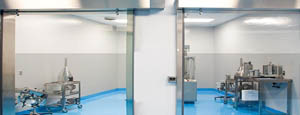
- Clean Room
Stainless steel or composite materials help maintain clean rooms.
-
-
- Coolers
Quick opening speeds & tight seals for temperature control.
-
-
- Parking
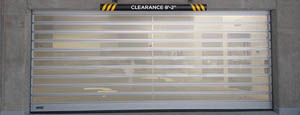
Improve security & traffic flow and enhance architectural style.
-
-
- Hurricane Zone
Withstand winds up to 175 mph and comply with the Florida Building Code.
-
-
-
-
- USDA / FDA / cGMP
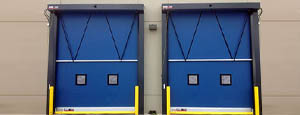
Increase productivity & address stringent USDA, FDA & cGMP requirements.
-
-
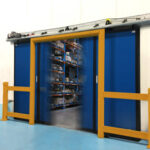
- Freezers
High-speed & perimeter seals minimize the air exchange between areas.
-
-
- Security
High speed & durability ensure secure access.
-
-
- Ventilation
Perforated or screen door panels allow improved air circulation.
-
-
-
-
- Fire Station Emergency Response
When time is of the essence, high speed and reliability are crucial.
-
-
- Warehousing
Fast cycle times and secure seals keep environments separated.
-
-
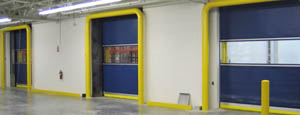
- Loading Dock
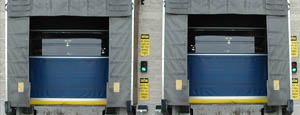
Rugged design & secure seal for oversized openings.
-
-
- Large Openings
Break-away functionality with rugged design seals oversized openings.
-
-
-
-
- Heavy Equipment
Withstands challenges of heavy equipment and fleet truck/car wash environments.
-
-
- Self-Storage
Fast opening speeds and reliable, durable construction keep facilities secure and protected.
-
-
- Industries
-
-
-
- Automotive Dealerships
Reduce energy costs, increase productivity and comfort and enhance customer perception.
-
-
- Cold Storage & Processing
Increase productivity and operational efficiency while reducing energy and maintenance costs.
-
-
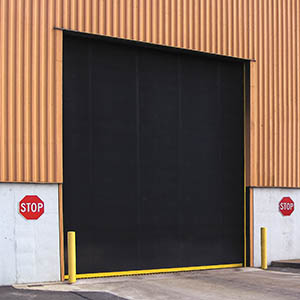
- Parking
We offer solutions for Apartment / Condo & Loft, Standalone Parking Facilities and Office Buildings
-
-
-
-
- Food & Beverage
Doors specifically engineered for USDA/FDA and cGMP environments, and assured compliance for uncompromising performance.
-
-
- Mfg/Dist/Warehousing
A complete product line allows facilities to increase efficiency and safety and reduce maintenance and energy costs.
-
-
- Government
Ensure effective security and environmental controls are maintained for critical government operations.
-
-
-
-
- Transit
Keep operations running smoothly and efficient while reducing energy and maintenance costs.
-
-
- Pharma, Nutraceutical & Biotech
Doors that offer quick, secure access, environmental control and reliability for life science facilities.
-
-
- Support Resources
- Parts
- Contact Us
- Blog/News
- Why Rytec
- Sales Rep Locator
- Careers
- Dealers
- Architectural Resources



















Top Wood Mill Trends for 2026 What Buyers Should Know?
As the wood mill industry evolves, understanding its trends is crucial for buyers. Experts like John Whitfield, a seasoned wood processing consultant, emphasize this importance. He states, "Staying informed about wood mill innovations can shape your purchasing decisions."
The upcoming trends for 2026 highlight the significance of sustainability and innovative technology. Buyers need to be aware of eco-friendly practices that wood mills are adopting. From efficient production methods to waste reduction techniques, these advancements will influence market dynamics. Buyers should evaluate how these trends align with their business goals.
There's also the challenge of navigating these changes. Not all wood mills will adapt equally to evolving demands. This inconsistency could impact supply chains and pricing. Therefore, it's essential for buyers to look beyond mere costs. Focusing on long-term partnerships with reliable wood mills may ensure better outcomes.
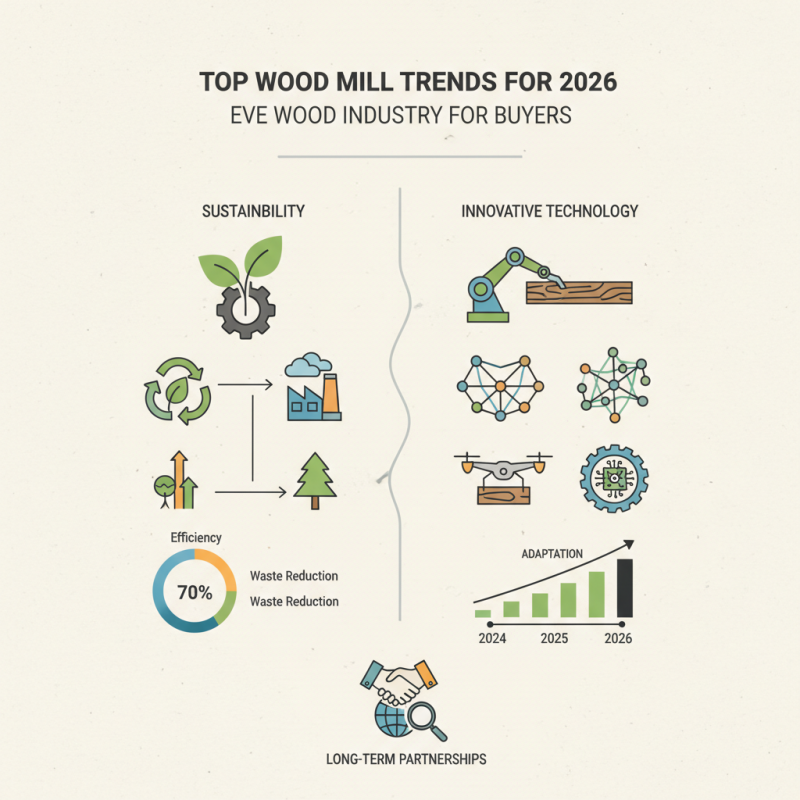
Table of Contents [Hide]
Emerging Technologies Transforming Wood Milling Operations by 2026
The wood milling industry is rapidly evolving due to emerging technologies. By 2026, automation and artificial intelligence will play significant roles. A report from Grand View Research indicates that the global wood processing market could reach $646.24 billion by 2027, driven by advancements in technology. These innovations will enhance efficiency, reduce waste, and improve precision.
With the integration of IoT devices, mills will gain real-time insights into production processes. This can lead to smarter decision-making and better resource management. For buyers, understanding these technologies is crucial. Some mills will likely become obsolete if they do not adapt quickly. Enhancements such as CNC machines will enable greater customization while maintaining high productivity levels.
Tip: Invest in training sessions for your staff. Effective use of new technologies often requires a change in workflow. Another key point is to develop strategic partnerships with technology providers. Collaborating can lead to insights and innovations that drive competitiveness. Embrace change, but evaluate every technology critically. Not all solutions will suit every operation. Consider the long-term impacts before implementing new systems.