Why Is My Door Opener Not Working?

Why Is My Door Opener Not Working? This question often begins with a small mystery: the wall button clicks, the motor hums, but the garage door stays still. Sometimes the remote is the problem. Sometimes the opener is only revealing a deeper issue with the door, tracks, springs, or sensors.

Tom Wadsworth, a longtime garage-door industry educator, offers a useful troubleshooting principle: “The opener is often blamed first, but the door itself may be the real problem.” That observation matters because a door opener should lift a balanced door, not fight excessive weight. A quick inspection can reveal practical clues, such as a blinking sensor light, a loose emergency-release cord, worn remote batteries, or a door that feels unusually heavy by hand.

Start with simple checks. Confirm the opener has power. Test the wall control. Clean the photo-eye lenses and make sure both sensors face each other. Listen carefully. A single click suggests something different from a grinding motor. Do not adjust springs or remove protective covers without proper training. Those components can store dangerous energy.

I have learned that troubleshooting is rarely perfectly linear. A reset may restore operation briefly, then fail again. That is not a complete repair. Manufacturer instructions, service records, and a qualified technician provide stronger evidence than guesswork. This guide examines common door opener failures, safe checks, repair boundaries, and signs that replacement may be more sensible. Small details matter. One overlooked sensor can stop the entire system.

Why Is My Door Opener Not Working?

What a Nonworking Door Opener Usually Indicates

Why Is My Door Opener Not Working?

A nonworking door opener usually indicates a power, control, or safety-sensor problem. Check the outlet, breaker, wall button, and remote battery before touching the door hardware. If the motor makes no sound, the electrical supply or internal control board may be involved. A flashing sensor light can indicate misalignment, dust, or a damaged wire. Wipe both lenses and confirm they face each other.

If the opener runs but the door stays closed, the trolley may be disconnected, or the drive system may have failed. A door that feels unusually heavy points to a broken spring or cable, not necessarily an opener fault. Do not adjust springs yourself. Their stored tension can cause severe injuries. The U.S. Consumer Product Safety Commission’s NEISS-based injury estimates have historically linked about 20,000 garage-door injuries to emergency treatment each year. The figure covers door-related incidents broadly, but it shows why diagnosis matters.

DASMA Technical Data Sheet 167 recommends regular opener maintenance and monthly reversal testing. Place a solid object under the closing door, then check whether the door reverses immediately. If it does not, stop using the opener. A reset may restore movement temporarily, but it can hide worn gears or incorrect travel limits. That assumption is easy—and sometimes wrong. A qualified technician should inspect unusual noise, uneven movement, loose cables, or repeated sensor failures. Record what happened before service: power loss, clicking sounds, partial travel, or a remote that works only nearby. Those small details often shorten the repair process.

How to Check the Power Supply and Remote Controls

Why Is My Door Opener Not Working?

When a door opener suddenly stops, check the power supply before blaming the motor. Stand near the wall unit and look for its indicator light. If the light is dark, test the outlet with a lamp or another small appliance. A tripped breaker may also interrupt power, especially after a storm. Reset it once, but do not repeatedly force the switch. Inspect the power cord for cuts, loose plugs, or heat damage. Unplug the opener before touching the cord. If the outlet remains dead, contact a qualified electrician rather than removing the cover.

The remote control needs a separate check. Replace its batteries, even if the small light still flashes. Weak batteries can send an unreliable signal. Press the wall control, then try the remote from a few feet away. If the wall control works, reprogramming the remote may be necessary. Follow the opener’s manual carefully, because programming steps differ between systems. Keep the remote away from metal boxes and thick walls during testing.

I once assumed a remote was broken because it worked only beside the door. The real problem was a nearly empty battery. That experience was a useful reminder: simple checks can expose misleading symptoms. If neither control responds after power and battery checks, stop testing. A damaged receiver, loose wiring, or failed safety circuit may require professional diagnosis. Never bypass safety sensors or force the door by hand.

How to Inspect the Wall Switch, Sensors, and Wiring

Why Is My Door Opener Not Working?

How to Inspect the Wall Switch, Sensors, and Wiring

When a door opener stops responding, start at the wall switch. Press it firmly and listen for a click or motor sound. If nothing happens, check whether the switch feels loose, cracked, or unusually warm. A warm switch needs prompt professional attention. Do not remove its cover while power is connected. Turn off the circuit before inspecting visible wiring. A licensed electrician should handle uncertain connections.

Next, examine the safety sensors near the floor. Both units should face each other directly and sit at the same height. Wipe their lenses with a dry, soft cloth. Check for cobwebs, dust, or a storage box blocking the beam. Look for steady indicator lights, if present. Misalignment can be surprisingly minor. A small bump from a broom may be enough.

Inspect the low-voltage wires running to the sensors and wall switch. They should remain firmly attached, without cuts, crushed sections, or exposed copper. Gently check only the insulated cable, never live terminals. I once blamed the motor before noticing a wire pulled partly from its connector. That mistake was simple, but avoidable. If resetting the switch and realigning the sensors changes nothing, stop testing and arrange a qualified service inspection.

Why Is My Door Opener Not Working?

Use these typical reference readings to inspect the wall switch, safety sensors, and wiring. Values can vary by opener model, so confirm them in the equipment manual before testing.

Inspection guide: A household receptacle should be close to its rated supply voltage, while wall-control and sensor circuits normally use low-voltage power. With power disconnected, a functioning switch or continuous wire should measure close to 0 ohms when closed. Turn off power before inspecting wiring, and do not bypass the safety sensors.

How to Identify Mechanical Problems in the Door System

Why Is My Door Opener Not Working?

How to Identify Mechanical Problems in the Door System

A silent opener does not always mean the motor has failed. The door itself may be binding, misaligned, or unusually heavy. Before testing anything, disconnect electrical power and use the manual release. Lift the door slowly by hand. It should move smoothly and remain near the halfway position.

If it drops, rises, or feels heavy, the spring system may need professional attention.

Inspect the tracks for dents, loose fasteners, or trapped dirt. A small bend can make the rollers scrape and stop the door. Examine each roller for cracks or worn edges. Listen for grinding near the hinges. Check the lifting cables for slack, fraying, or uneven tension.

Do not adjust springs or cables yourself. They store dangerous force.

Look at the door’s lower edge and the floor beneath it. A warped panel or swollen seal can create resistance. Test the door in several positions, not only when fully closed. That detail matters.

A common mistake is blaming the opener after seeing one failed cycle. I have found that repeated stops often come from friction, not electronics.

Still, the diagnosis can be imperfect. Temperature, moisture, and recent impact may change the symptoms. If the door jerks, slams, or feels heavier than usual, stop using the opener until a qualified technician checks the mechanical system.

When to Repair the Opener Yourself or Call a Professional

Why Is My Door Opener Not Working?

When to Repair the Opener Yourself or Call a Professional

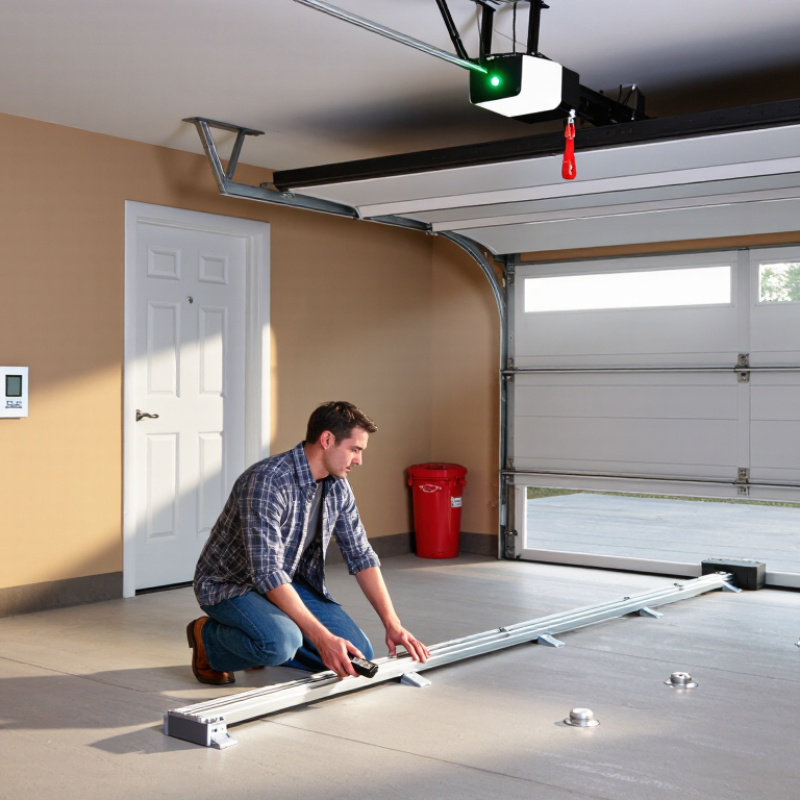
A silent door opener often needs a simple check, not immediate replacement. Stand inside the garage and test the wall control. Check whether the opener has power and whether the outlet switch was accidentally turned off. Replace weak remote batteries, then inspect the photo-eye sensors near the floor. They should face each other, with clean lenses and steady lights. A small cobweb can interrupt the signal.

You can safely adjust loose sensor brackets or reconnect a visible power cord. You may also lubricate the door’s rollers and hinges with a suitable garage-door lubricant. Do not force the door by pulling the emergency release unless it is fully closed. A heavy door can drop suddenly. It can hurt someone.

Call a qualified professional when the door is crooked, unusually heavy, or stuck halfway. Broken springs, frayed cables, grinding sounds, and damaged tracks need trained inspection. Never wind or remove a torsion spring yourself. It stores dangerous tension. Electrical faults also deserve professional attention, especially after water exposure or burning smells. I have learned that quick fixes can hide worn hardware. Taking a short video of the problem can help the technician identify patterns, but it cannot replace an in-person safety check.

Why Is My Door Opener Not Working? — When to Repair the Opener Yourself or Call a Professional

Symptom Likely Cause Safe First Checks DIY Repair or Professional Help? Safety Level Recommended Action
The opener is completely unresponsive Power interruption, tripped circuit breaker, disconnected power cord, or failed wall control. Confirm the opener is plugged in, test the outlet with another device, and check the garage electrical panel. DIY if the issue is a reset or loose plug. Call a professional if the outlet, wiring, or opener control board appears faulty. Medium Do not remove the opener cover while it is connected to power.
The remote does not operate the door Weak battery, lost programming, excessive distance, or damaged remote. Replace the battery, move closer to the opener, and try the interior wall control. Usually DIY. Professional help is appropriate if every remote and wall control fails. Low Use the correct battery type and keep the remote away from moisture.
The wall control works, but the remote does not Dead remote battery, remote programming issue, or damaged remote transmitter. Install a fresh battery and reprogram the remote according to the opener’s manual. DIY in most cases. Replace the remote if reprogramming does not work. Low Do not bypass the opener’s security or safety features.
The door starts closing and then reverses Misaligned or blocked photoelectric safety sensors, dirty lenses, or excessive door resistance. Remove objects from the doorway, clean both sensor lenses, and verify that the sensors face each other. Sensor cleaning and alignment are generally DIY. Call a professional if the door still reverses or the sensors are damaged. High Never disable or permanently bypass the safety sensors.
The motor runs, but the door does not move Disconnected trolley, worn drive gear, broken chain or belt connection, or a disengaged carriage. Check whether the emergency-release cord was pulled and reconnect the trolley only when the door is fully closed. Re-engaging a disconnected trolley may be DIY. Internal gear, belt, or chain repairs should be handled by a professional. High Keep hands clear of the rail, trolley, and moving door components.
The opener makes grinding, clicking, or loud rattling noises Loose hardware, worn rollers, damaged gears, inadequate lubrication, or a failing motor assembly. Observe the noise without touching moving parts and tighten only accessible mounting hardware with the power disconnected. Professional inspection is recommended. Grinding may indicate internal mechanical damage. High Stop using the opener if the noise is sudden, severe, or accompanied by shaking.
The door is heavy or difficult to lift manually Broken or weakened torsion or extension spring, damaged cables, bent track, or binding hardware. With the opener disconnected, stop if the door feels unusually heavy or will not stay balanced. Call a professional. Springs and lift cables store substantial energy and can cause serious injury. High Do not adjust, remove, or replace garage-door springs or cables yourself.
The door opens only a few inches Obstruction, binding door, incorrect travel setting, damaged track, or inadequate spring support. Inspect the track for visible obstructions and check whether the door moves smoothly by hand with the opener disconnected. Basic obstruction removal may be DIY. Call a professional if the door binds, feels heavy, or the track is damaged. High Do not repeatedly operate the opener when the door is binding.
The door closes too far or leaves a gap Incorrect travel-limit setting, misaligned track, worn rollers, or a change in door balance. Check for visible obstructions and consult the manual before changing travel limits. Minor manufacturer-approved adjustments may be DIY. Professional service is safer when the door is unbalanced or misaligned. Medium Test the door’s reversal function after any adjustment.
The opener light works, but the motor does not Failed motor capacitor, overheating protection, circuit-board fault, or internal motor failure. Allow the unit to cool, confirm the outlet has power, and try the wall control once. Call a professional. Electrical and motor components require proper testing and replacement procedures. High Disconnect power before any inspection beyond external checks.
The opener works intermittently Loose electrical connection, overheating, failing circuit board, interference, or worn mechanical parts. Record when the failure occurs and check the power cord, outlet, remote battery, and sensor alignment. External checks are DIY. Recurring or heat-related failures require professional diagnosis. Medium Stop using the opener if it smells hot, sparks, or trips the breaker.
The door is off the track or visibly crooked Broken roller, damaged track, loose hardware, impact damage, or cable problem. Stop operating the opener and keep people and vehicles away from the door. Call a professional immediately. Track and cable repairs can allow the door to fall unexpectedly. High Do not force the door back onto the track or remove cables.
The safety reverse test fails Incorrect sensor alignment, failed safety sensor, incorrect travel setting, or control-system fault. Place a suitable test object in the door’s path and verify that the door reverses without contact, following the manual’s instructions. Call a professional if cleaning and alignment do not correct the problem. High Do not use the opener until the safety-reversal system functions correctly.

General rule: Homeowners can usually handle batteries, remote programming, sensor cleaning, and simple visual checks. Repairs involving springs, cables, electrical components, structural alignment, or a door that is heavy or off-track should be performed by a qualified professional.