
- High-Performance Doors
-
- Applications
-
-
-
- Clean Room
Stainless steel or composite materials help maintain clean rooms.
-
-
- Coolers
Quick opening speeds & tight seals for temperature control.
-
-
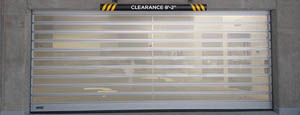
- Parking
Improve security & traffic flow and enhance architectural style.
-
-
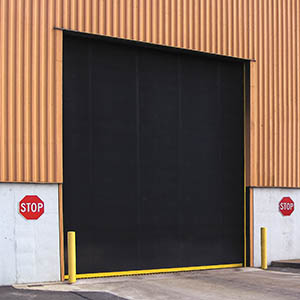
- Hurricane Zone
Withstand winds up to 175 mph and comply with the Florida Building Code.
-
-
-
-
- USDA / FDA / cGMP
Increase productivity & address stringent USDA, FDA & cGMP requirements.
-
-
- Freezers
High-speed & perimeter seals minimize the air exchange between areas.
-
-
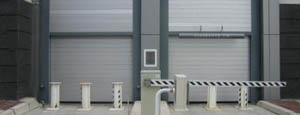
- Security
High speed & durability ensure secure access.
-
-
- Ventilation
Perforated or screen door panels allow improved air circulation.
-
-
-
-
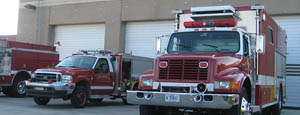
- Fire Station Emergency Response
When time is of the essence, high speed and reliability are crucial.
-
-
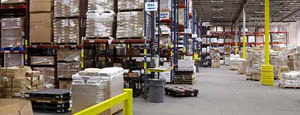
- Warehousing
Fast cycle times and secure seals keep environments separated.
-
-
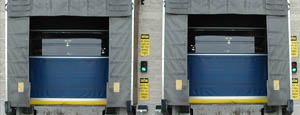
- Loading Dock
Rugged design & secure seal for oversized openings.
-
-
- Large Openings
Break-away functionality with rugged design seals oversized openings.
-
-
-
-
- Heavy Equipment
Withstands challenges of heavy equipment and fleet truck/car wash environments.
-
-
- Self-Storage
Fast opening speeds and reliable, durable construction keep facilities secure and protected.
-
-
- Industries
-
-
-
- Automotive Dealerships
Reduce energy costs, increase productivity and comfort and enhance customer perception.
-
-
- Cold Storage & Processing
Increase productivity and operational efficiency while reducing energy and maintenance costs.
-
-
- Parking
We offer solutions for Apartment / Condo & Loft, Standalone Parking Facilities and Office Buildings
-
-
-
-
- Food & Beverage
Doors specifically engineered for USDA/FDA and cGMP environments, and assured compliance for uncompromising performance.
-
-
- Mfg/Dist/Warehousing
A complete product line allows facilities to increase efficiency and safety and reduce maintenance and energy costs.
-
-
- Government
Ensure effective security and environmental controls are maintained for critical government operations.
-
-
-
-
- Transit
Keep operations running smoothly and efficient while reducing energy and maintenance costs.
-
-
- Pharma, Nutraceutical & Biotech
Doors that offer quick, secure access, environmental control and reliability for life science facilities.
-
-
- Support Resources
- Parts
- Contact Us
- Blog/News
- Why Rytec
- Sales Rep Locator
- Careers
- Dealers
- Architectural Resources

















Why Choose a Spray Hose for Industrial Applications?
In industrial environments, fluid transfer is rarely as simple as connecting a pipe. A hose may face pressure, heat, abrasion, chemicals, or constant movement. This is where a Spray Hose can offer practical control and dependable delivery. Designed for spraying water, cleaning agents, coatings, or other approved fluids, it supports tasks that demand reach and flexibility. Operators can guide the stream around machinery, platforms, and narrow work areas. Less rigid than fixed piping. More adaptable on the factory floor.
Choosing the right model requires more than checking diameter. Experienced maintenance teams examine working pressure, temperature range, fluid compatibility, bend radius, and coupling quality. A hose that feels strong may still fail when exposed to the wrong chemical or repeated flexing. Manufacturers and safety specialists commonly recommend reviewing technical data sheets and actual operating conditions before purchase. In practice, a reinforced Spray Hose can reduce handling strain and limit unexpected downtime, but only when its construction matches the application. Small details matter, including storage, inspection, and proper fitting.
This guide explores why industrial users choose spray hoses and where their advantages become clear. It also considers limitations that are easy to overlook. No product is universally suitable. A hose may kink, wear, or lose performance when maintenance is treated as an afterthought. Regular checks for cracks, swelling, leaks, and damaged couplings help reveal problems early. Still, selection decisions should be reviewed honestly, especially when conditions change. The goal is not simply stronger spraying. It is safer, more efficient fluid handling supported by informed judgment and reliable equipment.
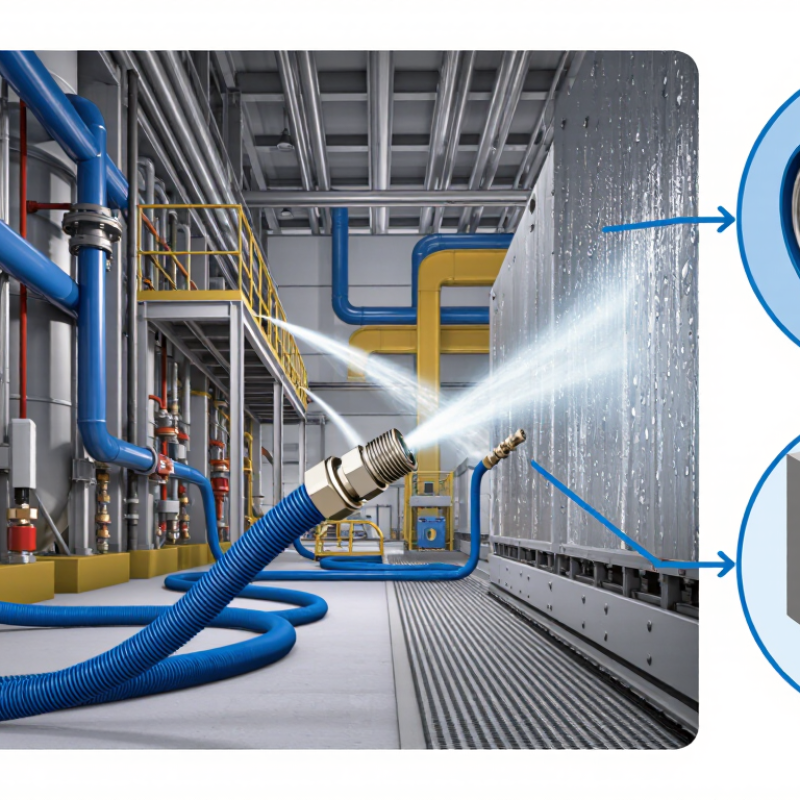
Table of Contents [Hide]
What Is a Spray Hose and How Does It Work?
A spray hose is a flexible industrial line that carries liquid, air, or mixed fluid to a spray device. Its inner tube contacts the material, while reinforcement layers resist pressure and stretching. An outer cover protects against abrasion, sunlight, oil, and changing temperatures. Some hoses feel soft in the hand, but their internal structure can be highly engineered.
A pump pushes fluid through the hose. When the spray gun valve opens, pressure moves the fluid toward the nozzle. The nozzle then breaks the flow into controlled droplets or a focused stream. Droplet size depends on pressure, fluid thickness, nozzle design, and hose condition. In practical maintenance work, uneven spray often points to a blocked nozzle, trapped air, or a damaged hose. Pressure alone is not always the answer. A hose that exceeds its bend radius may weaken quietly, which is easy to overlook.
Tips: Check pressure and temperature ratings before use. Confirm chemical compatibility with the hose material. Inspect fittings, cuts, bulges, and soft spots before every shift. Keep the hose away from sharp edges and hot surfaces. Drain and clean it according to the fluid’s requirements. Replace questionable assemblies rather than relying on tape or temporary repairs. Record inspection dates, because memory becomes unreliable during busy production periods.