
- High-Performance Doors
-
- Applications
-
-
-
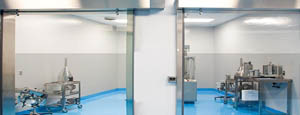
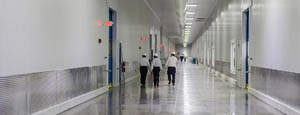
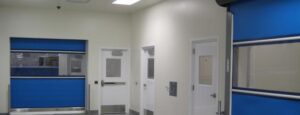
- Clean Room
Stainless steel or composite materials help maintain clean rooms.
-
-
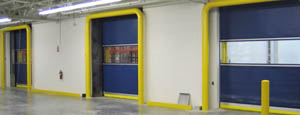
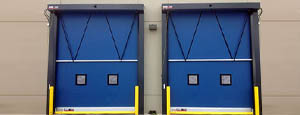
- Coolers
Quick opening speeds & tight seals for temperature control.
-
-
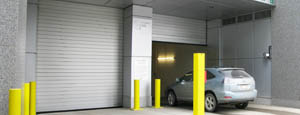
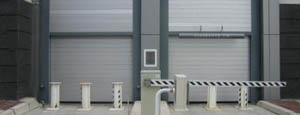
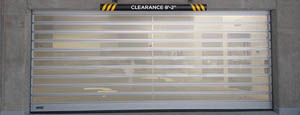
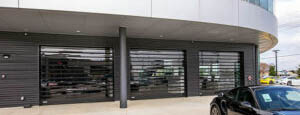
- Parking
Improve security & traffic flow and enhance architectural style.
-
-
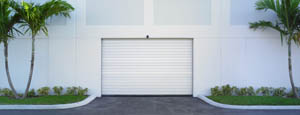
- Hurricane Zone
Withstand winds up to 175 mph and comply with the Florida Building Code.
-
-
-
-
- USDA / FDA / cGMP
Increase productivity & address stringent USDA, FDA & cGMP requirements.
-
-
- Freezers
High-speed & perimeter seals minimize the air exchange between areas.
-
-
- Security
High speed & durability ensure secure access.
-
-
- Ventilation
Perforated or screen door panels allow improved air circulation.
-
-
-
-
- Fire Station Emergency Response
When time is of the essence, high speed and reliability are crucial.
-
-
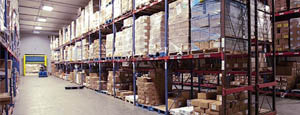
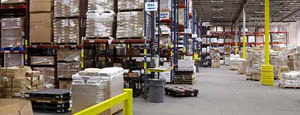
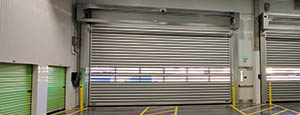
- Warehousing
Fast cycle times and secure seals keep environments separated.
-
-
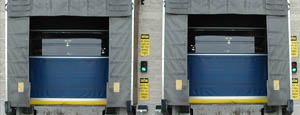
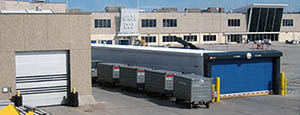
- Loading Dock
Rugged design & secure seal for oversized openings.
-
-
- Large Openings
Break-away functionality with rugged design seals oversized openings.
-
-
-
-
- Heavy Equipment
Withstands challenges of heavy equipment and fleet truck/car wash environments.
-
-
- Self-Storage
Fast opening speeds and reliable, durable construction keep facilities secure and protected.
-
-
- Industries
-
-
-
- Automotive Dealerships
Reduce energy costs, increase productivity and comfort and enhance customer perception.
-
-
- Cold Storage & Processing
Increase productivity and operational efficiency while reducing energy and maintenance costs.
-
-
- Parking
We offer solutions for Apartment / Condo & Loft, Standalone Parking Facilities and Office Buildings
-
-
-
-
- Food & Beverage
Doors specifically engineered for USDA/FDA and cGMP environments, and assured compliance for uncompromising performance.
-
-
- Mfg/Dist/Warehousing
A complete product line allows facilities to increase efficiency and safety and reduce maintenance and energy costs.
-
-
- Government
Ensure effective security and environmental controls are maintained for critical government operations.
-
-
-
-
- Transit
Keep operations running smoothly and efficient while reducing energy and maintenance costs.
-
-
- Pharma, Nutraceutical & Biotech
Doors that offer quick, secure access, environmental control and reliability for life science facilities.
-
-
- Support Resources
- Parts
- Contact Us
- Blog/News
- Why Rytec
- Sales Rep Locator
- Careers
- Dealers
- Architectural Resources





Why Choose Sheet Stock Stained Glass for Your Project?
Choosing Sheet Stock Stained Glass can shape both the appearance and reliability of a finished project. Its flat, consistent form helps makers plan panels, lamps, cabinet inserts, and decorative windows with greater control. A sheet can be measured beside a paper pattern, marked with a glass cutter, and broken along a deliberate score. The process feels practical.
Stained-glass historian William Warmus has written, “Color is the heart of stained glass.” This idea reflects why sheet stock remains valuable. Different textures scatter daylight across a room. Cathedral glass creates clearer color, while opalescent glass produces softer, denser effects. A blue sheet near a kitchen window may look cool in the morning and surprisingly gray at dusk. Sampling matters.
Professional results also depend on more than color. Makers should inspect each sheet for bubbles, stress lines, uneven thickness, and edge damage. Experienced fabricators consider cutting direction, heat movement, and compatibility before assembly. Matching compatible glass is especially important for kiln-fired or copper-foil work. A beautiful combination can still fail if the materials respond differently.
There is no perfect sheet.
That limitation deserves attention. Some stock glass costs more than expected, and larger pieces can produce waste when patterns are poorly planned. Yet careful templates, small test cuts, and proper protective equipment reduce avoidable mistakes. Sheet Stock Stained Glass offers a balance of creative freedom, repeatable handling, and visible craftsmanship. For a project that needs controlled color, tactile texture, and dependable fabrication, it is often a sensible starting point—not an automatic answer.
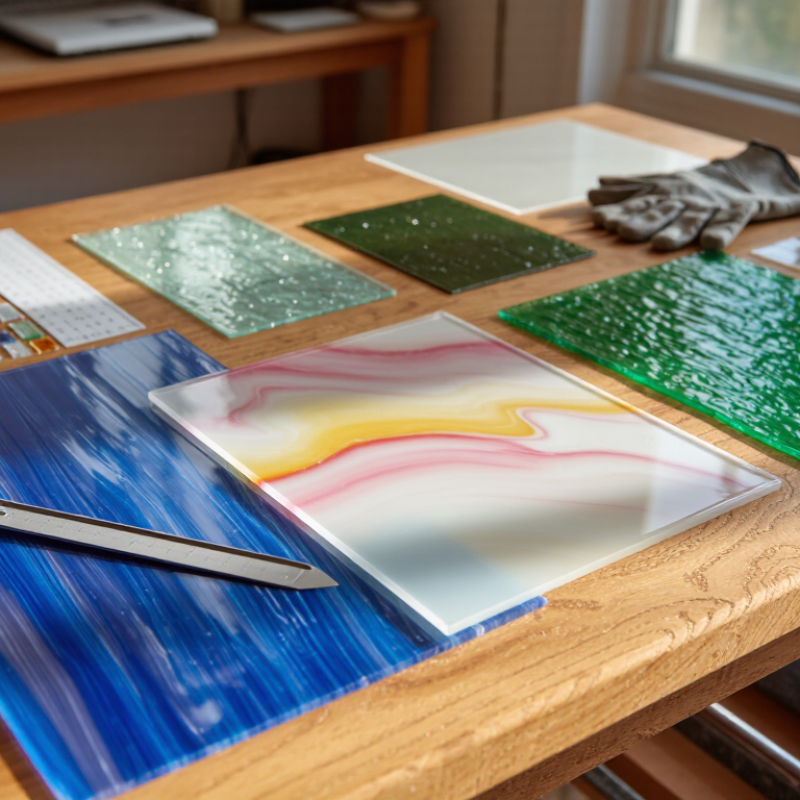
Table of Contents [Hide]
What Is Sheet Stock Stained Glass?
Sheet stock stained glass is not a finished window. It is flat glass manufactured in individual sheets, then selected, cut, shaped, and assembled into a design. Sheets may be transparent, opalescent, textured, or richly colored. Some show subtle ripples, bubbles, or uneven color. Those details create character, but they can also complicate precise cutting.
In workshop practice, makers usually combine sheet glass with copper foil or lead came. They inspect each sheet for thickness, edge damage, and surface stress before cutting. Glass intended for fusing needs compatible expansion properties, often identified by its COE rating. Do not assume every attractive sheet is suitable for every technique. That shortcut fails.
The U.S. Environmental Protection Agency’s 2020 Facts and Figures report lists glass as 4.2% of municipal solid waste generation by weight. Careful layout matters, because small offcuts quickly become waste. The U.S. Department of Energy also notes that windows can represent roughly 25% to 30% of residential heating and cooling energy use. Decorative sheet stock may not provide modern insulating performance. For exterior installations, designers should consider a protective glazing system and applicable building requirements. A common mistake is choosing color before studying light, thickness, and maintenance. The better choice may look less dramatic on the workbench. It can perform better in daylight.