
- High-Performance Doors
-
- Applications
-
-
-
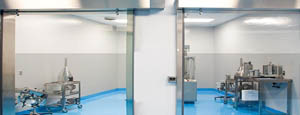
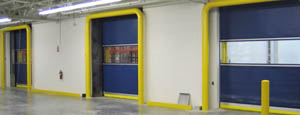
- Clean Room
Stainless steel or composite materials help maintain clean rooms.
-
-
- Coolers
Quick opening speeds & tight seals for temperature control.
-
-
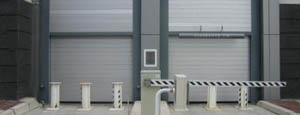
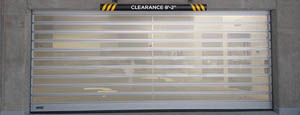
- Parking
Improve security & traffic flow and enhance architectural style.
-
-
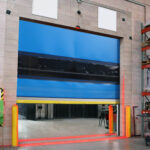
- Hurricane Zone
Withstand winds up to 175 mph and comply with the Florida Building Code.
-
-
-
-
- USDA / FDA / cGMP
Increase productivity & address stringent USDA, FDA & cGMP requirements.
-
-
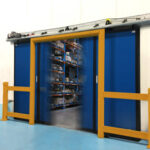
- Freezers
High-speed & perimeter seals minimize the air exchange between areas.
-
-
- Security
High speed & durability ensure secure access.
-
-
- Ventilation
Perforated or screen door panels allow improved air circulation.
-
-
-
-
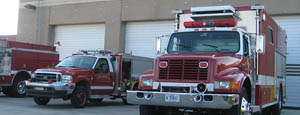
- Fire Station Emergency Response
When time is of the essence, high speed and reliability are crucial.
-
-
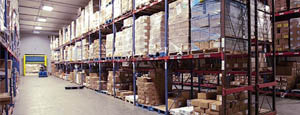
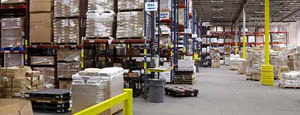
- Warehousing
Fast cycle times and secure seals keep environments separated.
-
-
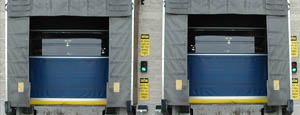
- Loading Dock
Rugged design & secure seal for oversized openings.
-
-
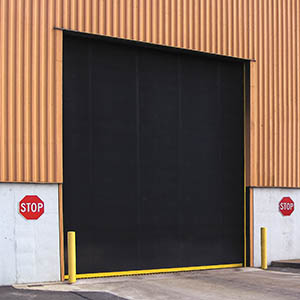
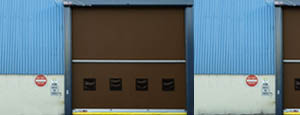
- Large Openings
Break-away functionality with rugged design seals oversized openings.
-
-
-
-
- Heavy Equipment
Withstands challenges of heavy equipment and fleet truck/car wash environments.
-
-
- Self-Storage
Fast opening speeds and reliable, durable construction keep facilities secure and protected.
-
-
- Industries
-
-
-
- Automotive Dealerships
Reduce energy costs, increase productivity and comfort and enhance customer perception.
-
-
- Cold Storage & Processing
Increase productivity and operational efficiency while reducing energy and maintenance costs.
-
-
- Parking
We offer solutions for Apartment / Condo & Loft, Standalone Parking Facilities and Office Buildings
-
-
-
-
- Food & Beverage
Doors specifically engineered for USDA/FDA and cGMP environments, and assured compliance for uncompromising performance.
-
-
- Mfg/Dist/Warehousing
A complete product line allows facilities to increase efficiency and safety and reduce maintenance and energy costs.
-
-
- Government
Ensure effective security and environmental controls are maintained for critical government operations.
-
-
-
-
- Transit
Keep operations running smoothly and efficient while reducing energy and maintenance costs.
-
-
- Pharma, Nutraceutical & Biotech
Doors that offer quick, secure access, environmental control and reliability for life science facilities.
-
-
- Support Resources
- Parts
- Contact Us
- Blog/News
- Why Rytec
- Sales Rep Locator
- Careers
- Dealers
- Architectural Resources









Why Choose a Fusion Welding Machine for Global Projects?
Why Choose a Fusion Welding Machine for Global Projects?
Global infrastructure projects demand joints that remain dependable under pressure, temperature changes, and difficult site conditions. A Fusion Welding Machine supports this goal by joining thermoplastic pipes through controlled heating, alignment, and pressure. Unlike mechanical couplings, a properly fused joint can create a continuous connection with fewer leak paths. That matters beside highways, under cities, and across remote construction zones.
Dr. John J. Grewell, a recognized plastics-joining specialist, emphasizes, “Welding is a process, not a product.” His point is practical. Machine quality alone cannot guarantee a reliable joint. Operators need correct temperature settings, clean pipe ends, stable clamping, and documented cooling time. A technician may notice a thin bead, uneven pressure, or slight misalignment before the joint leaves the site. These details can determine long-term performance.
Global teams also benefit from repeatable procedures and digital records. A modern Fusion Welding Machine can help control heating cycles, pressure levels, and alignment more consistently. It can support training across different crews and reduce avoidable variation. However, this advantage is not automatic. Poor maintenance, rushed preparation, or unsuitable site conditions can still weaken results. That limitation deserves attention.
Project engineers should evaluate pipe materials, diameter ranges, power requirements, portability, and local service support. They should also review applicable standards and require qualified operators. A machine may perform well in a factory but struggle in wind, rain, dust, or unstable ground. Choosing the right equipment means examining the entire welding process, not only the machine’s specification sheet.
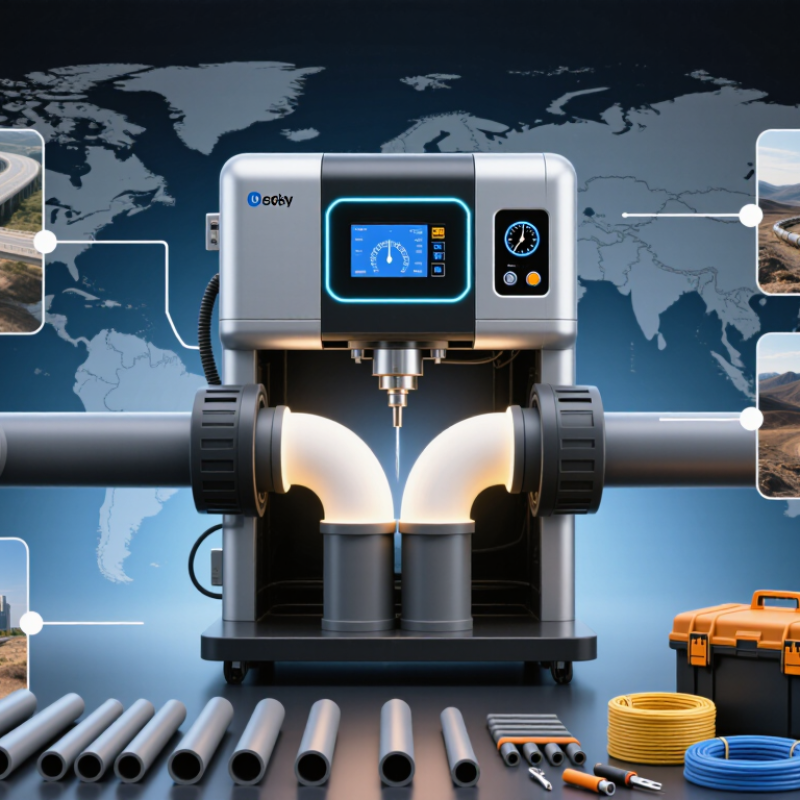
Table of Contents [Hide]
What Is a Fusion Welding Machine?
A fusion welding machine joins thermoplastic pipes by heating their prepared surfaces and applying controlled pressure. The softened materials cool into one continuous joint. It is not a glue gun. No separate adhesive is required.
A typical butt-fusion system includes clamps, a facing tool, heater plate, hydraulic unit, and control panel. The machine aligns pipe ends, removes uneven surfaces, heats them, and records joining pressure and time. Field technicians usually check clean faces, correct temperature, bead formation, and cooling stability. These details matter on long water, gas, and industrial utility lines. Standards such as ISO 21307 and ASTM F2620 define recognized procedures for polyethylene pipe fusion.
Infrastructure demand makes this equipment increasingly relevant. The U.S. Environmental Protection Agency’s 7th Drinking Water Infrastructure Needs Survey estimates $625 billion in drinking-water investment needs from 2023 to 2042. The agency’s Clean Watersheds Needs Survey reports another $630.1 billion for wastewater infrastructure through 2041. These figures do not measure fusion machines directly. They show the scale of pipe-related work ahead. A reliable machine can improve repeatability, reduce alignment errors, and create traceable records across projects. Still, equipment alone cannot guarantee joint quality. Poor preparation, untrained operators, or rushed cooling can weaken an otherwise sound connection. That uncomfortable point deserves more attention.