
- High-Performance Doors
-
- Applications
-
-
-
- Clean Room
Stainless steel or composite materials help maintain clean rooms.
-
-
- Coolers
Quick opening speeds & tight seals for temperature control.
-
-
- Parking
Improve security & traffic flow and enhance architectural style.
-
-
- Hurricane Zone
Withstand winds up to 175 mph and comply with the Florida Building Code.
-
-
-
-
- USDA / FDA / cGMP
Increase productivity & address stringent USDA, FDA & cGMP requirements.
-
-
- Freezers
High-speed & perimeter seals minimize the air exchange between areas.
-
-
- Security
High speed & durability ensure secure access.
-
-
- Ventilation
Perforated or screen door panels allow improved air circulation.
-
-
-
-
- Fire Station Emergency Response
When time is of the essence, high speed and reliability are crucial.
-
-
- Warehousing
Fast cycle times and secure seals keep environments separated.
-
-
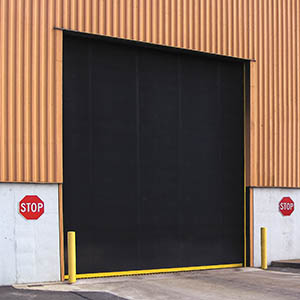
- Loading Dock
Rugged design & secure seal for oversized openings.
-
-
- Large Openings
Break-away functionality with rugged design seals oversized openings.
-
-
-
-
- Heavy Equipment
Withstands challenges of heavy equipment and fleet truck/car wash environments.
-
-
- Self-Storage
Fast opening speeds and reliable, durable construction keep facilities secure and protected.
-
-
- Industries
-
-
-
- Automotive Dealerships
Reduce energy costs, increase productivity and comfort and enhance customer perception.
-
-
- Cold Storage & Processing
Increase productivity and operational efficiency while reducing energy and maintenance costs.
-
-
- Parking
We offer solutions for Apartment / Condo & Loft, Standalone Parking Facilities and Office Buildings
-
-
-
-
- Food & Beverage
Doors specifically engineered for USDA/FDA and cGMP environments, and assured compliance for uncompromising performance.
-
-
- Mfg/Dist/Warehousing
A complete product line allows facilities to increase efficiency and safety and reduce maintenance and energy costs.
-
-
- Government
Ensure effective security and environmental controls are maintained for critical government operations.
-
-
-
-
- Transit
Keep operations running smoothly and efficient while reducing energy and maintenance costs.
-
-
- Pharma, Nutraceutical & Biotech
Doors that offer quick, secure access, environmental control and reliability for life science facilities.
-
-
- Support Resources
- Parts
- Contact Us
- Blog/News
- Why Rytec
- Sales Rep Locator
- Careers
- Dealers
- Architectural Resources






















Why Choose an ANSI Rated Three Phase Oil Transformer?
Why Choose an ANSI Rated Three Phase Oil Transformer?
Utility networks demand equipment that performs quietly, safely, and consistently under changing electrical loads. An Ansi Rated Three Phase Oil Transformer For Utility Use supports this responsibility through standardized design, tested performance, and practical field durability. Its three-phase structure helps distribute power efficiently across industrial feeders, substations, and municipal systems. The oil-filled tank also helps control heat during long operating periods. That matters when summer demand pushes equipment close to its rated capacity.
Martin J. Heathcote, a recognized transformer engineering author, offers a useful perspective: “A transformer must be selected as part of a system, not as an isolated box.” This principle deserves attention. Engineers must review voltage ratios, impedance, cooling conditions, sound limits, installation space, and maintenance access together. ANSI compliance can establish a dependable technical baseline, but it does not replace careful application engineering.
The details are tangible. A properly specified unit may reduce overheating risks, simplify inspection routines, and support stable voltage delivery across distant loads. Its sealed tank, oil gauges, bushings, and grounding connections require thoughtful evaluation before purchase. Small oversights can become expensive field problems.
Reliability is never automatic.
Operators should also consider oil quality, environmental containment, fault-current exposure, and future load growth. A transformer that fits today may struggle five years later. That uncomfortable possibility deserves honest planning. Choosing an Ansi Rated Three Phase Oil Transformer For Utility Use is therefore less about buying a large metal enclosure. It is about selecting a tested, maintainable, and properly matched component for the entire utility system.
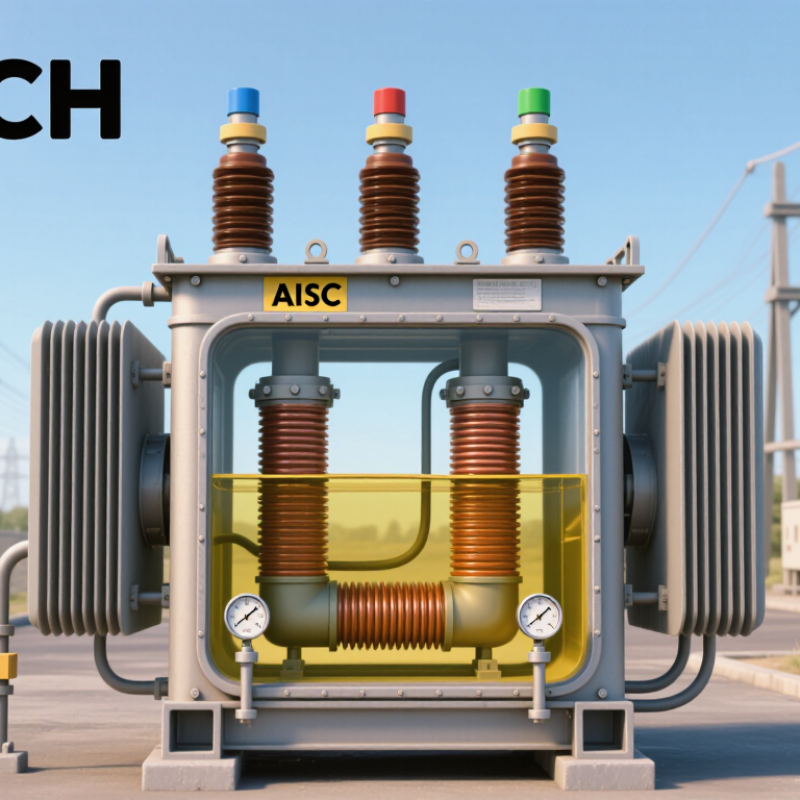
Table of Contents [Hide]
What Is an ANSI-Rated Three-Phase Oil Transformer?
What Is an ANSI-Rated Three-Phase Oil Transformer?
An ANSI-rated three-phase oil transformer is an oil-immersed electrical device designed and tested under recognized American National Standards Institute requirements. ANSI does not mean a single performance grade. It points users toward standards such as ANSI/IEEE C57.12.00, which addresses general requirements for liquid-immersed distribution and Power Transformers. IEEE C57.12.90 also defines test methods, including winding resistance, voltage ratio, and temperature-rise testing.
Inside the tank, mineral oil or another approved insulating liquid surrounds the core and coils. The liquid removes heat and strengthens insulation around energized components. A three-phase design serves balanced industrial loads, substations, and commercial facilities with fewer connections than three separate single-phase units. Field engineers still check more than the label. They verify kVA capacity, primary and secondary voltage, impedance, cooling class, insulation level, and installation altitude.
The U.S. Department of Energy reported that distribution transformers represent roughly 2.5% of national electricity consumption through losses. Its technical analysis estimated that stronger efficiency requirements could save about 3.63 quadrillion British thermal units over 30 years. Those figures make efficiency practical, not decorative. Yet an ANSI reference cannot guarantee perfect operation. Poor ventilation, moisture, overloads, or neglected oil testing can shorten service life. A transformer may meet the standard and still fail an unsuitable site. That uncomfortable detail deserves attention.