
- High-Performance Doors
-
- Applications
-
-
-
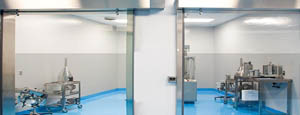
- Clean Room
Stainless steel or composite materials help maintain clean rooms.
-
-
- Coolers
Quick opening speeds & tight seals for temperature control.
-
-
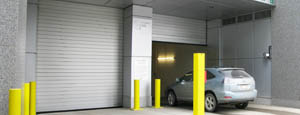
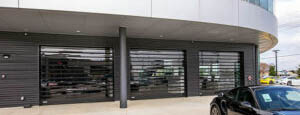
- Parking
Improve security & traffic flow and enhance architectural style.
-
-
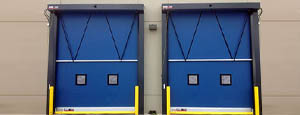
- Hurricane Zone
Withstand winds up to 175 mph and comply with the Florida Building Code.
-
-
-
-
- USDA / FDA / cGMP
Increase productivity & address stringent USDA, FDA & cGMP requirements.
-
-
- Freezers
High-speed & perimeter seals minimize the air exchange between areas.
-
-
- Security
High speed & durability ensure secure access.
-
-
- Ventilation
Perforated or screen door panels allow improved air circulation.
-
-
-
-
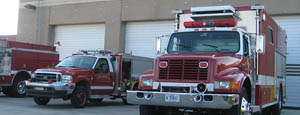
- Fire Station Emergency Response
When time is of the essence, high speed and reliability are crucial.
-
-
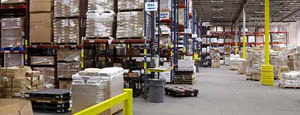
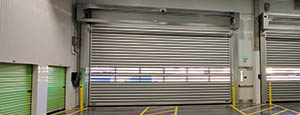
- Warehousing
Fast cycle times and secure seals keep environments separated.
-
-
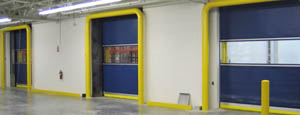
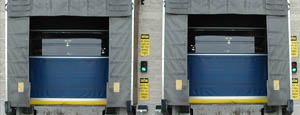
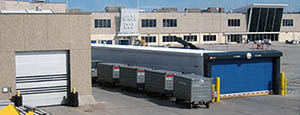
- Loading Dock
Rugged design & secure seal for oversized openings.
-
-
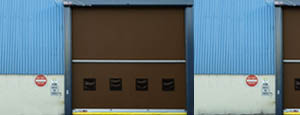
- Large Openings
Break-away functionality with rugged design seals oversized openings.
-
-
-
-
- Heavy Equipment
Withstands challenges of heavy equipment and fleet truck/car wash environments.
-
-
- Self-Storage
Fast opening speeds and reliable, durable construction keep facilities secure and protected.
-
-
- Industries
-
-
-
- Automotive Dealerships
Reduce energy costs, increase productivity and comfort and enhance customer perception.
-
-
- Cold Storage & Processing
Increase productivity and operational efficiency while reducing energy and maintenance costs.
-
-
- Parking
We offer solutions for Apartment / Condo & Loft, Standalone Parking Facilities and Office Buildings
-
-
-
-
- Food & Beverage
Doors specifically engineered for USDA/FDA and cGMP environments, and assured compliance for uncompromising performance.
-
-
- Mfg/Dist/Warehousing
A complete product line allows facilities to increase efficiency and safety and reduce maintenance and energy costs.
-
-
- Government
Ensure effective security and environmental controls are maintained for critical government operations.
-
-
-
-
- Transit
Keep operations running smoothly and efficient while reducing energy and maintenance costs.
-
-
- Pharma, Nutraceutical & Biotech
Doors that offer quick, secure access, environmental control and reliability for life science facilities.
-
-
- Support Resources
- Parts
- Contact Us
- Blog/News
- Why Rytec
- Sales Rep Locator
- Careers
- Dealers
- Architectural Resources






Why Choose an Aluminum Composite Panel Exporter?
Choosing the right Aluminum Composite Panel Exporter can influence a project long after the shipment arrives. Panel quality affects façade appearance, installation speed, maintenance, and overall building performance. An experienced exporter understands these practical pressures, not only product specifications. They can recommend suitable panel thickness, core options, surface finishes, and protective coatings for different climates and applications.
Look closely at manufacturing evidence. Reliable exporters should provide technical data, test reports, product samples, and clear quality-control procedures. A sample panel should feel stable, show consistent color, and have clean, even edges. Ask how materials are inspected before packing. Ask how cartons are protected during ocean transport. Small details matter.
Communication matters too. An established Aluminum Composite Panel Exporter should explain lead times, minimum quantities, customization limits, and documentation requirements without creating confusion. Professional exporters also respond to technical questions with useful, specific answers. Their experience may include commercial buildings, retail interiors, signage, and residential renovations.
Still, no supplier is perfect. A polished website does not prove dependable performance. Some claims require independent verification. Even an exporter with strong references may not fit every project, budget, or local installation method. Careful buyers should compare samples, certifications, warranties, and delivery records before deciding. This process takes time. It can prevent expensive surprises.
The best partnership combines proven manufacturing capability with honest communication. It supports informed decisions from material selection to final installation. When an exporter demonstrates consistency, accountability, and technical understanding, the purchase becomes more than a transaction. It becomes a practical foundation for a safer, cleaner, and more durable result.
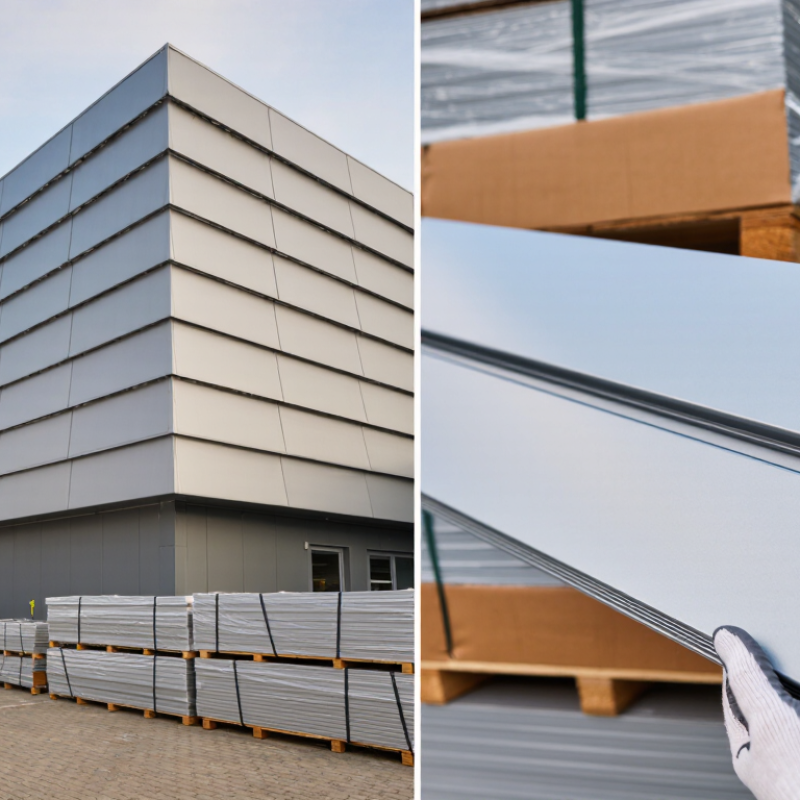
Table of Contents [Hide]
What Is an Aluminum Composite Panel Exporter?
An aluminum composite panel exporter is a company that prepares and ships composite panels to customers in other countries. These panels usually combine two thin aluminum sheets with a lightweight mineral or polymer core. The structure offers a practical balance of low weight, surface protection, and design flexibility.
A responsible exporter does more than arrange transport. It checks panel thickness, coating quality, core performance, color consistency, and protective film before loading. Experienced teams also confirm the buyer’s drawings, packing requirements, delivery terms, and local building standards. A small measurement error can create costly delays.
Clear records matter. Reliable exporters provide technical data, test reports, product samples, and traceable batch information. They should explain fire performance, weather resistance, cleaning needs, and suitable installation methods without making exaggerated claims. Export staff often inspect wooden crates, corner protection, and container loading because damaged edges may appear after a long voyage.
Communication is part of the service. A professional exporter answers questions about cut sizes, surface finishes, order quantities, and replacement procedures. Still, no exporter is perfect. Colors may vary slightly between production batches, and transport schedules can change. Buyers should review documents carefully and request samples before placing large orders. This practical step prevents assumptions from becoming expensive problems.