
- High-Performance Doors
-
- Applications
-
-
-
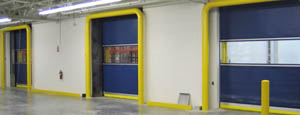
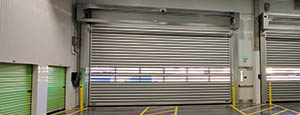
- Clean Room
Stainless steel or composite materials help maintain clean rooms.
-
-
- Coolers
Quick opening speeds & tight seals for temperature control.
-
-
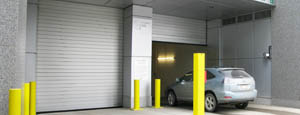
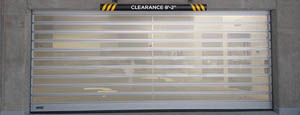
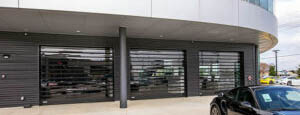
- Parking
Improve security & traffic flow and enhance architectural style.
-
-
- Hurricane Zone
Withstand winds up to 175 mph and comply with the Florida Building Code.
-
-
-
-
- USDA / FDA / cGMP
Increase productivity & address stringent USDA, FDA & cGMP requirements.
-
-
- Freezers
High-speed & perimeter seals minimize the air exchange between areas.
-
-
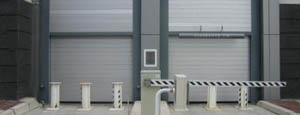
- Security
High speed & durability ensure secure access.
-
-
- Ventilation
Perforated or screen door panels allow improved air circulation.
-
-
-
-
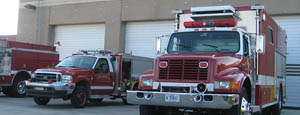
- Fire Station Emergency Response
When time is of the essence, high speed and reliability are crucial.
-
-
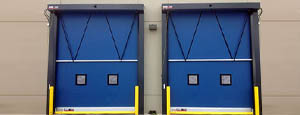
- Warehousing
Fast cycle times and secure seals keep environments separated.
-
-
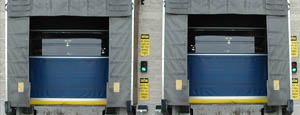
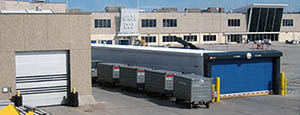
- Loading Dock
Rugged design & secure seal for oversized openings.
-
-
- Large Openings
Break-away functionality with rugged design seals oversized openings.
-
-
-
-
- Heavy Equipment
Withstands challenges of heavy equipment and fleet truck/car wash environments.
-
-
- Self-Storage
Fast opening speeds and reliable, durable construction keep facilities secure and protected.
-
-
- Industries
-
-
-
- Automotive Dealerships
Reduce energy costs, increase productivity and comfort and enhance customer perception.
-
-
- Cold Storage & Processing
Increase productivity and operational efficiency while reducing energy and maintenance costs.
-
-
- Parking
We offer solutions for Apartment / Condo & Loft, Standalone Parking Facilities and Office Buildings
-
-
-
-
- Food & Beverage
Doors specifically engineered for USDA/FDA and cGMP environments, and assured compliance for uncompromising performance.
-
-
- Mfg/Dist/Warehousing
A complete product line allows facilities to increase efficiency and safety and reduce maintenance and energy costs.
-
-
- Government
Ensure effective security and environmental controls are maintained for critical government operations.
-
-
-
-
- Transit
Keep operations running smoothly and efficient while reducing energy and maintenance costs.
-
-
- Pharma, Nutraceutical & Biotech
Doors that offer quick, secure access, environmental control and reliability for life science facilities.
-
-
- Support Resources
- Parts
- Contact Us
- Blog/News
- Why Rytec
- Sales Rep Locator
- Careers
- Dealers
- Architectural Resources











Why Choose a Medical Syringe Pump for Precision Delivery?
When medication must move in tiny, controlled volumes, accuracy becomes more than a technical preference. It becomes part of patient safety. A Medical Syringe Pump supports this need by delivering fluids at carefully programmed rates, even when the flow is extremely slow. In a neonatal unit, for example, a few milliliters may need to travel steadily through narrow tubing over several hours. Small errors can matter.
Dr. Steven L. Shafer, a recognized expert in infusion pharmacology, has stated, “A pump can deliver accurately, but clinicians must still question every number.” This practical warning explains why precision technology cannot replace professional judgment. A Medical Syringe Pump should be selected according to the drug, syringe size, required flow rate, pressure conditions, and clinical environment. Alarm visibility also matters when the device sits beside a dimly lit bedside monitor.
The value is control. The limitations are real. Occlusion, incorrect syringe loading, air bubbles, and poor calibration can reduce performance. Staff training remains essential, even with advanced models. A reliable device should offer stable delivery, clear settings, responsive alarms, and documented maintenance procedures. Yet no pump is automatically perfect. Selection teams should compare tested specifications with real working conditions, not marketing promises alone. This article examines why a Medical Syringe Pump is widely chosen for precision delivery, while also considering the practical weaknesses that deserve closer review.
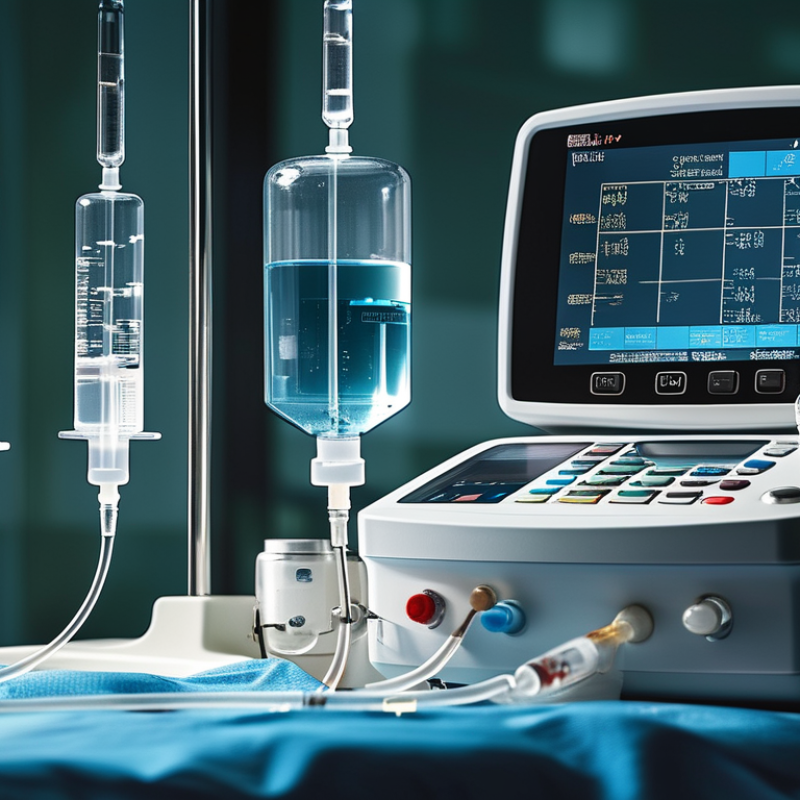
Table of Contents [Hide]
What Is a Medical Syringe Pump and How Does It Work?
Why Choose a Medical Syringe Pump for Precision Delivery?
What Is a Medical Syringe Pump and How Does It Work?
A medical syringe pump delivers fluids through a motor-driven plunger. The clinician selects the syringe size, flow rate, and volume. The motor then advances the plunger in tiny, controlled movements. This design supports low-volume delivery, especially when gravity-based systems may fluctuate. It is often used for potent medicines, neonatal care, and patients needing steady fluid administration.
The World Health Organization’s Medication Without Harm report estimates that medication errors cost about US$42 billion globally each year. Precise equipment cannot remove every clinical risk, but it can reduce uncontrolled flow and support repeatable dosing. Pressure sensors may detect occlusions, while alarms alert staff to empty syringes or abnormal resistance. The U.S. Food and Drug Administration also highlights alarm performance, flow accuracy, and user training as important infusion-pump safety factors. No pump is perfectly precise. Syringe friction, setup errors, and delayed responses still matter.
Tips: Confirm the syringe type and size before programming. Check the displayed rate against the prescription. Keep the tubing visible and trace it to the patient. Test alarms during scheduled checks. Document unusual resistance or unexpected flow. A short pause for verification can prevent a long correction later.