
- High-Performance Doors
-
- Applications
-
-
-
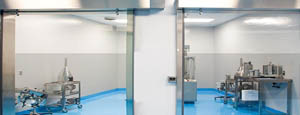
- Clean Room
Stainless steel or composite materials help maintain clean rooms.
-
-
- Coolers
Quick opening speeds & tight seals for temperature control.
-
-
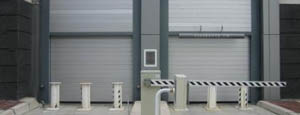
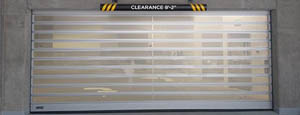
- Parking
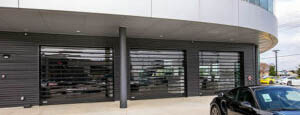
Improve security & traffic flow and enhance architectural style.
-
-
- Hurricane Zone
Withstand winds up to 175 mph and comply with the Florida Building Code.
-
-
-
-
- USDA / FDA / cGMP
Increase productivity & address stringent USDA, FDA & cGMP requirements.
-
-
- Freezers
High-speed & perimeter seals minimize the air exchange between areas.
-
-
- Security
High speed & durability ensure secure access.
-
-
- Ventilation
Perforated or screen door panels allow improved air circulation.
-
-
-
-
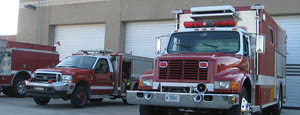
- Fire Station Emergency Response
When time is of the essence, high speed and reliability are crucial.
-
-
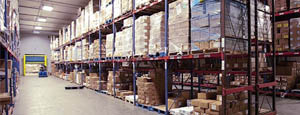
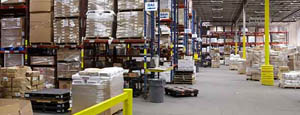
- Warehousing
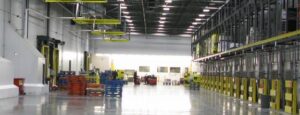
Fast cycle times and secure seals keep environments separated.
-
-
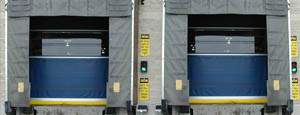
- Loading Dock
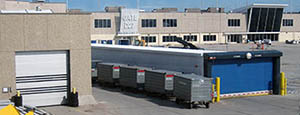
Rugged design & secure seal for oversized openings.
-
-
- Large Openings
Break-away functionality with rugged design seals oversized openings.
-
-
-
-
- Heavy Equipment
Withstands challenges of heavy equipment and fleet truck/car wash environments.
-
-
- Self-Storage
Fast opening speeds and reliable, durable construction keep facilities secure and protected.
-
-
- Industries
-
-
-
- Automotive Dealerships
Reduce energy costs, increase productivity and comfort and enhance customer perception.
-
-
- Cold Storage & Processing
Increase productivity and operational efficiency while reducing energy and maintenance costs.
-
-
- Parking
We offer solutions for Apartment / Condo & Loft, Standalone Parking Facilities and Office Buildings
-
-
-
-
- Food & Beverage
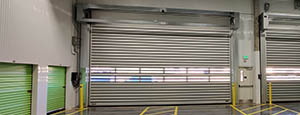
Doors specifically engineered for USDA/FDA and cGMP environments, and assured compliance for uncompromising performance.
-
-
- Mfg/Dist/Warehousing
A complete product line allows facilities to increase efficiency and safety and reduce maintenance and energy costs.
-
-
- Government
Ensure effective security and environmental controls are maintained for critical government operations.
-
-
-
-
- Transit
Keep operations running smoothly and efficient while reducing energy and maintenance costs.
-
-
- Pharma, Nutraceutical & Biotech
Doors that offer quick, secure access, environmental control and reliability for life science facilities.
-
-
- Support Resources
- Parts
- Contact Us
- Blog/News
- Why Rytec
- Sales Rep Locator
- Careers
- Dealers
- Architectural Resources






Why Are Dinosaur Fossils So Valuable to Global Buyers?
Dinosaur Fossils attract global buyers because they connect scientific evidence with a powerful sense of discovery. A well-preserved specimen can reveal bone structure, growth patterns, diet, movement, and ancient ecosystems. Its value may rise when preparation is skilled, documentation is complete, and its history is transparent. Museums may seek fossils for public education. Universities may study them through careful research. Responsible collectors may value their craftsmanship and educational potential.
Paleontologist Dr. Steve Brusatte has said, “Dinosaurs are a gateway to science.” That simple sentence explains much of their worldwide appeal. A fossil on display can turn a school visit into a lasting scientific interest. Scratches on a fossil’s surface may show preparation methods. Fine mineral details can preserve a vanished environment. These physical clues make Dinosaur Fossils more than decorative objects.
However, market price does not always equal scientific importance. A small fragment with strong provenance may matter more than a spectacular specimen with uncertain records. Buyers must examine export permissions, ownership history, preparation reports, and independent expert opinions. Laws differ between countries, and ethical purchasing requires respect for local heritage and scientific standards. Some listings appear impressive but provide weak evidence. That is where careful judgment becomes essential.
This article explores why Dinosaur Fossils command attention across international markets. It considers rarity, preservation, research value, cultural influence, and buyer confidence. It also questions a common assumption: expensive does not automatically mean important. The strongest value combines legitimate origin, reliable scholarship, and responsible stewardship.
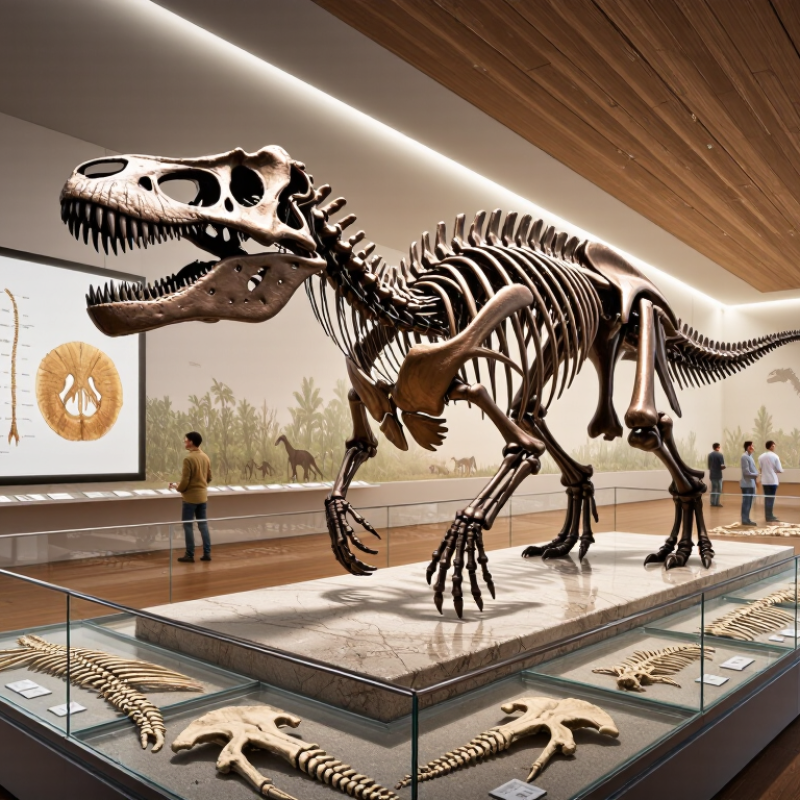
Table of Contents [Hide]
What Makes Dinosaur Fossils Rare and Scientifically Important?
Why Are Dinosaur Fossils So Valuable to Global Buyers?
Dinosaur fossils attract global buyers because rarity and scientific value often overlap. A complete skeleton is uncommon, but even one bone can hold important evidence. Its surface may preserve growth marks, disease traces, or signs of injury. Nearby sediment can also reveal an ancient environment. These details make fossils more than decorative objects. They become physical records of vanished ecosystems.
Scientific importance depends on context. A fossil with a documented location, excavation history, and expert preparation is usually more informative. Legal permits and clear ownership records matter just as much. Poorly documented specimens may look impressive, yet lose much of their research value. Preparation can also hide damage or alter fragile surfaces. I have seen how a small crack changes an assessment. Some judgments remain uncertain, and honest uncertainty is better than confident guessing.
Tips: Ask for independent identification and complete provenance records. Check whether export and ownership laws were followed. Look for visible repairs, reconstructed sections, and replaced material. A museum or qualified paleontologist can review unusual specimens. Do not judge value from size alone. The smallest fragment may preserve the strongest clue.