
- High-Performance Doors
-
- Applications
-
-
-
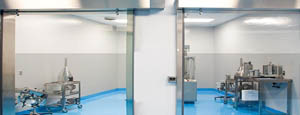
- Clean Room
Stainless steel or composite materials help maintain clean rooms.
-
-
- Coolers
Quick opening speeds & tight seals for temperature control.
-
-
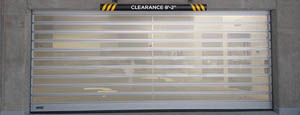
- Parking
Improve security & traffic flow and enhance architectural style.
-
-
- Hurricane Zone
Withstand winds up to 175 mph and comply with the Florida Building Code.
-
-
-
-
- USDA / FDA / cGMP
Increase productivity & address stringent USDA, FDA & cGMP requirements.
-
-
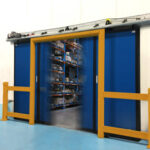
- Freezers
High-speed & perimeter seals minimize the air exchange between areas.
-
-
- Security
High speed & durability ensure secure access.
-
-
- Ventilation
Perforated or screen door panels allow improved air circulation.
-
-
-
-
- Fire Station Emergency Response
When time is of the essence, high speed and reliability are crucial.
-
-
- Warehousing
Fast cycle times and secure seals keep environments separated.
-
-
- Loading Dock
Rugged design & secure seal for oversized openings.
-
-
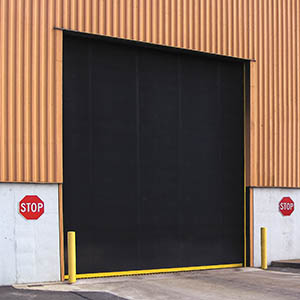
- Large Openings
Break-away functionality with rugged design seals oversized openings.
-
-
-
-
- Heavy Equipment
Withstands challenges of heavy equipment and fleet truck/car wash environments.
-
-
- Self-Storage
Fast opening speeds and reliable, durable construction keep facilities secure and protected.
-
-
- Industries
-
-
-
- Automotive Dealerships
Reduce energy costs, increase productivity and comfort and enhance customer perception.
-
-
- Cold Storage & Processing
Increase productivity and operational efficiency while reducing energy and maintenance costs.
-
-
- Parking
We offer solutions for Apartment / Condo & Loft, Standalone Parking Facilities and Office Buildings
-
-
-
-
- Food & Beverage
Doors specifically engineered for USDA/FDA and cGMP environments, and assured compliance for uncompromising performance.
-
-
- Mfg/Dist/Warehousing
A complete product line allows facilities to increase efficiency and safety and reduce maintenance and energy costs.
-
-
- Government
Ensure effective security and environmental controls are maintained for critical government operations.
-
-
-
-
- Transit
Keep operations running smoothly and efficient while reducing energy and maintenance costs.
-
-
- Pharma, Nutraceutical & Biotech
Doors that offer quick, secure access, environmental control and reliability for life science facilities.
-
-
- Support Resources
- Parts
- Contact Us
- Blog/News
- Why Rytec
- Sales Rep Locator
- Careers
- Dealers
- Architectural Resources





















What Is a Hydrocell Lithium Battery?
What Is a Hydrocell Lithium Battery? The name sounds highly specific, yet “Hydrocell” is not a universally standardized lithium-battery chemistry. In commercial discussions, it may describe a lithium battery system using liquid-based cooling, electrolyte management, or a branded design. That distinction matters. A battery label alone cannot confirm its chemistry, energy density, safety controls, or service life.
The market context is substantial. The International Energy Agency reported that electric-vehicle battery demand exceeded 750 GWh in 2023, rising by about 40% from 2022. The IEA also identifies lithium-ion technology as the dominant platform for modern electric mobility and stationary storage. Against this background, a Hydrocell Lithium Battery should be evaluated through measurable specifications, including usable capacity, cycle life, charging limits, thermal management, and protection circuitry. Look beyond the name.
In practical use, these details affect daily experience. A 12-volt battery may power a camper, boat, solar storage unit, or backup system. Its battery-management system should prevent overcharge, excessive discharge, overheating, and current spikes. Installation conditions also matter. A battery mounted inside a hot metal compartment may perform differently from one operating in a ventilated room.
Independent testing remains essential. Manufacturer claims can be useful, but they are not the same as verified field results. The U.S. Department of Energy and international standards bodies emphasize testing, traceability, and safe system design for rechargeable batteries. This article examines what the Hydrocell Lithium Battery term may mean, where its advantages could appear, and which claims deserve careful questioning. Some descriptions remain unclear. That uncertainty should be acknowledged.
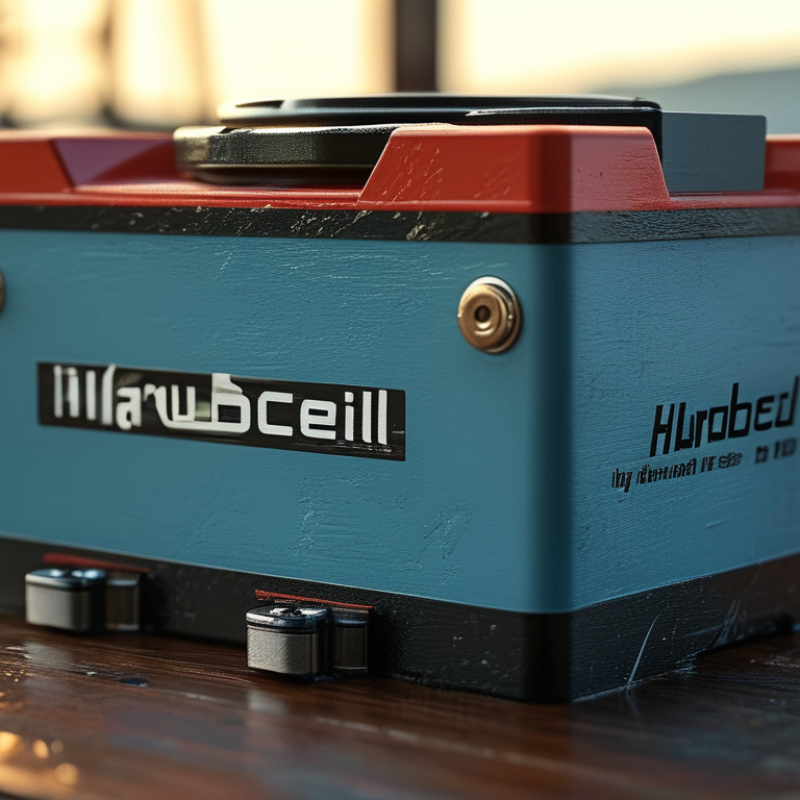
Table of Contents [Hide]
Definition and Core Function of a Hydrocell Lithium Battery
What Is a Hydrocell Lithium Battery?
“Hydrocell lithium battery” is not a universally standardized battery category. The term may describe a lithium-based cell using water-related technology, such as an aqueous electrolyte or liquid cooling system. These designs should not be treated as identical. An aqueous electrolyte replaces conventional organic solvents, while liquid cooling manages heat outside the cell.
Its core function remains electrochemical energy storage. Lithium ions move between the positive and negative electrodes during charging and discharging. Electrons then flow through an external circuit to power equipment.
In practical use, the battery must balance energy density, safety, cycle life, charging speed, and temperature control. Water-based systems can reduce flammability concerns, but water also limits operating voltage. That trade-off is easy to overlook.
The International Energy Agency reported that global electric-vehicle battery demand exceeded 750 GWh in 2023, rising by about 40 percent. This growth increases interest in safer and more resource-efficient battery designs. The U.S. Department of Energy also identifies thermal management as a major factor affecting battery performance and durability.
A hydrocell concept may help in specific applications, but its value depends on chemistry, cell structure, and operating conditions. The name alone proves little. Real testing matters more. Tens of degrees can change charging behavior, and laboratory results may not represent field performance.