
- High-Performance Doors
-
- Applications
-
-
-
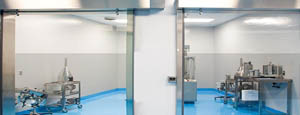
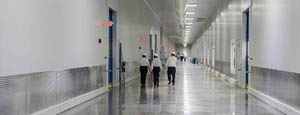
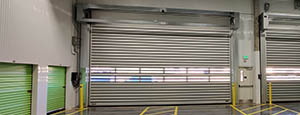
- Clean Room
Stainless steel or composite materials help maintain clean rooms.
-
-
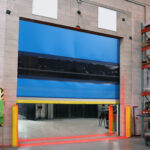
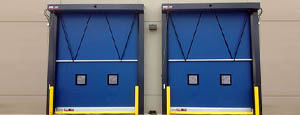
- Coolers
Quick opening speeds & tight seals for temperature control.
-
-
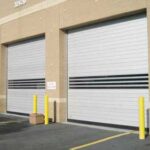
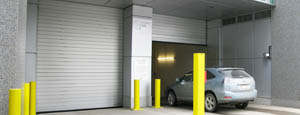
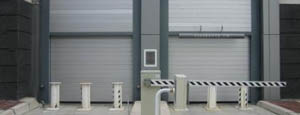
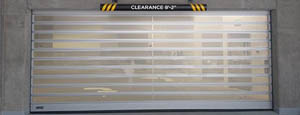
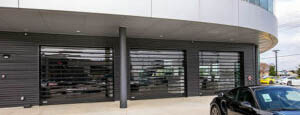
- Parking
Improve security & traffic flow and enhance architectural style.
-
-
- Hurricane Zone
Withstand winds up to 175 mph and comply with the Florida Building Code.
-
-
-
-
- USDA / FDA / cGMP
Increase productivity & address stringent USDA, FDA & cGMP requirements.
-
-
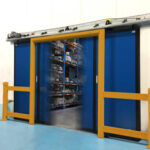
- Freezers
High-speed & perimeter seals minimize the air exchange between areas.
-
-
- Security
High speed & durability ensure secure access.
-
-
- Ventilation
Perforated or screen door panels allow improved air circulation.
-
-
-
-
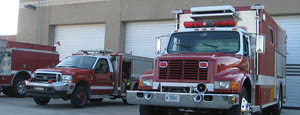
- Fire Station Emergency Response
When time is of the essence, high speed and reliability are crucial.
-
-
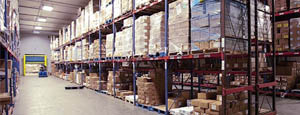
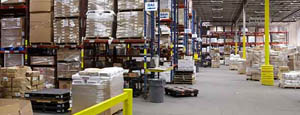
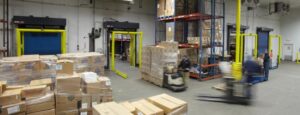
- Warehousing
Fast cycle times and secure seals keep environments separated.
-
-
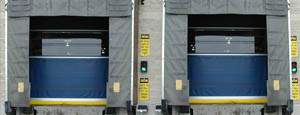
- Loading Dock
Rugged design & secure seal for oversized openings.
-
-
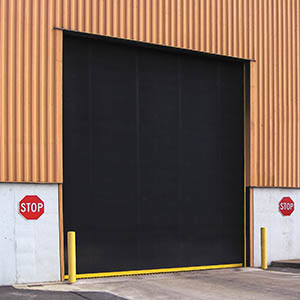
- Large Openings
Break-away functionality with rugged design seals oversized openings.
-
-
-
-
- Heavy Equipment
Withstands challenges of heavy equipment and fleet truck/car wash environments.
-
-
- Self-Storage
Fast opening speeds and reliable, durable construction keep facilities secure and protected.
-
-
- Industries
-
-
-
- Automotive Dealerships
Reduce energy costs, increase productivity and comfort and enhance customer perception.
-
-
- Cold Storage & Processing
Increase productivity and operational efficiency while reducing energy and maintenance costs.
-
-
- Parking
We offer solutions for Apartment / Condo & Loft, Standalone Parking Facilities and Office Buildings
-
-
-
-
- Food & Beverage
Doors specifically engineered for USDA/FDA and cGMP environments, and assured compliance for uncompromising performance.
-
-
- Mfg/Dist/Warehousing
A complete product line allows facilities to increase efficiency and safety and reduce maintenance and energy costs.
-
-
- Government
Ensure effective security and environmental controls are maintained for critical government operations.
-
-
-
-
- Transit
Keep operations running smoothly and efficient while reducing energy and maintenance costs.
-
-
- Pharma, Nutraceutical & Biotech
Doors that offer quick, secure access, environmental control and reliability for life science facilities.
-
-
- Support Resources
- Parts
- Contact Us
- Blog/News
- Why Rytec
- Sales Rep Locator
- Careers
- Dealers
- Architectural Resources




What Are the Best Gas Testers from China?
Choosing the best Gas Testers from China requires more than comparing prices, screen sizes, or advertised detection ranges. A dependable instrument must protect workers in confined spaces, chemical plants, mines, laboratories, and maintenance areas. It should identify hazards quickly, display clear readings, and remain stable in demanding environments.
Trevor Kletz, a respected process-safety expert, wrote, “Safety is no accident.” That principle fits gas detection closely. Even an advanced detector can fail when calibration is ignored, sensors are mismatched, or users misunderstand alarm settings. Therefore, this guide examines sensor technology, detection limits, response time, battery performance, enclosure ratings, calibration records, and after-sales support.
Chinese manufacturers offer many capable portable, fixed, and multi-gas instruments. Some provide strong value and practical customization. Others may present impressive specifications without sufficient independent verification. That difference matters. Buyers should request test reports, quality certificates, calibration procedures, and evidence of supply-chain traceability. Compliance claims also require careful checking against the destination market’s requirements.
There is no universal “best” model. A detector suitable for methane monitoring may be unsuitable for oxygen deficiency or toxic gases. Field experience often exposes details that brochures omit, such as glove-friendly buttons, audible alarms in noisy rooms, or sensor drift after repeated exposure. Small choices matter.
This review is not perfect. Product data can change, and supplier performance may vary by batch or region. Readers should validate current specifications before purchasing. The goal is practical guidance: matching reliable Gas Testers with real workplace risks, trained operators, and documented maintenance.
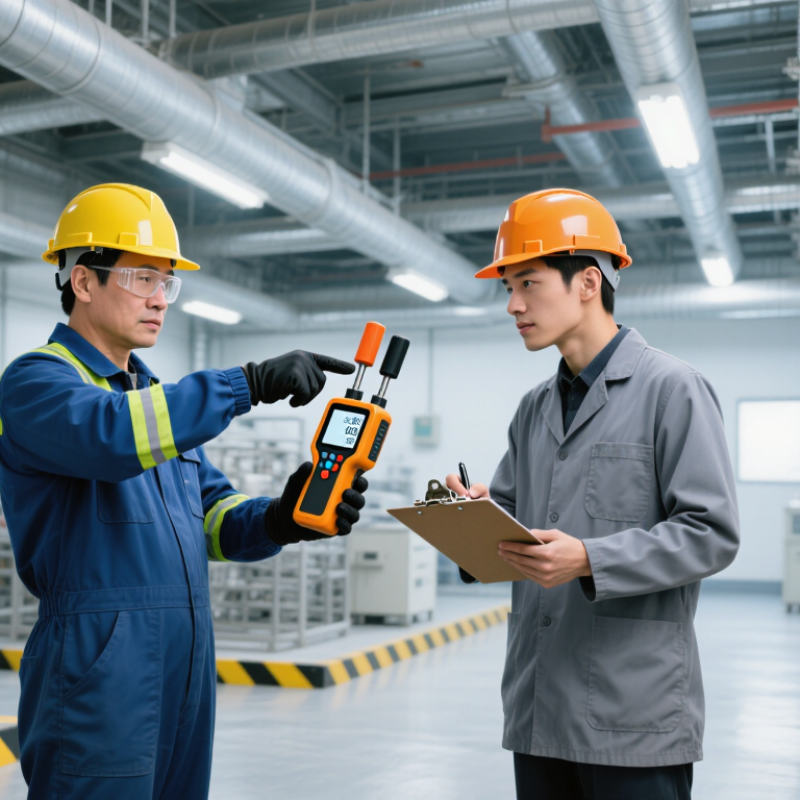
Table of Contents [Hide]
What Are Gas Testers and How Do They Work?
Gas testers are portable instruments that measure hazardous gases in air. They commonly check oxygen, carbon monoxide, hydrogen sulfide, and combustible vapors. A sensor converts gas exposure into an electrical signal, while the display shows concentration or alarm status. Simple, but not effortless.
Electrochemical sensors suit toxic gases, while catalytic-bead sensors detect combustible gases. Infrared sensors measure gases without consuming the target gas. Photoionization sensors can identify many volatile organic compounds. OSHA defines oxygen-deficient atmospheres as below 19.5% and oxygen-enriched atmospheres as above 23.5% (29 CFR 1910.146). NIOSH lists 100 ppm as the immediately dangerous level for hydrogen sulfide and 1,200 ppm for carbon monoxide in its Pocket Guide.
Field experience shows that sampling technique matters as much as sensor quality. Operators should test from outside a confined space, using a pump and probe when needed. Gases may collect at different heights. Methane tends to rise, while heavier vapors can settle near the floor. Instruments also need bump testing, calibration, fresh batteries, and sensor replacement. A neglected tester becomes a false source of confidence. That is uncomfortable, but true. China-made gas testers can be practical choices when their calibration records, sensor response times, alarm settings, and compliance documentation are independently verified. Performance data should matter more than a low purchase price.