
- High-Performance Doors
-
- Applications
-
-
-
- Clean Room
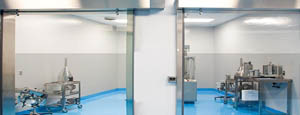
Stainless steel or composite materials help maintain clean rooms.
-
-
- Coolers
Quick opening speeds & tight seals for temperature control.
-
-
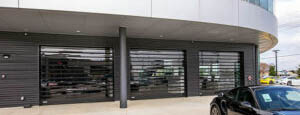
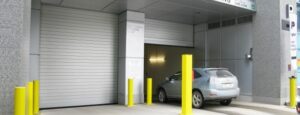
- Parking
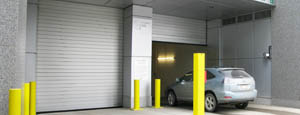
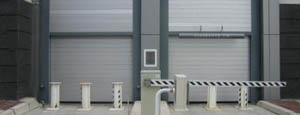
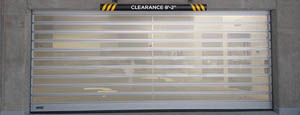
Improve security & traffic flow and enhance architectural style.
-
-
- Hurricane Zone
Withstand winds up to 175 mph and comply with the Florida Building Code.
-
-
-
-
- USDA / FDA / cGMP
Increase productivity & address stringent USDA, FDA & cGMP requirements.
-
-
- Freezers
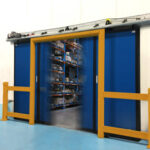
High-speed & perimeter seals minimize the air exchange between areas.
-
-
- Security
High speed & durability ensure secure access.
-
-
- Ventilation
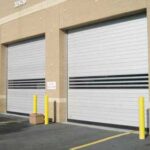
Perforated or screen door panels allow improved air circulation.
-
-
-
-
- Fire Station Emergency Response
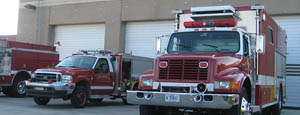
When time is of the essence, high speed and reliability are crucial.
-
-
- Warehousing
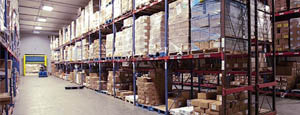
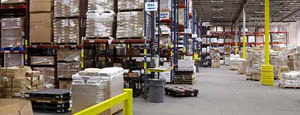
Fast cycle times and secure seals keep environments separated.
-
-
- Loading Dock
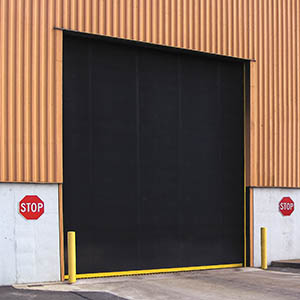
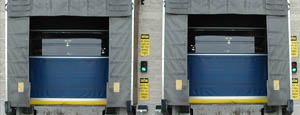
Rugged design & secure seal for oversized openings.
-
-
- Large Openings
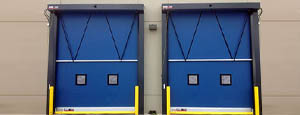
Break-away functionality with rugged design seals oversized openings.
-
-
-
-
- Heavy Equipment
Withstands challenges of heavy equipment and fleet truck/car wash environments.
-
-
- Self-Storage
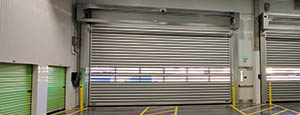
Fast opening speeds and reliable, durable construction keep facilities secure and protected.
-
-
- Industries
-
-
-
- Automotive Dealerships
Reduce energy costs, increase productivity and comfort and enhance customer perception.
-
-
- Cold Storage & Processing
Increase productivity and operational efficiency while reducing energy and maintenance costs.
-
-
- Parking
We offer solutions for Apartment / Condo & Loft, Standalone Parking Facilities and Office Buildings
-
-
-
-
- Food & Beverage
Doors specifically engineered for USDA/FDA and cGMP environments, and assured compliance for uncompromising performance.
-
-
- Mfg/Dist/Warehousing
A complete product line allows facilities to increase efficiency and safety and reduce maintenance and energy costs.
-
-
- Government
Ensure effective security and environmental controls are maintained for critical government operations.
-
-
-
-
- Transit
Keep operations running smoothly and efficient while reducing energy and maintenance costs.
-
-
- Pharma, Nutraceutical & Biotech
Doors that offer quick, secure access, environmental control and reliability for life science facilities.
-
-
- Support Resources
- Parts
- Contact Us
- Blog/News
- Why Rytec
- Sales Rep Locator
- Careers
- Dealers
- Architectural Resources







Why Use a Police Drone Detector for Enhanced Security?
In an era where technology plays a crucial role in security, the use of a Police Drone Detector is becoming increasingly vital. According to Dr. Emily Carter, a leading expert in drone surveillance technology, “The future of effective policing lies in our ability to detect unauthorized drones.” This insight highlights the growing necessity for advanced detection tools.
The rise of drone usage can complicate public safety efforts. Unauthorized drones can intrude on privacy and pose real threats during emergencies. Law enforcement agencies are recognizing the importance of a Police Drone Detector to enhance their operational capabilities. These devices help secure sensitive areas and maintain public trust.
Investing in a Police Drone Detector is essential for modern security measures. However, challenges remain. Not all drones are easily detectable, and regulations continue to evolve. It’s vital for security professionals to remain informed and adaptable in facing these complexities. The right tools can make a significant difference in addressing these challenges and improving safety outcomes.
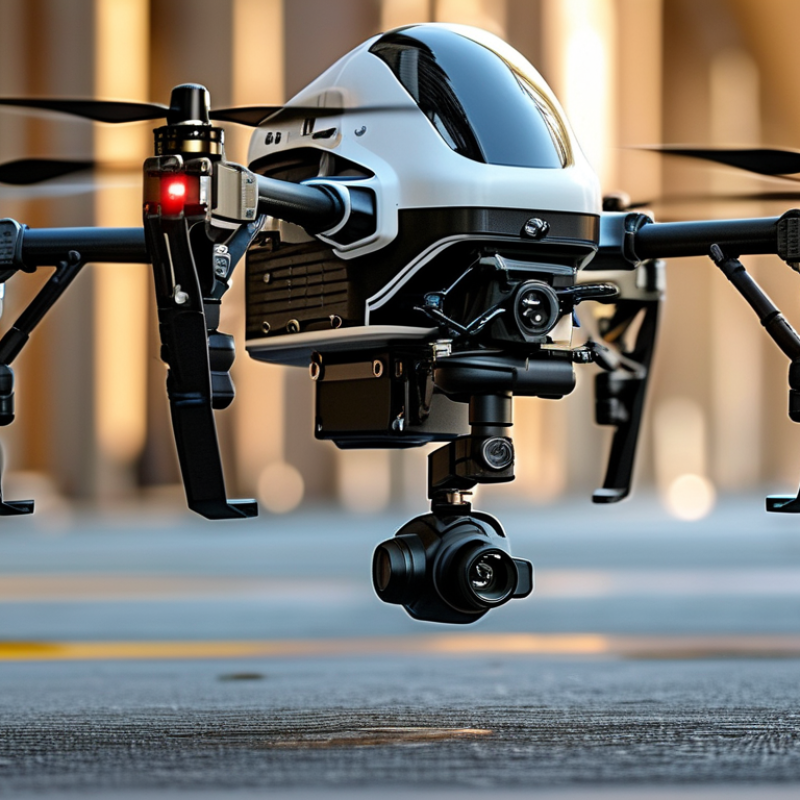
Table of Contents [Hide]
The Role of Police Drone Detectors in Modern Security Systems
In recent years, the landscape of security has changed dramatically. Police drone detectors have emerged as vital tools in modern security systems. According to a report by the Security Industry Association (SIA), the use of drones for surveillance has risen by nearly 50% since 2020. This surge underlines the necessity for effective countermeasures. Without police drone detectors, unauthorized surveillance can occur without detection.
These detectors function by identifying the radio frequencies emitted by drones. A study from the Journal of Security Technology shows that 75% of security professionals believe these devices enhance safety in public spaces. They provide real-time alerts. This allows for faster responses to potential threats. However, challenges remain. Some detectors may not distinguish between licensed and unlicensed drone activity, generating false alarms.
The integration of these systems is still evolving. Reports indicate that many security teams experience technical difficulties. Proper training is crucial for maximizing effectiveness. While the technology holds promise, ongoing improvements are necessary. The effectiveness of police drone detectors can only reach its full potential if they are constantly refined to address these limitations.