
- High-Performance Doors
-
- Applications
-
-
-
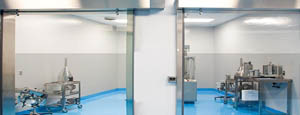
- Clean Room
Stainless steel or composite materials help maintain clean rooms.
-
-
- Coolers
Quick opening speeds & tight seals for temperature control.
-
-
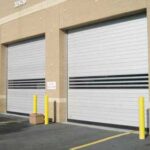
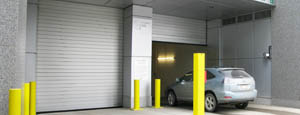
- Parking
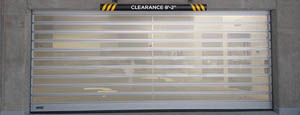
Improve security & traffic flow and enhance architectural style.
-
-
- Hurricane Zone
Withstand winds up to 175 mph and comply with the Florida Building Code.
-
-
-
-
- USDA / FDA / cGMP
Increase productivity & address stringent USDA, FDA & cGMP requirements.
-
-
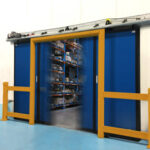
- Freezers
High-speed & perimeter seals minimize the air exchange between areas.
-
-
- Security
High speed & durability ensure secure access.
-
-
- Ventilation
Perforated or screen door panels allow improved air circulation.
-
-
-
-
- Fire Station Emergency Response
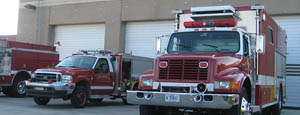
When time is of the essence, high speed and reliability are crucial.
-
-
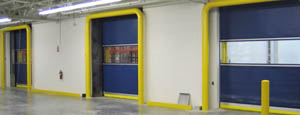
- Warehousing
Fast cycle times and secure seals keep environments separated.
-
-
- Loading Dock
Rugged design & secure seal for oversized openings.
-
-
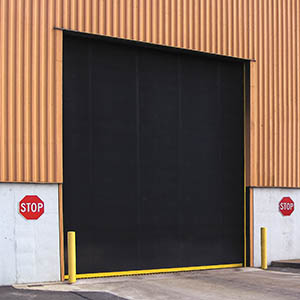
- Large Openings
Break-away functionality with rugged design seals oversized openings.
-
-
-
-
- Heavy Equipment
Withstands challenges of heavy equipment and fleet truck/car wash environments.
-
-
- Self-Storage
Fast opening speeds and reliable, durable construction keep facilities secure and protected.
-
-
- Industries
-
-
-
- Automotive Dealerships
Reduce energy costs, increase productivity and comfort and enhance customer perception.
-
-
- Cold Storage & Processing
Increase productivity and operational efficiency while reducing energy and maintenance costs.
-
-
- Parking
We offer solutions for Apartment / Condo & Loft, Standalone Parking Facilities and Office Buildings
-
-
-
-
- Food & Beverage
Doors specifically engineered for USDA/FDA and cGMP environments, and assured compliance for uncompromising performance.
-
-
- Mfg/Dist/Warehousing
A complete product line allows facilities to increase efficiency and safety and reduce maintenance and energy costs.
-
-
- Government
Ensure effective security and environmental controls are maintained for critical government operations.
-
-
-
-
- Transit
Keep operations running smoothly and efficient while reducing energy and maintenance costs.
-
-
- Pharma, Nutraceutical & Biotech
Doors that offer quick, secure access, environmental control and reliability for life science facilities.
-
-
- Support Resources
- Parts
- Contact Us
- Blog/News
- Why Rytec
- Sales Rep Locator
- Careers
- Dealers
- Architectural Resources












What Is a DC Power Circuit Breaker?
A Dc Power Circuit Breaker is a protective switching device designed for direct-current electrical systems. Unlike alternating current, DC does not naturally pass through a zero-current point. This makes the arc harder to extinguish when contacts separate. A properly selected breaker interrupts that arc and limits damage to cables, batteries, converters, and connected equipment.
In practical installations, these breakers appear in solar arrays, battery storage systems, electric vehicles, telecommunications cabinets, and industrial control panels. Their performance depends on more than current rating. Engineers must check the system voltage, short-circuit current, polarity, interrupting capacity, trip characteristics, and environmental conditions. A 100-ampere breaker may be unsuitable if the available fault current exceeds its rated capacity. Small details matter.
During inspection, technicians should examine terminal torque, enclosure condition, heat marks, and signs of repeated tripping. A loose connection can create resistance and dangerous heat. The breaker should also match the manufacturer’s installation instructions and applicable electrical standards. Product markings are useful, but they should not replace engineering judgment or field verification.
Selection is not always straightforward. Some designs look adequate on paper yet perform poorly under high fault energy or low temperatures. That deserves attention. This guide explains how a Dc Power Circuit Breaker works, where it is used, and which specifications influence safe operation. It also considers common selection errors, maintenance practices, and the limits of relying on a breaker as the only protective measure. Reliable protection begins with accurate system data. Safety depends on it.
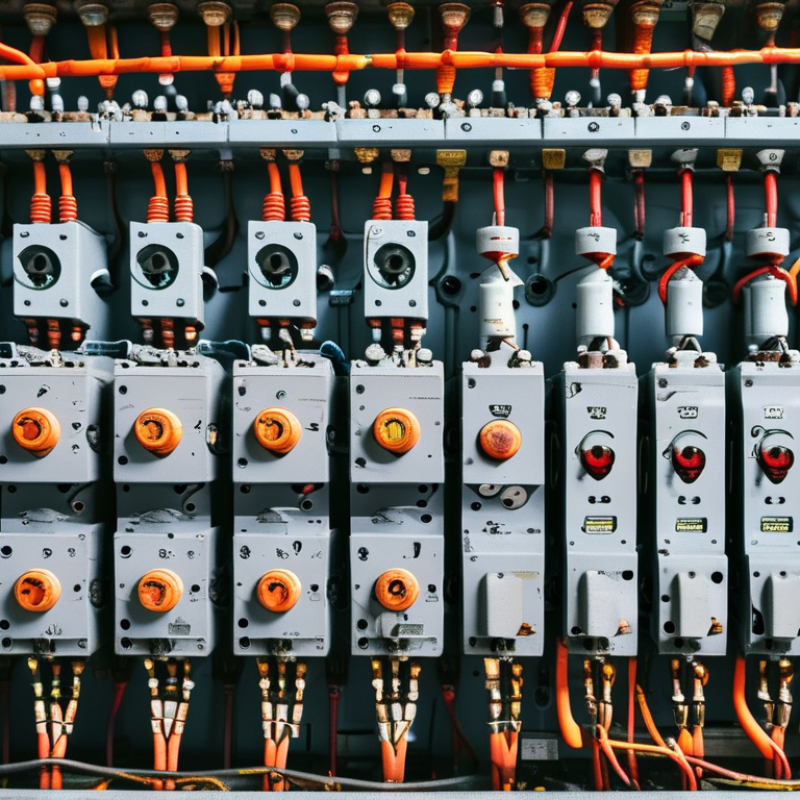
Table of Contents [Hide]
Definition and Role of a DC Power Circuit Breaker
A DC power circuit breaker is a switching and protection device for direct-current systems. Its role is practical: it disconnects dangerous current during overloads or short circuits. It also provides controlled isolation for inspection, maintenance, or emergency shutdowns.
DC current does not naturally cross zero like alternating current. Therefore, opening contacts can sustain a hot, persistent arc. The breaker must stretch, cool, and extinguish that arc safely. That detail separates DC protection from ordinary low-voltage switching. Small device. Serious duty. In battery cabinets, solar arrays, charging equipment, and control panels, this function limits thermal damage and reduces fault energy.
The need is growing with electrification. The International Energy Agency reported nearly 510 gigawatts of renewable capacity additions worldwide in 2023, according to Renewables 2024. Many new installations use battery storage and DC links before power reaches an inverter. The IEA’s Global EV Outlook 2024 recorded almost 14 million electric car sales in 2023. These figures indicate more DC equipment, not automatically better protection. Selection still depends on voltage, continuous current, interrupting rating, polarity, ambient temperature, and fault level. A breaker rated only for AC may fail to clear a DC fault. That mistake is easy to make. Engineers should verify test conditions and coordination with fuses, contactors, and upstream protection. Published data helps frame demand, but field judgment remains essential. In real projects, a neat calculation can still miss a weak connection or unexpected fault path.