
- High-Performance Doors
-
- Applications
-
-
-
- Clean Room
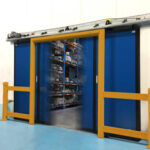
Stainless steel or composite materials help maintain clean rooms.
-
-
- Coolers
Quick opening speeds & tight seals for temperature control.
-
-
- Parking
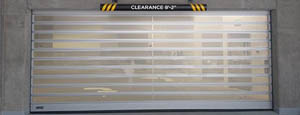
Improve security & traffic flow and enhance architectural style.
-
-
- Hurricane Zone
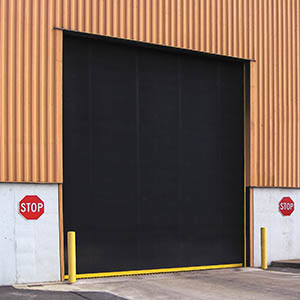
Withstand winds up to 175 mph and comply with the Florida Building Code.
-
-
-
-
- USDA / FDA / cGMP
Increase productivity & address stringent USDA, FDA & cGMP requirements.
-
-
- Freezers
High-speed & perimeter seals minimize the air exchange between areas.
-
-
- Security
High speed & durability ensure secure access.
-
-
- Ventilation
Perforated or screen door panels allow improved air circulation.
-
-
-
-
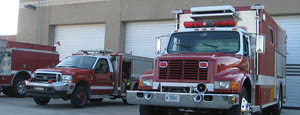
- Fire Station Emergency Response
When time is of the essence, high speed and reliability are crucial.
-
-
- Warehousing
Fast cycle times and secure seals keep environments separated.
-
-
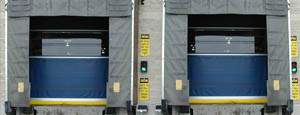
- Loading Dock
Rugged design & secure seal for oversized openings.
-
-
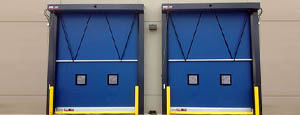
- Large Openings
Break-away functionality with rugged design seals oversized openings.
-
-
-
-
- Heavy Equipment
Withstands challenges of heavy equipment and fleet truck/car wash environments.
-
-
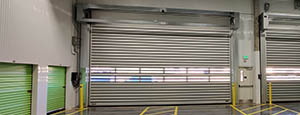
- Self-Storage
Fast opening speeds and reliable, durable construction keep facilities secure and protected.
-
-
- Industries
-
-
-
- Automotive Dealerships
Reduce energy costs, increase productivity and comfort and enhance customer perception.
-
-
- Cold Storage & Processing
Increase productivity and operational efficiency while reducing energy and maintenance costs.
-
-
- Parking
We offer solutions for Apartment / Condo & Loft, Standalone Parking Facilities and Office Buildings
-
-
-
-
- Food & Beverage
Doors specifically engineered for USDA/FDA and cGMP environments, and assured compliance for uncompromising performance.
-
-
- Mfg/Dist/Warehousing
A complete product line allows facilities to increase efficiency and safety and reduce maintenance and energy costs.
-
-
- Government
Ensure effective security and environmental controls are maintained for critical government operations.
-
-
-
-
- Transit
Keep operations running smoothly and efficient while reducing energy and maintenance costs.
-
-
- Pharma, Nutraceutical & Biotech
Doors that offer quick, secure access, environmental control and reliability for life science facilities.
-
-
- Support Resources
- Parts
- Contact Us
- Blog/News
- Why Rytec
- Sales Rep Locator
- Careers
- Dealers
- Architectural Resources


















What Are the Top Types of Hub Motors?
Hub Motors are reshaping electric mobility, especially in e-bikes, scooters, delivery vehicles, and compact urban platforms. The International Energy Agency reported nearly 14 million electric cars sold globally in 2023, representing about 18% of new car sales. However, passenger-car figures do not directly measure hub-motor demand. That distinction matters.
The leading designs include geared hub motors, direct-drive hub motors, and in-wheel motors. Geared systems use internal planetary gears to increase starting torque while reducing motor size. They suit hills, frequent stops, and lightweight bicycles. Direct-drive motors operate quietly and support regenerative braking, but they usually add wheel weight. In-wheel motors place the motor inside the wheel itself. This layout can simplify drivetrain packaging, yet it may expose sensitive components to impacts, water, and road vibration.
The details matter.
Industry research from IDTechEx and MarketsandMarkets identifies electric two-wheelers as important growth areas for compact traction motors. Still, market reports often combine hub motors with other electric motor categories. Their comparisons are not always perfectly consistent. Engineers should therefore examine torque curves, continuous power, thermal limits, efficiency, sealing, and service access. IP ratings should be checked against IEC 60529 requirements, rather than accepted from marketing language alone. A practical test includes a loaded climb, repeated braking, and operation on wet pavement. The best Hub Motors choice depends on the vehicle’s wheel size, payload, terrain, battery voltage, and maintenance expectations. No single design wins every application. That is the point worth challenging.
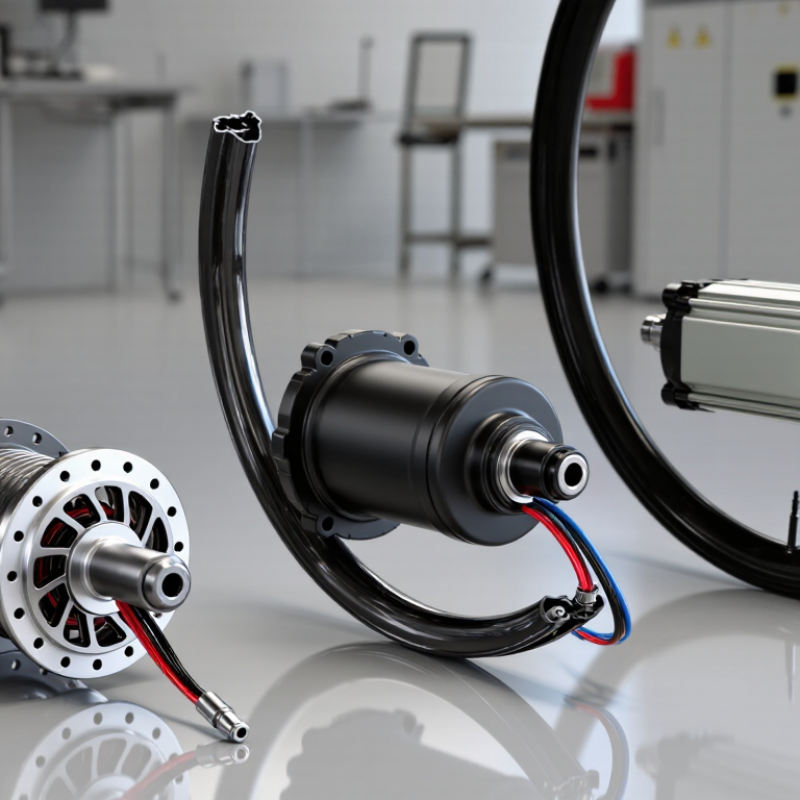
Table of Contents [Hide]
How Hub Motors Work and Where They Fit in Electric Vehicles
Hub motors place propulsion at the wheel instead of using a central motor, driveshaft, and differential. Inside the housing, a stationary stator creates a rotating magnetic field. The rotor then turns the wheel directly. Power electronics control torque, speed, and regenerative braking.
The main types are direct-drive, geared, and in-wheel hub motors. Direct-drive units use fewer moving parts and deliver smooth torque. They can be heavy, however. Geared units add a reduction stage, allowing a smaller motor to produce stronger wheel torque. In-wheel designs sit inside the rim and save cabin space. Their extra unsprung mass can reduce ride comfort on rough roads. That compromise is easy to underestimate.
The International Energy Agency reported nearly 14 million electric-car sales worldwide in 2023, representing about 18% of new-car sales. This growth increases interest in compact propulsion layouts, especially for scooters, delivery vehicles, light urban cars, and low-speed platforms. The U.S. Department of Energy identifies regenerative braking as an important efficiency tool, and hub motors can apply it directly at each driven wheel. Yet passenger cars still face sealing, cooling, impact, and suspension challenges. Road salt is not a friendly laboratory. Real-world durability data also remains less consistent than sales data, so design claims deserve careful testing.