
- High-Performance Doors
-
- Applications
-
-
-
- Clean Room
Stainless steel or composite materials help maintain clean rooms.
-
-
- Coolers
Quick opening speeds & tight seals for temperature control.
-
-
- Parking
Improve security & traffic flow and enhance architectural style.
-
-
- Hurricane Zone
Withstand winds up to 175 mph and comply with the Florida Building Code.
-
-
-
-
- USDA / FDA / cGMP
Increase productivity & address stringent USDA, FDA & cGMP requirements.
-
-
- Freezers
High-speed & perimeter seals minimize the air exchange between areas.
-
-
- Security
High speed & durability ensure secure access.
-
-
- Ventilation
Perforated or screen door panels allow improved air circulation.
-
-
-
-
- Fire Station Emergency Response
When time is of the essence, high speed and reliability are crucial.
-
-
- Warehousing
Fast cycle times and secure seals keep environments separated.
-
-
- Loading Dock
Rugged design & secure seal for oversized openings.
-
-
- Large Openings
Break-away functionality with rugged design seals oversized openings.
-
-
-
-
- Heavy Equipment
Withstands challenges of heavy equipment and fleet truck/car wash environments.
-
-
- Self-Storage
Fast opening speeds and reliable, durable construction keep facilities secure and protected.
-
-
- Industries
-
-
-
- Automotive Dealerships
Reduce energy costs, increase productivity and comfort and enhance customer perception.
-
-
- Cold Storage & Processing
Increase productivity and operational efficiency while reducing energy and maintenance costs.
-
-
- Parking
We offer solutions for Apartment / Condo & Loft, Standalone Parking Facilities and Office Buildings
-
-
-
-
- Food & Beverage
Doors specifically engineered for USDA/FDA and cGMP environments, and assured compliance for uncompromising performance.
-
-
- Mfg/Dist/Warehousing
A complete product line allows facilities to increase efficiency and safety and reduce maintenance and energy costs.
-
-
- Government
Ensure effective security and environmental controls are maintained for critical government operations.
-
-
-
-
- Transit
Keep operations running smoothly and efficient while reducing energy and maintenance costs.
-
-
- Pharma, Nutraceutical & Biotech
Doors that offer quick, secure access, environmental control and reliability for life science facilities.
-
-
- Support Resources
- Parts
- Contact Us
- Blog/News
- Why Rytec
- Sales Rep Locator
- Careers
- Dealers
- Architectural Resources























Top Tips for Sourcing Custom Private Label Shoes Globally?
Sourcing Custom Private Label Shoes can be a complex process. Success requires a deep understanding of the global market. As brands seek to establish unique identities, private labeling offers a compelling solution. Manufacturers around the world provide diverse options. However, it’s important to navigate challenges carefully.
When sourcing, transparency is crucial. You need reliable partners. Product quality and ethical standards matter significantly. Look for manufacturers that have a good reputation. Seek samples before making large orders. This helps avoid costly mistakes.
Each region has its strengths. For instance, certain countries excel in craftsmanship, while others may offer lower costs. Knowing your target audience helps in choosing the right source. It's easy to overlook these details as you scale, but reflecting on them can guide better choices. Custom Private Label Shoes can stand out, but only if you’re diligent in your sourcing strategy.
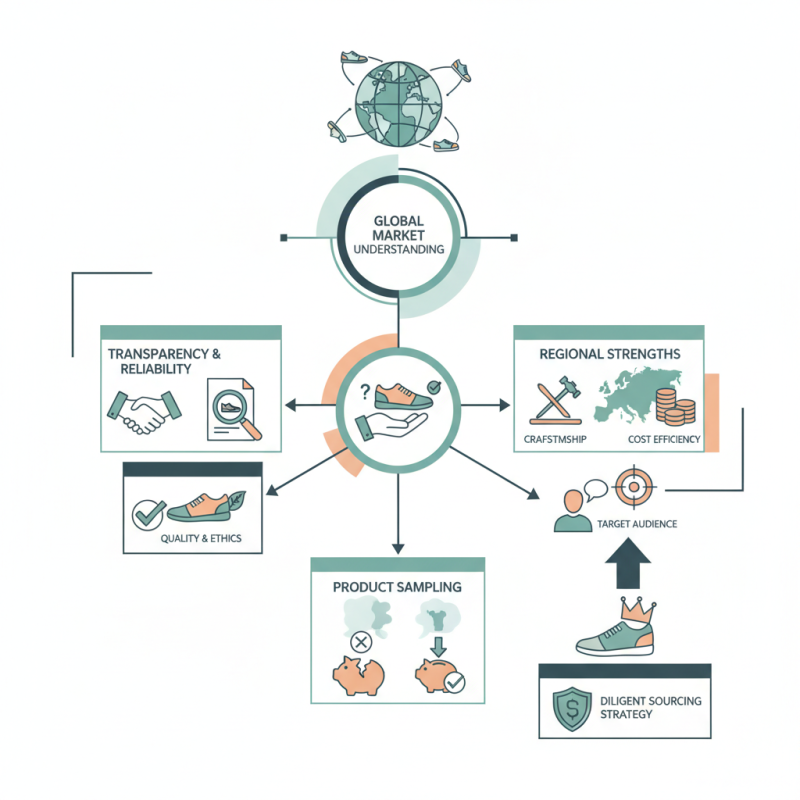
Table of Contents [Hide]
Understanding the Private Label Shoe Market and Its Opportunities
The private label shoe market offers significant opportunities for businesses aiming to create unique products. With increasing consumer interest in customized footwear, understanding market dynamics becomes essential. Many companies are looking to global suppliers, seeking quality materials and manufacturing processes. However, many face challenges in identifying reliable partners. Each touchpoint in the supply chain matters.
Sourcing shoes involves various factors including design, materials, and pricing. Manufacturers in different countries may offer unique advantages. However, communication barriers can hinder effective collaboration. Researching potential suppliers' backgrounds and verifying their capabilities is crucial. Misunderstandings can lead to wasted resources.
Crafting a successful private label strategy demands careful planning and execution. Adapting to market trends while maintaining quality is vital. Companies must not overlook the importance of testing samples before committing to large orders. It is also wise to seek feedback from consumers early in the process. This iterative approach can refine product offerings over time.
Top Tips for Sourcing Custom Private Label Shoes Globally
| Dimension | Data |
|---|---|
| Market Size (2023) | $27 billion |
| Projected Growth (2028) | 5.4% CAGR |
| Top Sourcing Regions | China, Vietnam, India |
| Average MOQ | 500 pairs |
| Lead Time | 60-90 days |
| Key Factors for Sourcing | Quality, Cost, Sustainability |
| Popular Materials | Leather, Canvas, Synthetic |
| Custom Design Options | Colors, Patterns, Logos |
| Shipping Options | Air Freight, Sea Freight |