
- High-Performance Doors
-
- Applications
-
-
-
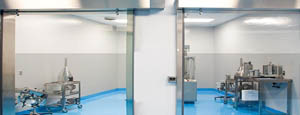
- Clean Room
Stainless steel or composite materials help maintain clean rooms.
-
-
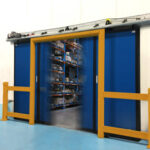
- Coolers
Quick opening speeds & tight seals for temperature control.
-
-
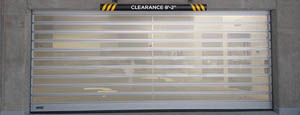
- Parking
Improve security & traffic flow and enhance architectural style.
-
-
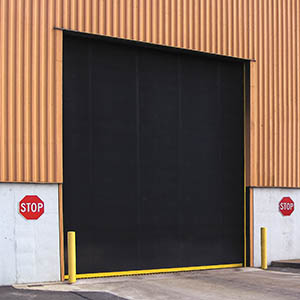
- Hurricane Zone
Withstand winds up to 175 mph and comply with the Florida Building Code.
-
-
-
-
- USDA / FDA / cGMP
Increase productivity & address stringent USDA, FDA & cGMP requirements.
-
-
- Freezers
High-speed & perimeter seals minimize the air exchange between areas.
-
-
- Security
High speed & durability ensure secure access.
-
-
- Ventilation
Perforated or screen door panels allow improved air circulation.
-
-
-
-
- Fire Station Emergency Response
When time is of the essence, high speed and reliability are crucial.
-
-
- Warehousing
Fast cycle times and secure seals keep environments separated.
-
-
- Loading Dock
Rugged design & secure seal for oversized openings.
-
-
- Large Openings
Break-away functionality with rugged design seals oversized openings.
-
-
-
-
- Heavy Equipment
Withstands challenges of heavy equipment and fleet truck/car wash environments.
-
-
- Self-Storage
Fast opening speeds and reliable, durable construction keep facilities secure and protected.
-
-
- Industries
-
-
-
- Automotive Dealerships
Reduce energy costs, increase productivity and comfort and enhance customer perception.
-
-
- Cold Storage & Processing
Increase productivity and operational efficiency while reducing energy and maintenance costs.
-
-
- Parking
We offer solutions for Apartment / Condo & Loft, Standalone Parking Facilities and Office Buildings
-
-
-
-
- Food & Beverage
Doors specifically engineered for USDA/FDA and cGMP environments, and assured compliance for uncompromising performance.
-
-
- Mfg/Dist/Warehousing
A complete product line allows facilities to increase efficiency and safety and reduce maintenance and energy costs.
-
-
- Government
Ensure effective security and environmental controls are maintained for critical government operations.
-
-
-
-
- Transit
Keep operations running smoothly and efficient while reducing energy and maintenance costs.
-
-
- Pharma, Nutraceutical & Biotech
Doors that offer quick, secure access, environmental control and reliability for life science facilities.
-
-
- Support Resources
- Parts
- Contact Us
- Blog/News
- Why Rytec
- Sales Rep Locator
- Careers
- Dealers
- Architectural Resources





















Top Tips for Choosing the Right Pa Filament Masterbatch?
Choosing the right Pa Filament Masterbatch can significantly affect your production quality. Industry expert Dr. Emily Chen emphasizes, "Selecting the right masterbatch is the key to enhancing material performance." This insight highlights the importance of careful consideration.
In today’s competitive market, understanding the specific needs of your application is crucial. Different formulations offer varying benefits. Some improve strength, while others focus on enhancing color or flexibility. Your choice should align with the product's intended use.
Navigating the vast array of options can be overwhelming. Look for vendors with a strong reputation. Ensure they provide detailed product information. Their expertise can guide you toward suitable choices. A thoughtless decision may lead to issues like poor print quality or inadequate durability. Reflect on your priorities before making the final choice.

Table of Contents [Hide]
Understanding PA Filament Masterbatches and Their Importance
PA filament masterbatches play a crucial role in the 3D printing industry. They enhance the mechanical properties of the filament and ensure better print quality. According to a recent industry report, the market for nylon filament is expected to grow significantly, driven by increasing demand in aerospace and automotive sectors. The use of PA masterbatches can improve flexibility and strength, which are essential for high-performance applications.
Choosing the right PA filament masterbatch involves several considerations. One tip is to look for masterbatches that contain high-quality additives. These enhance properties like UV resistance and thermal stability. Pay attention to the compatibility of the masterbatch with your base PA material. Mismatched compositions can lead to poor extrudability and defects in printed parts.
Another important factor is the recommended processing parameters provided by the supplier. Each PA masterbatch has specific requirements, and adhering to these can prevent issues during printing. Conducting small-scale tests can help identify the optimal settings. Finding the right balance between performance and cost is vital. Investing in quality masterbatches may seem expensive upfront, but can save costs in the long run by reducing waste and improving performance.