
- High-Performance Doors
-
- Applications
-
-
-
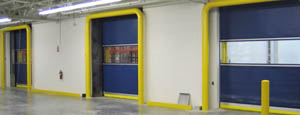
- Clean Room
Stainless steel or composite materials help maintain clean rooms.
-
-
- Coolers
Quick opening speeds & tight seals for temperature control.
-
-
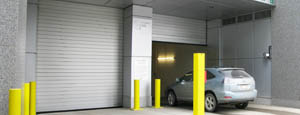
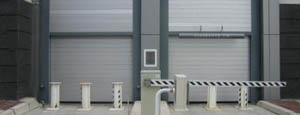
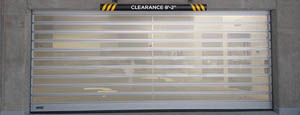
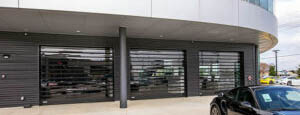
- Parking
Improve security & traffic flow and enhance architectural style.
-
-
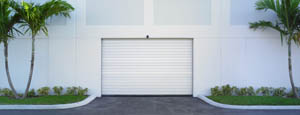
- Hurricane Zone
Withstand winds up to 175 mph and comply with the Florida Building Code.
-
-
-
-
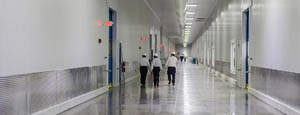
- USDA / FDA / cGMP
Increase productivity & address stringent USDA, FDA & cGMP requirements.
-
-
- Freezers
High-speed & perimeter seals minimize the air exchange between areas.
-
-
- Security
High speed & durability ensure secure access.
-
-
- Ventilation
Perforated or screen door panels allow improved air circulation.
-
-
-
-
- Fire Station Emergency Response
When time is of the essence, high speed and reliability are crucial.
-
-
- Warehousing
Fast cycle times and secure seals keep environments separated.
-
-
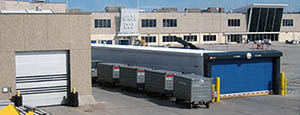
- Loading Dock
Rugged design & secure seal for oversized openings.
-
-
- Large Openings
Break-away functionality with rugged design seals oversized openings.
-
-
-
-
- Heavy Equipment
Withstands challenges of heavy equipment and fleet truck/car wash environments.
-
-
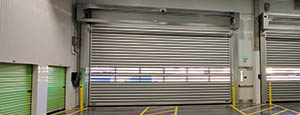
- Self-Storage
Fast opening speeds and reliable, durable construction keep facilities secure and protected.
-
-
- Industries
-
-
-
- Automotive Dealerships
Reduce energy costs, increase productivity and comfort and enhance customer perception.
-
-
- Cold Storage & Processing
Increase productivity and operational efficiency while reducing energy and maintenance costs.
-
-
- Parking
We offer solutions for Apartment / Condo & Loft, Standalone Parking Facilities and Office Buildings
-
-
-
-
- Food & Beverage
Doors specifically engineered for USDA/FDA and cGMP environments, and assured compliance for uncompromising performance.
-
-
- Mfg/Dist/Warehousing
A complete product line allows facilities to increase efficiency and safety and reduce maintenance and energy costs.
-
-
- Government
Ensure effective security and environmental controls are maintained for critical government operations.
-
-
-
-
- Transit
Keep operations running smoothly and efficient while reducing energy and maintenance costs.
-
-
- Pharma, Nutraceutical & Biotech
Doors that offer quick, secure access, environmental control and reliability for life science facilities.
-
-
- Support Resources
- Parts
- Contact Us
- Blog/News
- Why Rytec
- Sales Rep Locator
- Careers
- Dealers
- Architectural Resources












Top 10 Tips for Choosing the Best Artificial Board MDF Doors
When it comes to enhancing the aesthetic and functional aspects of a home or commercial space, choosing the right doors is paramount. Among the myriad options available, Artificial Board MDF Doors have gained popularity due to their versatility, durability, and cost-effectiveness. These doors, made from medium-density fiberboard, offer a sleek finish and can be customized to suit various design preferences. However, selecting the best Artificial Board MDF Doors requires careful consideration of several factors to ensure they meet both practical needs and aesthetic desires.
In this guide, we will explore the top 10 tips for choosing the best Artificial Board MDF Doors. From understanding the material properties to considering the overall design and installation process, these tips aim to empower homeowners, builders, and designers in making informed decisions. By examining the key elements and features that contribute to the quality and performance of MDF doors, you will be well-equipped to choose options that not only align with your vision but also stand the test of time in terms of functionality and style.
Table of Contents [Hide]
Understanding the Characteristics of MDF in Door Manufacturing
MDF, or Medium Density Fiberboard, has become a popular choice in the manufacturing of doors due to its unique characteristics and advantages over traditional materials. One of the primary features of MDF is its uniform density and smooth surface, which allows for a superior finish when painted or veneered. According to industry reports, over 50% of interior doors manufactured in the last decade utilized MDF primarily because it facilitates intricate designs that traditional wood cannot achieve. Its ability to be easily shaped and molded makes it particularly appealing for modern architectural applications.
Furthermore, the sustainability aspect of MDF also contributes to its popularity. Made from recycled wood fibers and a relatively small amount of adhesive, it offers an eco-friendly alternative to solid wood doors. Reports from the Wood Products Council indicate that MDF doors can reduce reliance on solid wood materials, promoting responsible forestry practices. Additionally, MDF's resistance to warping and splitting ensures longevity and durability, with studies showing that properly maintained MDF doors can have a lifespan exceeding 30 years. These attributes not only provide aesthetic flexibility but also align with evolving consumer preferences for sustainable materials in home construction and renovation.
Evaluating Density and Thickness: Key Metrics for MDF Doors
When considering MDF doors, evaluating density and thickness is crucial for determining their quality and suitability for your needs. MDF, or medium-density fiberboard, is made from wood fibers compressed under heat and pressure. The density of MDF is a key metric; higher density boards tend to be more durable, providing better resistance to moisture and warping. A denser board often translates into improved soundproofing qualities and a smoother finish, making it an ideal choice for internal doors or applications where aesthetic appeal is essential.
Thickness also plays a critical role in the performance of MDF doors. Standard thicknesses typically range between 18mm to 25mm, with variations suited to different applications. Thicker MDF doors offer enhanced strength and stability, making them less likely to bow or twist over time. Additionally, thicker boards can accommodate more intricate designs and hardware, ensuring a seamless fit within any architectural style. Therefore, when selecting MDF doors, carefully consider both density and thickness to achieve the best results for durability, functionality, and visual impact.
Density and Thickness of MDF Doors
Assessing Finish Options for Aesthetic and Durability in MDF Doors
When selecting MDF doors, the finish options are paramount for both aesthetics and durability. A well-chosen finish not only enhances the visual appeal of the door but also protects it from everyday wear and tear. One popular option is a laminate finish; it offers a variety of textures and colors that can suit any design scheme while providing a robust layer of protection against scratches and moisture. Additionally, laminate finishes are easy to clean, making them an excellent choice for high-traffic areas.
Another viable option is a painted finish, which allows for more customization and creativity in design. High-quality paints can provide a smooth, exquisite look and can be matched to the existing decor of a space. However, it is crucial to choose paints that offer good adhesion and are resistant to chipping and fading. Both finishes can be enhanced with a clear top coat for added durability, ensuring that the doors maintain their appearance and functionality over time. By carefully assessing these finish options, homeowners can find the perfect balance between beauty and longevity in their MDF doors.
Exploring Environmental Certifications for Sustainable MDF Choices
When choosing the best MDF doors, understanding environmental certifications is crucial for making sustainable selections. Certifications such as the Forest Stewardship Council (FSC) and the Programme for the Endorsement of Forest Certification (PEFC) indicate that the MDF has been sourced from responsibly managed forests. These certifications highlight practices that maintain ecological balance, promote biodiversity, and ensure that timber production processes do not contribute to deforestation. Opting for doors that carry these labels can significantly reduce the overall environmental impact of your building choices.
Moreover, looking for products that comply with low emissions standards, such as the GREENGUARD certification, ensures that the MDF doors are not only sustainable but also contribute to healthier indoor air quality. This is particularly important in residential and commercial spaces where air quality can affect occupants' health. By prioritizing materials that are recognized for their sustainability and low environmental impact, consumers can make informed decisions that support both environmental responsibility and personal well-being. Thus, understanding these certifications empowers buyers to choose MDF doors that align with eco-friendly values.
Comparing Cost and Performance: Balancing Budget with Quality in MDF Doors
When selecting MDF doors, it's essential to find a balance between cost and performance. While it may be tempting to prioritize the lowest price, this approach can lead to compromises in quality that could result in higher long-term costs. Higher-quality MDF doors often feature better durability and resistance to wear, moisture, and warping. These factors play a significant role in the door's longevity, and investing in quality materials can save money on repairs and replacements down the line.
Additionally, understanding the specifications associated with MDF doors can help inform your purchasing decision. Look for features such as density, thickness, and surface treatments, as these can enhance the overall performance of the doors. Setting a budget that reflects your willingness to invest in quality while still considering your specific needs will ultimately lead to a more satisfying purchase. Balancing these aspects can ensure that you not only stay within your financial limits but also enhance the aesthetic and functional value of your spaces.
We use cookies to ensure that we give you the best experience on our website. If you continue to use this site we will assume that you are happy with it.