
- High-Performance Doors
-
- Applications
-
-
-
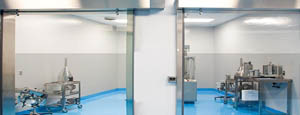
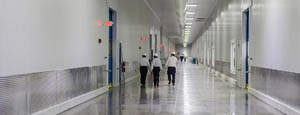
- Clean Room
Stainless steel or composite materials help maintain clean rooms.
-
-
- Coolers
Quick opening speeds & tight seals for temperature control.
-
-
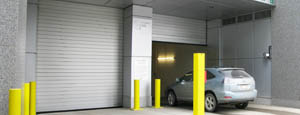
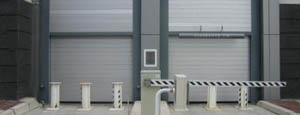
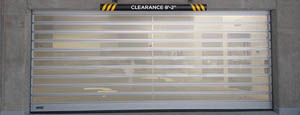
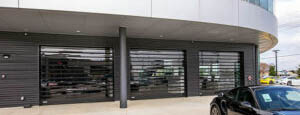
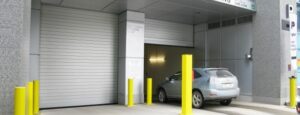
- Parking
Improve security & traffic flow and enhance architectural style.
-
-
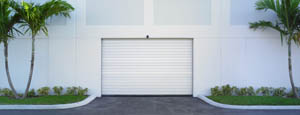
- Hurricane Zone
Withstand winds up to 175 mph and comply with the Florida Building Code.
-
-
-
-
- USDA / FDA / cGMP
Increase productivity & address stringent USDA, FDA & cGMP requirements.
-
-
- Freezers
High-speed & perimeter seals minimize the air exchange between areas.
-
-
- Security
High speed & durability ensure secure access.
-
-
- Ventilation
Perforated or screen door panels allow improved air circulation.
-
-
-
-
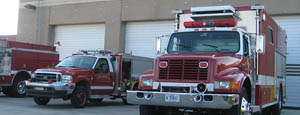
- Fire Station Emergency Response
When time is of the essence, high speed and reliability are crucial.
-
-
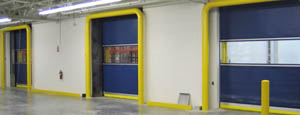
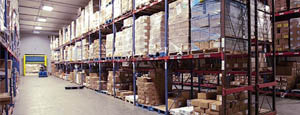
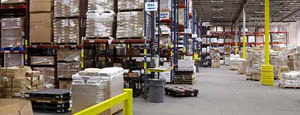
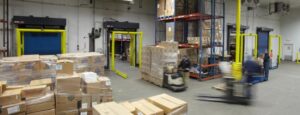
- Warehousing
Fast cycle times and secure seals keep environments separated.
-
-
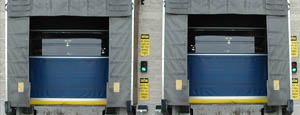
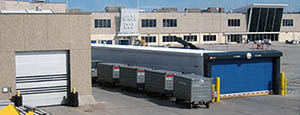
- Loading Dock
Rugged design & secure seal for oversized openings.
-
-
- Large Openings
Break-away functionality with rugged design seals oversized openings.
-
-
-
-
- Heavy Equipment
Withstands challenges of heavy equipment and fleet truck/car wash environments.
-
-
- Self-Storage
Fast opening speeds and reliable, durable construction keep facilities secure and protected.
-
-
- Industries
-
-
-
- Automotive Dealerships
Reduce energy costs, increase productivity and comfort and enhance customer perception.
-
-
- Cold Storage & Processing
Increase productivity and operational efficiency while reducing energy and maintenance costs.
-
-
- Parking
We offer solutions for Apartment / Condo & Loft, Standalone Parking Facilities and Office Buildings
-
-
-
-
- Food & Beverage
Doors specifically engineered for USDA/FDA and cGMP environments, and assured compliance for uncompromising performance.
-
-
- Mfg/Dist/Warehousing
A complete product line allows facilities to increase efficiency and safety and reduce maintenance and energy costs.
-
-
- Government
Ensure effective security and environmental controls are maintained for critical government operations.
-
-
-
-
- Transit
Keep operations running smoothly and efficient while reducing energy and maintenance costs.
-
-
- Pharma, Nutraceutical & Biotech
Doors that offer quick, secure access, environmental control and reliability for life science facilities.
-
-
- Support Resources
- Parts
- Contact Us
- Blog/News
- Why Rytec
- Sales Rep Locator
- Careers
- Dealers
- Architectural Resources


Top Special Solidifying Agents for Metal Primer Buyers
Selecting a Special Solidify Agent For Metal Primer requires more than comparing cure speed or purchase price. Buyers must examine adhesion, corrosion resistance, storage stability, and compatibility with the complete primer system. The agent should support reliable film formation on steel, aluminum, and treated metal surfaces. It must also perform under realistic humidity and temperature conditions.
As adhesion authority Dr. George Wypych states, “Adhesion is a surface phenomenon.” That principle deserves careful attention. A strong solidifying agent cannot correct oil residue, flash rust, poor abrasion, or an unsuitable substrate profile. Surface preparation still matters. A lot.
This introduction will guide buyers through practical selection criteria for industrial metal primers. It will compare curing behavior, pot life, hardness development, flexibility, and resistance to moisture. It will also consider application details, such as spray viscosity, mixing accuracy, and film thickness. These factors often decide whether a primer survives transport, fabrication, and outdoor exposure.
Laboratory data helps, but it does not tell the whole story. Plant trials may reveal slow curing around weld seams or brittleness on sharply bent panels. Those failures are easy to overlook during a neat laboratory test. Buyers should request technical data sheets, safety information, batch consistency records, and application guidance. Independent validation remains valuable.
No single Special Solidify Agent For Metal Primer fits every formulation. The best choice balances chemistry, processing conditions, substrate demands, and long-term service expectations. Some purchasing decisions still rely too heavily on headline performance. That deserves reconsideration.
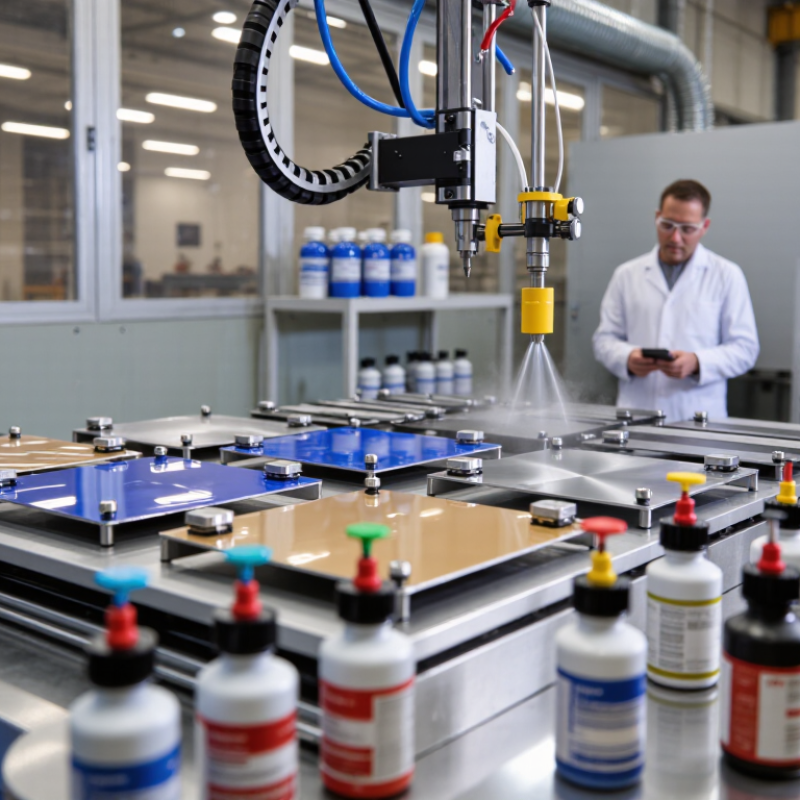
Table of Contents [Hide]
What Solidifying Agents Do in Metal Primers
Top Special Solidifying Agents for Metal Primer Buyers
What Solidifying Agents Do in Metal Primers
Solidifying agents, commonly called curing agents, transform liquid primer into a durable protective film. They react with the resin and create crosslinked networks. This structure improves adhesion, hardness, chemical resistance, and moisture protection on steel surfaces.
Amine curing agents often provide strong bonding and room-temperature curing. Polyamide types usually offer better flexibility and longer working time. Phenalkamine systems can cure in cooler, damp conditions. Blocked isocyanates need heat, but they may deliver excellent hardness and solvent resistance. The choice depends on substrate preparation, application temperature, film thickness, and required service life.
The NACE IMPACT study estimated global corrosion costs at about US$2.5 trillion annually, equal to roughly 3.4% of global GDP. This figure explains why curing-agent selection deserves technical attention. A primer that feels dry may still be chemically immature. Check pot life, recoat window, humidity tolerance, and adhesion after full cure. ISO 12944 guidance also connects coating performance with corrosivity categories and durability expectations.
Field testing should include cross-cut adhesion, salt-spray exposure, hardness development, and water immersion. Faster curing is not always better. It can reduce application time, yet increase brittleness or shorten pot life. That trade-off is easy to overlook. Buyers should request batch consistency data, technical datasheets, and independent test results before approval. Small laboratory panels can reveal problems that a glossy sample hides.