
- High-Performance Doors
-
- Applications
-
-
-
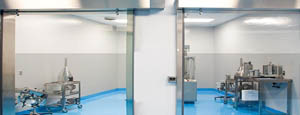
- Clean Room
Stainless steel or composite materials help maintain clean rooms.
-
-
- Coolers
Quick opening speeds & tight seals for temperature control.
-
-
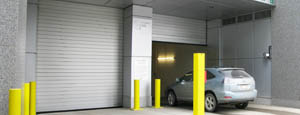
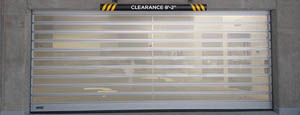
- Parking
Improve security & traffic flow and enhance architectural style.
-
-
- Hurricane Zone
Withstand winds up to 175 mph and comply with the Florida Building Code.
-
-
-
-
- USDA / FDA / cGMP
Increase productivity & address stringent USDA, FDA & cGMP requirements.
-
-
- Freezers
High-speed & perimeter seals minimize the air exchange between areas.
-
-
- Security
High speed & durability ensure secure access.
-
-
- Ventilation
Perforated or screen door panels allow improved air circulation.
-
-
-
-
- Fire Station Emergency Response
When time is of the essence, high speed and reliability are crucial.
-
-
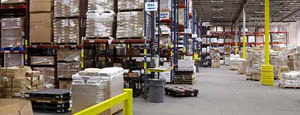
- Warehousing
Fast cycle times and secure seals keep environments separated.
-
-
- Loading Dock
Rugged design & secure seal for oversized openings.
-
-
- Large Openings
Break-away functionality with rugged design seals oversized openings.
-
-
-
-
- Heavy Equipment
Withstands challenges of heavy equipment and fleet truck/car wash environments.
-
-
- Self-Storage
Fast opening speeds and reliable, durable construction keep facilities secure and protected.
-
-
- Industries
-
-
-
- Automotive Dealerships
Reduce energy costs, increase productivity and comfort and enhance customer perception.
-
-
- Cold Storage & Processing
Increase productivity and operational efficiency while reducing energy and maintenance costs.
-
-
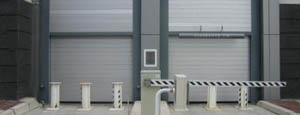
- Parking
We offer solutions for Apartment / Condo & Loft, Standalone Parking Facilities and Office Buildings
-
-
-
-
- Food & Beverage
Doors specifically engineered for USDA/FDA and cGMP environments, and assured compliance for uncompromising performance.
-
-
- Mfg/Dist/Warehousing
A complete product line allows facilities to increase efficiency and safety and reduce maintenance and energy costs.
-
-
- Government
Ensure effective security and environmental controls are maintained for critical government operations.
-
-
-
-
- Transit
Keep operations running smoothly and efficient while reducing energy and maintenance costs.
-
-
- Pharma, Nutraceutical & Biotech
Doors that offer quick, secure access, environmental control and reliability for life science facilities.
-
-
- Support Resources
- Parts
- Contact Us
- Blog/News
- Why Rytec
- Sales Rep Locator
- Careers
- Dealers
- Architectural Resources












What Are the Top PP Non Woven Fabric Types?
Choosing the right Pp Non Woven Fabric starts with understanding how each structure behaves in real applications. Spunbond fabric offers strength, softness, and stable sheet formation, making it common in packaging, agriculture, and hygiene products. Meltblown fabric uses fine fibers to improve filtration and surface area. It can feel delicate, however. SMS fabric combines spunbond and meltblown layers, creating a practical balance between strength, liquid resistance, and breathability.
Other types deserve equal attention. Needle-punched nonwoven fabric has a firm, textile-like texture and performs well in geotextiles, filtration, automotive interiors, and protective padding. Spunlace fabric feels more cloth-like because high-pressure water entangles its fibers. It is often selected for wipes and medical-related products. Thermally bonded fabric can provide clean edges and consistent thickness, but excessive heat may reduce softness or flexibility.
In production, experienced buyers compare basis weight, tensile strength, elongation, pore structure, absorbency, and air permeability. Supplier samples should be tested under conditions that resemble actual use. A material that performs well in a laboratory may behave differently after folding, moisture exposure, or heat treatment. That detail matters.
There is no single “best” type. The ideal choice depends on the product’s load, environment, processing method, and required service life. Cost alone can mislead. Sometimes, a slightly heavier fabric reduces failures and waste. Sometimes, it only adds unnecessary weight. Reviewing technical datasheets, test reports, and traceable quality records supports a more reliable decision. Mistakes still happen, especially when buyers focus on appearance instead of structure. That is worth remembering.
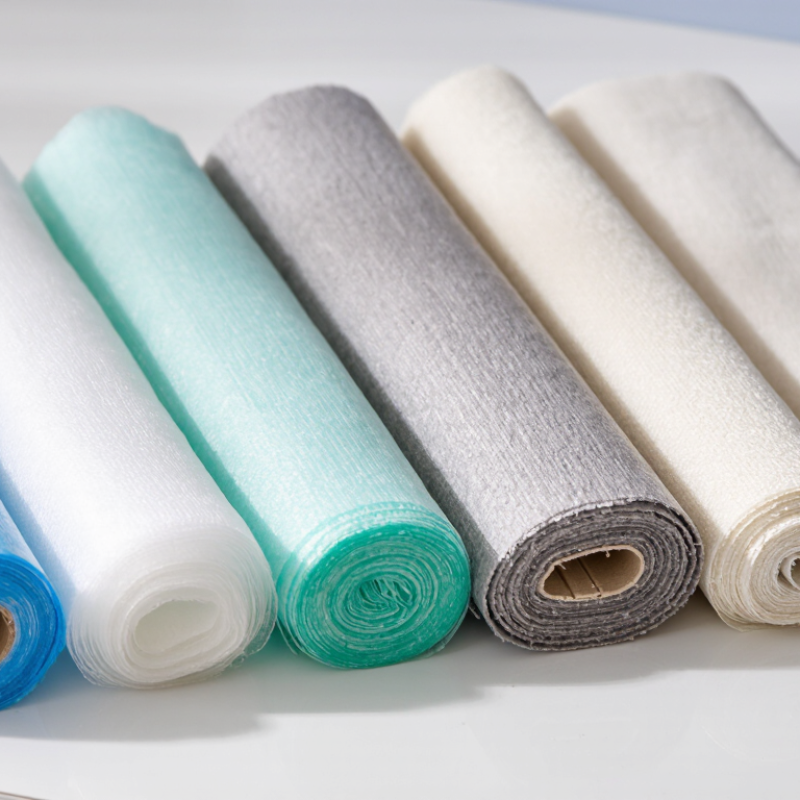
Table of Contents [Hide]
Classify PP Nonwovens by Process, Fiber Form, and Basis Weight
What Are the Top PP Non Woven Fabric Types?
Polypropylene nonwovens are best classified by process, fiber form, and basis weight. Spunbond fabric uses continuous filaments formed through spinning and web bonding. It offers good strength, softness, and tear resistance for bags, hygiene layers, and protective covers. Meltblown fabric uses extremely fine filaments and creates a dense web. It is commonly selected for filtration and barrier applications. SMS combines spunbond and meltblown layers, balancing strength with improved liquid and particle resistance.
Fiber form changes fabric behavior. Continuous filaments usually provide higher tensile strength and cleaner surfaces. Staple fibers are cut into short lengths before carding and bonding. They can create a more textile-like hand feel, but bonding consistency requires careful control. Basis weight, measured in grams per square meter, also matters. Light fabrics may range from 10 to 25 gsm, while heavier industrial grades can exceed 100 gsm. A higher basis weight is not automatically better. It can increase stiffness, cost, and drying time.
Tips: Match the fabric to its real workload. Check tensile strength, elongation, air permeability, and hydrostatic pressure, not weight alone. Ask for production samples. Small differences in bonding temperature can affect softness and strength. In practice, specifications sometimes look perfect but feel unsuitable. Recheck the surface, edge stability, and performance after handling. That extra review is easy to skip.