
- High-Performance Doors
-
- Applications
-
-
-
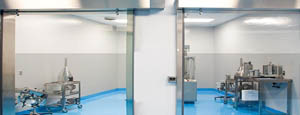
- Clean Room
Stainless steel or composite materials help maintain clean rooms.
-
-
- Coolers
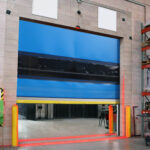
Quick opening speeds & tight seals for temperature control.
-
-
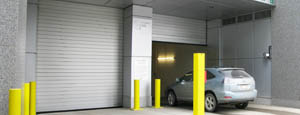
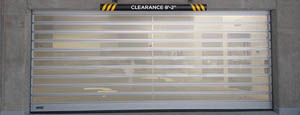
- Parking
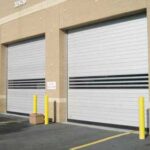
Improve security & traffic flow and enhance architectural style.
-
-
- Hurricane Zone
Withstand winds up to 175 mph and comply with the Florida Building Code.
-
-
-
-
- USDA / FDA / cGMP
Increase productivity & address stringent USDA, FDA & cGMP requirements.
-
-
- Freezers
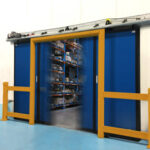
High-speed & perimeter seals minimize the air exchange between areas.
-
-
- Security
High speed & durability ensure secure access.
-
-
- Ventilation
Perforated or screen door panels allow improved air circulation.
-
-
-
-
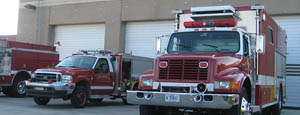
- Fire Station Emergency Response
When time is of the essence, high speed and reliability are crucial.
-
-
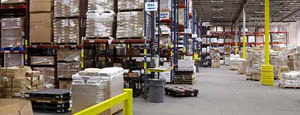
- Warehousing
Fast cycle times and secure seals keep environments separated.
-
-
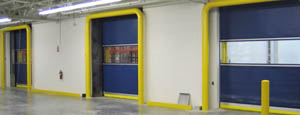
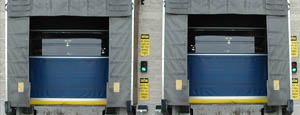
- Loading Dock
Rugged design & secure seal for oversized openings.
-
-
- Large Openings
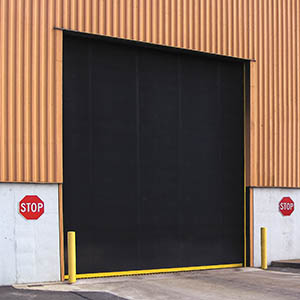
Break-away functionality with rugged design seals oversized openings.
-
-
-
-
- Heavy Equipment
Withstands challenges of heavy equipment and fleet truck/car wash environments.
-
-
- Self-Storage
Fast opening speeds and reliable, durable construction keep facilities secure and protected.
-
-
- Industries
-
-
-
- Automotive Dealerships
Reduce energy costs, increase productivity and comfort and enhance customer perception.
-
-
- Cold Storage & Processing
Increase productivity and operational efficiency while reducing energy and maintenance costs.
-
-
- Parking
We offer solutions for Apartment / Condo & Loft, Standalone Parking Facilities and Office Buildings
-
-
-
-
- Food & Beverage
Doors specifically engineered for USDA/FDA and cGMP environments, and assured compliance for uncompromising performance.
-
-
- Mfg/Dist/Warehousing
A complete product line allows facilities to increase efficiency and safety and reduce maintenance and energy costs.
-
-
- Government
Ensure effective security and environmental controls are maintained for critical government operations.
-
-
-
-
- Transit
Keep operations running smoothly and efficient while reducing energy and maintenance costs.
-
-
- Pharma, Nutraceutical & Biotech
Doors that offer quick, secure access, environmental control and reliability for life science facilities.
-
-
- Support Resources
- Parts
- Contact Us
- Blog/News
- Why Rytec
- Sales Rep Locator
- Careers
- Dealers
- Architectural Resources





Top Power Switchgear Manufacturers for Global Buyers
Choosing a switchgear manufacturer is a practical decision with long-term consequences. A lineup may look polished in a catalog, yet its real value appears in a substation, factory, or commercial building under demanding conditions. Buyers need to compare voltage ratings, fault-clearing performance, protection options, service access, and support after installation. Small details matter: Can technicians reach a breaker safely? Are replacement parts available locally? How clearly does the supplier document testing?
Electrical engineer and author J. C. Das has written extensively on switchgear and protection. A concise editorial principle reflecting that technical focus is: “Reliable switchgear is judged by how safely and predictably it performs under fault conditions.” This is a paraphrase, not a verbatim quotation. It points to a useful starting place. Strong claims deserve evidence, such as relevant type-test reports, traceable product specifications, and clear maintenance guidance.
This guide to Top Power Switchgear Manufacturers for Global Buyers examines more than brand recognition. It considers product range, manufacturing capability, quality controls, project experience, and responsiveness across regions. Buyers should also check whether a supplier’s equipment fits local grid requirements and site conditions. No manufacturer is ideal for every project. That is worth remembering. A low purchase price may conceal longer delivery times or limited field support, while a premium product may exceed actual needs. The comparison ahead aims to make those trade-offs visible and help procurement teams ask sharper questions before requesting a quotation.
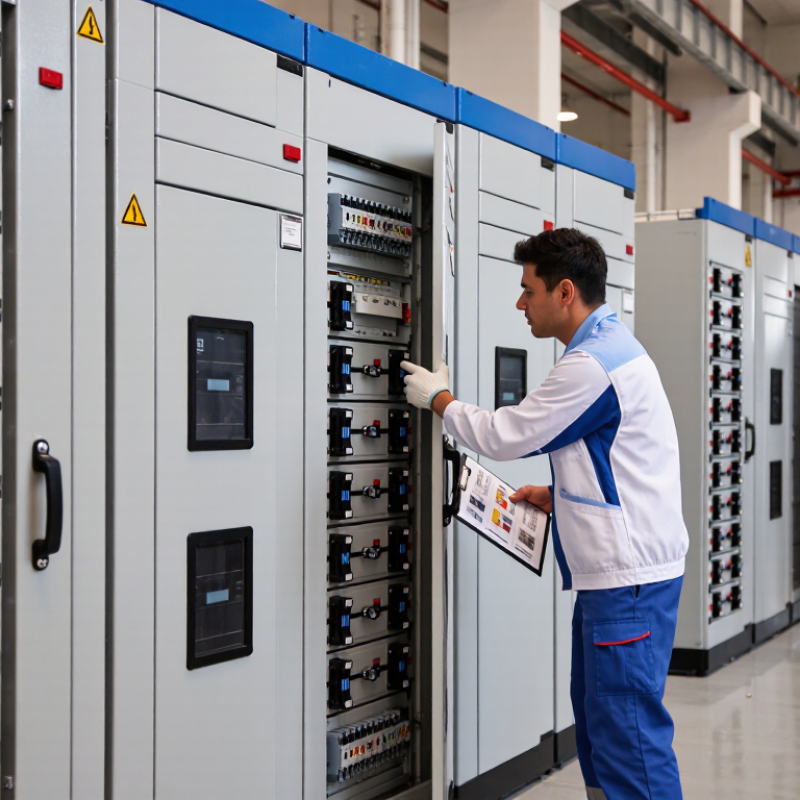
Table of Contents [Hide]
Power Switchgear: Functions, Types, and Applications
Power switchgear controls, protects, and isolates electrical circuits. In a substation, metal-enclosed panels route incoming power to feeders, while circuit breakers interrupt dangerous fault currents. Disconnectors provide visible isolation for maintenance; protection relays detect abnormal conditions and trigger a breaker. These details matter in factories, commercial buildings, renewable-energy sites, and utility networks.
Common types include low-, medium-, and high-voltage switchgear, classified by operating voltage and installation needs. Air-insulated units are often practical where space is available. Gas-insulated designs can reduce footprint, though their environmental and maintenance considerations deserve careful review. The International Energy Agency’s 2023 report, Electricity Grids and Secure Energy Transitions, estimates that annual grid investment must rise above USD 600 billion by 2030. That need makes reliable switching and protection equipment increasingly important. Still, a broad investment forecast cannot tell buyers which configuration suits a specific site.
Tips: Match rated voltage, short-circuit withstand, and enclosure protection to the actual installation. Check access for cable termination and servicing. A compact panel may look efficient, yet leave too little room for safe maintenance. Ask suppliers for type-test evidence, clear drawings, and documented operating limits before comparing quotations.