
- High-Performance Doors
-
- Applications
-
-
-
- Clean Room
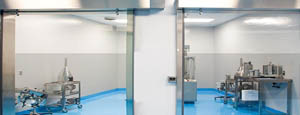
Stainless steel or composite materials help maintain clean rooms.
-
-
- Coolers
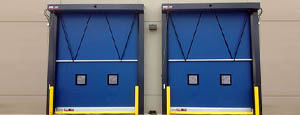
Quick opening speeds & tight seals for temperature control.
-
-
- Parking
Improve security & traffic flow and enhance architectural style.
-
-
- Hurricane Zone
Withstand winds up to 175 mph and comply with the Florida Building Code.
-
-
-
-
- USDA / FDA / cGMP
Increase productivity & address stringent USDA, FDA & cGMP requirements.
-
-
- Freezers
High-speed & perimeter seals minimize the air exchange between areas.
-
-
- Security
High speed & durability ensure secure access.
-
-
- Ventilation
Perforated or screen door panels allow improved air circulation.
-
-
-
-
- Fire Station Emergency Response
When time is of the essence, high speed and reliability are crucial.
-
-
- Warehousing
Fast cycle times and secure seals keep environments separated.
-
-
- Loading Dock
Rugged design & secure seal for oversized openings.
-
-
- Large Openings
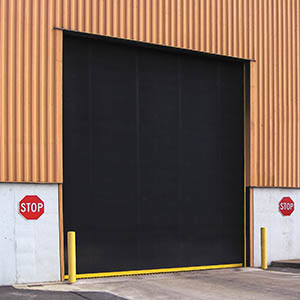
Break-away functionality with rugged design seals oversized openings.
-
-
-
-
- Heavy Equipment
Withstands challenges of heavy equipment and fleet truck/car wash environments.
-
-
- Self-Storage
Fast opening speeds and reliable, durable construction keep facilities secure and protected.
-
-
- Industries
-
-
-
- Automotive Dealerships
Reduce energy costs, increase productivity and comfort and enhance customer perception.
-
-
- Cold Storage & Processing
Increase productivity and operational efficiency while reducing energy and maintenance costs.
-
-
- Parking
We offer solutions for Apartment / Condo & Loft, Standalone Parking Facilities and Office Buildings
-
-
-
-
- Food & Beverage
Doors specifically engineered for USDA/FDA and cGMP environments, and assured compliance for uncompromising performance.
-
-
- Mfg/Dist/Warehousing
A complete product line allows facilities to increase efficiency and safety and reduce maintenance and energy costs.
-
-
- Government
Ensure effective security and environmental controls are maintained for critical government operations.
-
-
-
-
- Transit
Keep operations running smoothly and efficient while reducing energy and maintenance costs.
-
-
- Pharma, Nutraceutical & Biotech
Doors that offer quick, secure access, environmental control and reliability for life science facilities.
-
-
- Support Resources
- Parts
- Contact Us
- Blog/News
- Why Rytec
- Sales Rep Locator
- Careers
- Dealers
- Architectural Resources























Top Polyolefin Heat Shrink Sleeve Manufacturers?
Choosing among the top Polyolefin Heat Shrink Sleeve manufacturers requires more than comparing prices or polished catalogs. Reliable suppliers demonstrate practical experience, consistent production, and clear technical documentation. Their sleeves should show stable shrink performance, uniform wall thickness, clean surfaces, and dependable recovery around cables, tubes, or packaged components.
Details matter. A strong manufacturer explains shrink ratios, operating temperatures, color options, flame-retardant grades, and available diameters. Test reports should identify methods, sample conditions, and production batches. Traceability is equally important. It helps buyers connect a finished sleeve to its raw materials, inspection records, and shipment date. Quality systems, including documented process controls and recognized certifications, can provide useful evidence of professionalism. Still, certification alone proves little.
Ask practical questions.
Can the supplier maintain tight dimensional tolerances? Can it provide samples from regular production rather than laboratory stock? Does its technical team understand installation speed, uneven substrates, and heat exposure near sensitive components? These answers often reveal more than a sales presentation. Experienced manufacturers may also recommend suitable shrink temperatures and warn against overheating, surface contamination, or excessive tension during installation.
No manufacturer is perfect. Some catalogs simplify performance claims, while some buyers overlook storage conditions and application limits. That is worth remembering. This guide compares leading manufacturers through product consistency, engineering support, customization, testing transparency, delivery reliability, and customer feedback. The aim is not to name the loudest brand, but to identify suppliers that can perform steadily in real production environments. Evidence should guide the decision, and unanswered questions should remain visible.
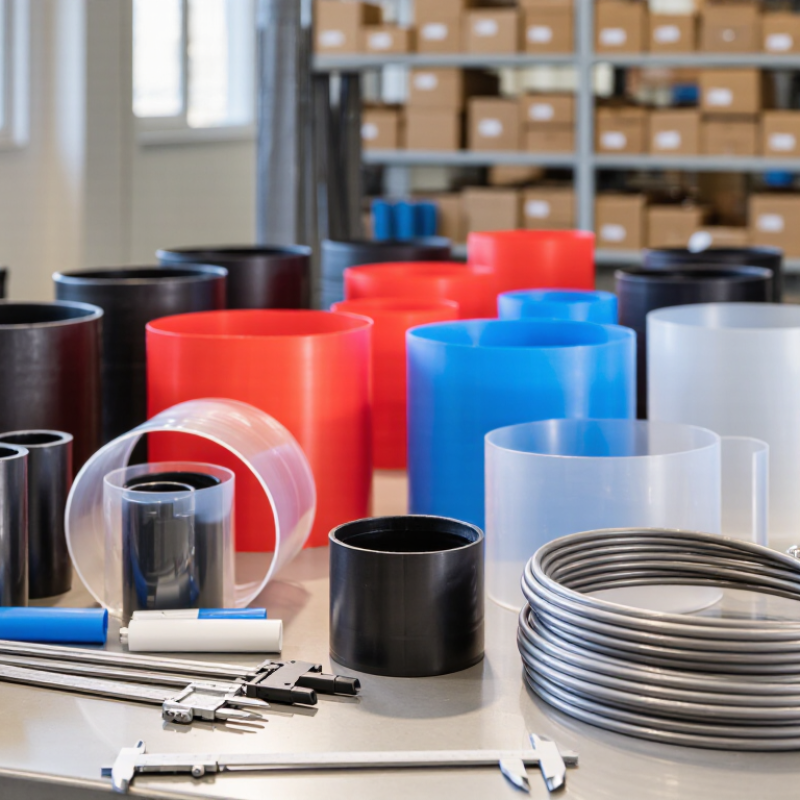
Table of Contents [Hide]
What Are Polyolefin Heat Shrink Sleeves?
What Are Polyolefin Heat Shrink Sleeves?
Polyolefin heat shrink sleeves are flexible thermoplastic films or tubes that contract when heated. They wrap tightly around wires, cables, connectors, or packaged items. Their main purpose is protection, insulation, bundling, and clear identification. Most sleeves are cross-linked for better strength and dimensional stability. Common shrink ratios include 2:1 and 3:1, helping one sleeve fit different diameters.
During installation, the sleeve should slide freely over the target area before heating. A controlled heat source then activates the material and creates a close, even fit. Avoid direct flames. They can scorch the surface and weaken the seal. In cable work, a properly fitted sleeve reduces abrasion, moisture exposure, and accidental movement. It also leaves a cleaner finish than ordinary tape.
Tips
Measure the largest diameter first. Check the recovered diameter, length, and temperature range on the technical sheet. Keep the heat moving, especially near connectors. Uneven heating can cause wrinkles or trapped air. Do not assume a thicker sleeve is always stronger. Some applications need flexibility more than maximum wall thickness. Material selection also depends on chemicals, outdoor exposure, and mechanical stress. A sleeve may look secure but still fail if the substrate is dirty or sharply edged. That detail is easy to overlook.