
- High-Performance Doors
-
- Applications
-
-
-
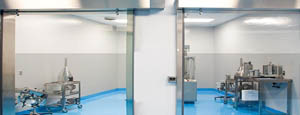
- Clean Room
Stainless steel or composite materials help maintain clean rooms.
-
-
- Coolers
Quick opening speeds & tight seals for temperature control.
-
-
- Parking
Improve security & traffic flow and enhance architectural style.
-
-
- Hurricane Zone
Withstand winds up to 175 mph and comply with the Florida Building Code.
-
-
-
-
- USDA / FDA / cGMP
Increase productivity & address stringent USDA, FDA & cGMP requirements.
-
-
- Freezers
High-speed & perimeter seals minimize the air exchange between areas.
-
-
- Security
High speed & durability ensure secure access.
-
-
- Ventilation
Perforated or screen door panels allow improved air circulation.
-
-
-
-
- Fire Station Emergency Response
When time is of the essence, high speed and reliability are crucial.
-
-
- Warehousing
Fast cycle times and secure seals keep environments separated.
-
-
- Loading Dock
Rugged design & secure seal for oversized openings.
-
-
- Large Openings
Break-away functionality with rugged design seals oversized openings.
-
-
-
-
- Heavy Equipment
Withstands challenges of heavy equipment and fleet truck/car wash environments.
-
-
- Self-Storage
Fast opening speeds and reliable, durable construction keep facilities secure and protected.
-
-
- Industries
-
-
-
- Automotive Dealerships
Reduce energy costs, increase productivity and comfort and enhance customer perception.
-
-
- Cold Storage & Processing
Increase productivity and operational efficiency while reducing energy and maintenance costs.
-
-
- Parking
We offer solutions for Apartment / Condo & Loft, Standalone Parking Facilities and Office Buildings
-
-
-
-
- Food & Beverage
Doors specifically engineered for USDA/FDA and cGMP environments, and assured compliance for uncompromising performance.
-
-
- Mfg/Dist/Warehousing
A complete product line allows facilities to increase efficiency and safety and reduce maintenance and energy costs.
-
-
- Government
Ensure effective security and environmental controls are maintained for critical government operations.
-
-
-
-
- Transit
Keep operations running smoothly and efficient while reducing energy and maintenance costs.
-
-
- Pharma, Nutraceutical & Biotech
Doors that offer quick, secure access, environmental control and reliability for life science facilities.
-
-
- Support Resources
- Parts
- Contact Us
- Blog/News
- Why Rytec
- Sales Rep Locator
- Careers
- Dealers
- Architectural Resources























What are the Top Industrial Products to Buy in 2026?
As we look ahead to 2026, the landscape of industrial products is evolving rapidly. According to a recent report by the Industrial P Research Institute, the market is expected to grow significantly, reaching an estimated value of $700 billion. This growth is driven by advancements in automation and sustainable practices. Experts like Dr. Emily Turner, a leading authority in the Industrial P sector, emphasize, “Innovative products and technology will shape the industry's future.”
In particular, sectors like machinery, automation tools, and eco-friendly materials will dominate purchasing decisions. The demand for high-efficiency equipment is on the rise, with companies seeking to optimize operations. Nevertheless, challenges exist. The supply chain disruptions experienced during the pandemic have prompted a re-evaluation of sourcing strategies. Businesses must adapt quickly to stay competitive in this evolving marketplace.
While the potential for growth is robust, industry insiders note the importance of making informed purchasing decisions. Products that offer reliability and sustainability will be key. However, not every product on the market meets these criteria. Buyers need to conduct thorough assessments to ensure value and quality in their investments.

Table of Contents [Hide]
Key Emerging Industries for Investment in 2026
As we look towards 2026, several key industries stand out for investment opportunities. The renewable energy sector is gaining traction. Solar and wind energy sources are becoming increasingly efficient. Countries are committing to greener policies. This momentum is creating opportunities for innovative companies.
Another emerging industry is biotechnology. It's evolving rapidly. Advances in medical research are paving the way for new treatments. Personalized medicine is on the rise. Investors are paying attention to startups focusing on genetic editing and cell therapy.
Finally, artificial intelligence continues to disrupt various sectors. From manufacturing automation to customer service, AI applications are everywhere. The potential for AI in analyzing data is enormous. However, investors should remain cautious. The ethical implications of AI need serious consideration. Understanding these intricacies will prove crucial for future success.