
- High-Performance Doors
-
- Applications
-
-
-
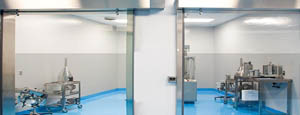
- Clean Room
Stainless steel or composite materials help maintain clean rooms.
-
-
- Coolers
Quick opening speeds & tight seals for temperature control.
-
-
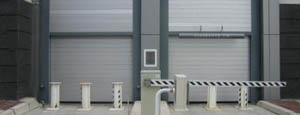
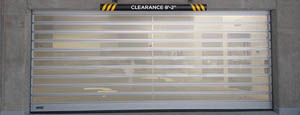
- Parking
Improve security & traffic flow and enhance architectural style.
-
-
- Hurricane Zone
Withstand winds up to 175 mph and comply with the Florida Building Code.
-
-
-
-
- USDA / FDA / cGMP
Increase productivity & address stringent USDA, FDA & cGMP requirements.
-
-
- Freezers
High-speed & perimeter seals minimize the air exchange between areas.
-
-
- Security
High speed & durability ensure secure access.
-
-
- Ventilation
Perforated or screen door panels allow improved air circulation.
-
-
-
-
- Fire Station Emergency Response
When time is of the essence, high speed and reliability are crucial.
-
-
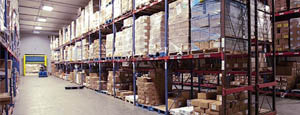
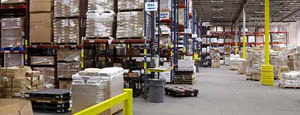
- Warehousing
Fast cycle times and secure seals keep environments separated.
-
-
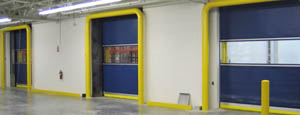
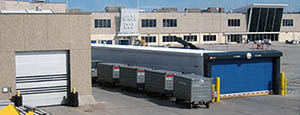
- Loading Dock
Rugged design & secure seal for oversized openings.
-
-
- Large Openings
Break-away functionality with rugged design seals oversized openings.
-
-
-
-
- Heavy Equipment
Withstands challenges of heavy equipment and fleet truck/car wash environments.
-
-
- Self-Storage
Fast opening speeds and reliable, durable construction keep facilities secure and protected.
-
-
- Industries
-
-
-
- Automotive Dealerships
Reduce energy costs, increase productivity and comfort and enhance customer perception.
-
-
- Cold Storage & Processing
Increase productivity and operational efficiency while reducing energy and maintenance costs.
-
-
- Parking
We offer solutions for Apartment / Condo & Loft, Standalone Parking Facilities and Office Buildings
-
-
-
-
- Food & Beverage
Doors specifically engineered for USDA/FDA and cGMP environments, and assured compliance for uncompromising performance.
-
-
- Mfg/Dist/Warehousing
A complete product line allows facilities to increase efficiency and safety and reduce maintenance and energy costs.
-
-
- Government
Ensure effective security and environmental controls are maintained for critical government operations.
-
-
-
-
- Transit
Keep operations running smoothly and efficient while reducing energy and maintenance costs.
-
-
- Pharma, Nutraceutical & Biotech
Doors that offer quick, secure access, environmental control and reliability for life science facilities.
-
-
- Support Resources
- Parts
- Contact Us
- Blog/News
- Why Rytec
- Sales Rep Locator
- Careers
- Dealers
- Architectural Resources









Top Hot Extrusion Hydraulic Press Line Manufacturers?
The search for leading Hot Extrusion Hydraulic Press Line manufacturers requires more than comparing machine prices. It demands evidence of engineering depth, production reliability, and long-term service capability. A press may look impressive in a showroom. Its real performance appears during continuous billet heating, high-pressure extrusion, and repeated die changes.
Industry demand supports this investigation. The International Aluminium Institute reported global primary aluminium production above 70 million tonnes in 2023. That scale reflects strong pressure on manufacturers to improve forming efficiency, material recovery, and energy management. The U.S. Department of Energy also identifies aluminum production as an energy-intensive industrial process. Therefore, modern press lines should be judged by output stability, hydraulic efficiency, automation, and measurable downtime reduction.
Numbers matter.
Market research reports from MarketsandMarkets and Grand View Research indicate continued growth in hydraulic press and metal-forming equipment. However, their market boundaries differ. Some include general hydraulic presses, while others separate extrusion systems. Direct comparisons can become misleading. This guide therefore examines manufacturers through practical criteria, including press force, billet diameter, control architecture, safety systems, commissioning experience, spare-parts access, and verified customer applications.
A reliable supplier should explain technical limits clearly. It should provide load calculations, cycle-time data, maintenance schedules, and acceptance-test records. Factory visits can reveal details that brochures hide, such as oil cleanliness, welding quality, and operator training. Certifications help, but they do not replace field evidence. The final ranking should remain open to revision, because regional service quality and project complexity can change the result. That is the honest limitation.
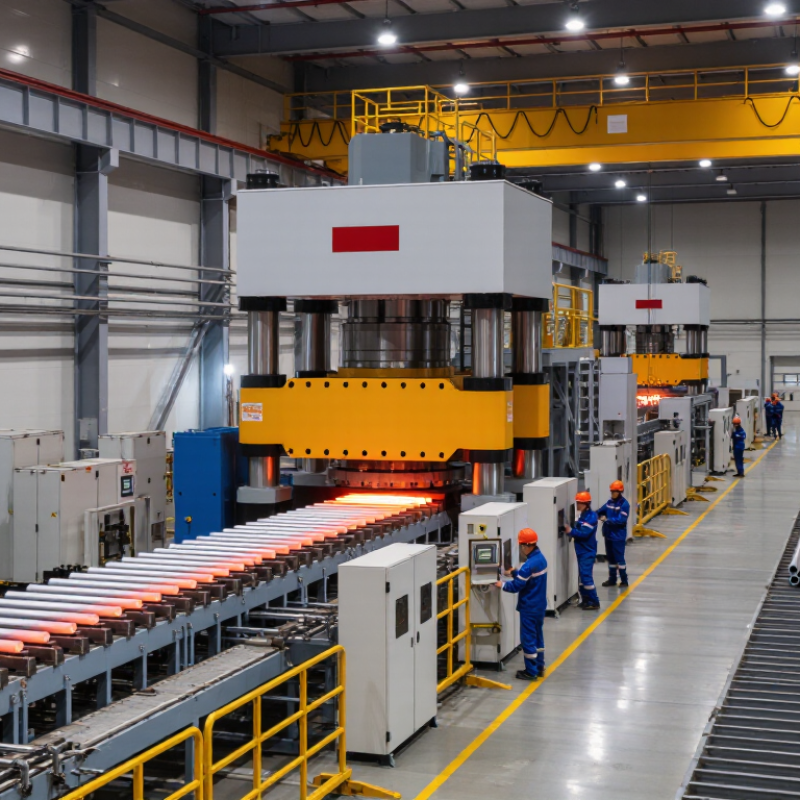
Table of Contents [Hide]
What Is a Hot Extrusion Hydraulic Press Line?
A hot extrusion hydraulic press line is an integrated production system for shaping heated metal billets.
It heats a billet until the material becomes workable, but not fully liquid. The billet then enters a container and receives pressure from a hydraulic ram. Metal flows through a shaped die, creating profiles with consistent dimensions. Common outputs include tubes, channels, rods, and complex structural sections. Unlike a standalone press, the complete line coordinates heating, extrusion, cutting, cooling, and handling.
In practical plant work, operators monitor billet temperature, ram speed, pressure, and die condition. A few degrees can change surface quality. Excessive pressure may damage the die or reduce equipment life.
After extrusion, runout tables and cooling beds support straightness and controlled cooling. Accurate alignment matters. Even a small offset can produce uneven profiles. Maintenance teams inspect seals, pumps, hydraulic oil, guides, and electrical controls on a scheduled basis. Still, no line is perfect. Tool wear, material variation, and operator judgment can affect results. That part is sometimes underestimated.
When evaluating manufacturers, buyers should request verified capacity data, material compatibility, installation records, safety documentation, and service response details.
A reliable supplier should explain pressure calculations and energy use clearly. It should also provide training and spare-parts guidance. Claims without test records deserve careful review. Performance on paper may not match a demanding production floor.