
- High-Performance Doors
-
- Applications
-
-
-
- Clean Room
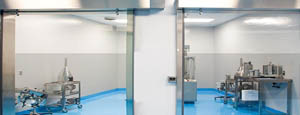
Stainless steel or composite materials help maintain clean rooms.
-
-
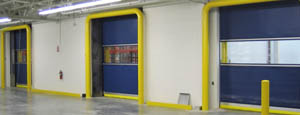
- Coolers
Quick opening speeds & tight seals for temperature control.
-
-
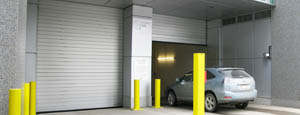
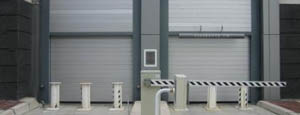
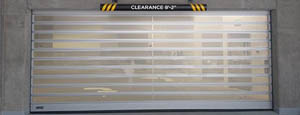
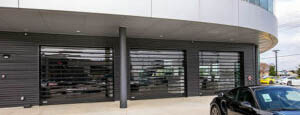
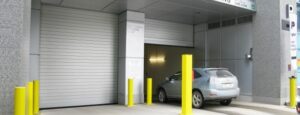
- Parking
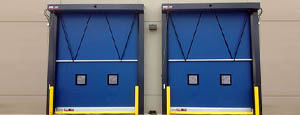
Improve security & traffic flow and enhance architectural style.
-
-
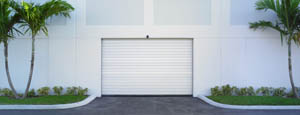
- Hurricane Zone
Withstand winds up to 175 mph and comply with the Florida Building Code.
-
-
-
-
- USDA / FDA / cGMP
Increase productivity & address stringent USDA, FDA & cGMP requirements.
-
-
- Freezers
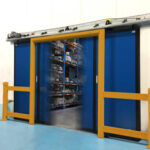
High-speed & perimeter seals minimize the air exchange between areas.
-
-
- Security
High speed & durability ensure secure access.
-
-
- Ventilation
Perforated or screen door panels allow improved air circulation.
-
-
-
-
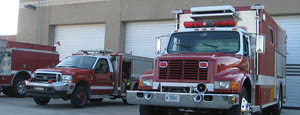
- Fire Station Emergency Response
When time is of the essence, high speed and reliability are crucial.
-
-
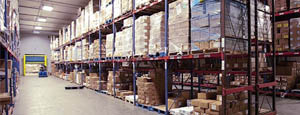
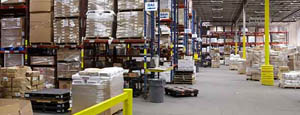
- Warehousing
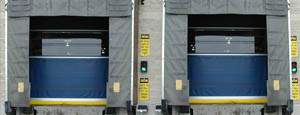
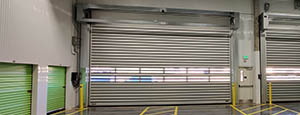
Fast cycle times and secure seals keep environments separated.
-
-
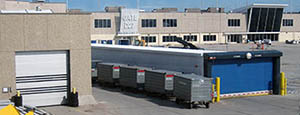
- Loading Dock
Rugged design & secure seal for oversized openings.
-
-
- Large Openings
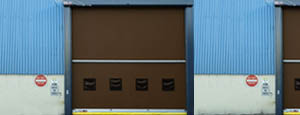
Break-away functionality with rugged design seals oversized openings.
-
-
-
-
- Heavy Equipment
Withstands challenges of heavy equipment and fleet truck/car wash environments.
-
-
- Self-Storage
Fast opening speeds and reliable, durable construction keep facilities secure and protected.
-
-
- Industries
-
-
-
- Automotive Dealerships
Reduce energy costs, increase productivity and comfort and enhance customer perception.
-
-
- Cold Storage & Processing
Increase productivity and operational efficiency while reducing energy and maintenance costs.
-
-
- Parking
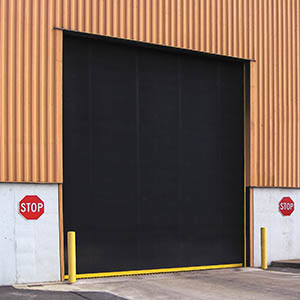
We offer solutions for Apartment / Condo & Loft, Standalone Parking Facilities and Office Buildings
-
-
-
-
- Food & Beverage
Doors specifically engineered for USDA/FDA and cGMP environments, and assured compliance for uncompromising performance.
-
-
- Mfg/Dist/Warehousing
A complete product line allows facilities to increase efficiency and safety and reduce maintenance and energy costs.
-
-
- Government
Ensure effective security and environmental controls are maintained for critical government operations.
-
-
-
-
- Transit
Keep operations running smoothly and efficient while reducing energy and maintenance costs.
-
-
- Pharma, Nutraceutical & Biotech
Doors that offer quick, secure access, environmental control and reliability for life science facilities.
-
-
- Support Resources
- Parts
- Contact Us
- Blog/News
- Why Rytec
- Sales Rep Locator
- Careers
- Dealers
- Architectural Resources







Top 10 Fingerprint Smart Locks for Global Buyers
Choosing a Fingerprint smart lock means weighing more than scan speed. Buyers also need dependable access, sensible privacy controls, and a design suited to the door. A lock that works smoothly in a showroom may behave differently after months of dust, rain, or heavy daily use. Small details matter: a clear fingerprint sensor, readable keypad, and battery warning that arrives before the door goes quiet.
Cybersecurity expert Bruce Schneier has said, “Security is a process, not a product.” That reminder applies to connected locks, too. A fingerprint reader is convenient, but it should sit within a wider plan that may include a PIN, mechanical key, or temporary access code. No single feature answers every buyer’s needs. Some trade-offs are easy to miss.
This guide introduces ten fingerprint smart locks for global buyers, with attention to access methods, installation, connectivity, power backup, and practical use. It also considers how climate, door type, and local availability can affect a purchase. Specifications can change by region, so verify the model and support options before ordering. A polished feature list is not proof of long-term reliability. That deserves a closer look. The right choice depends on who uses the door, how often, and what happens when the battery runs low.
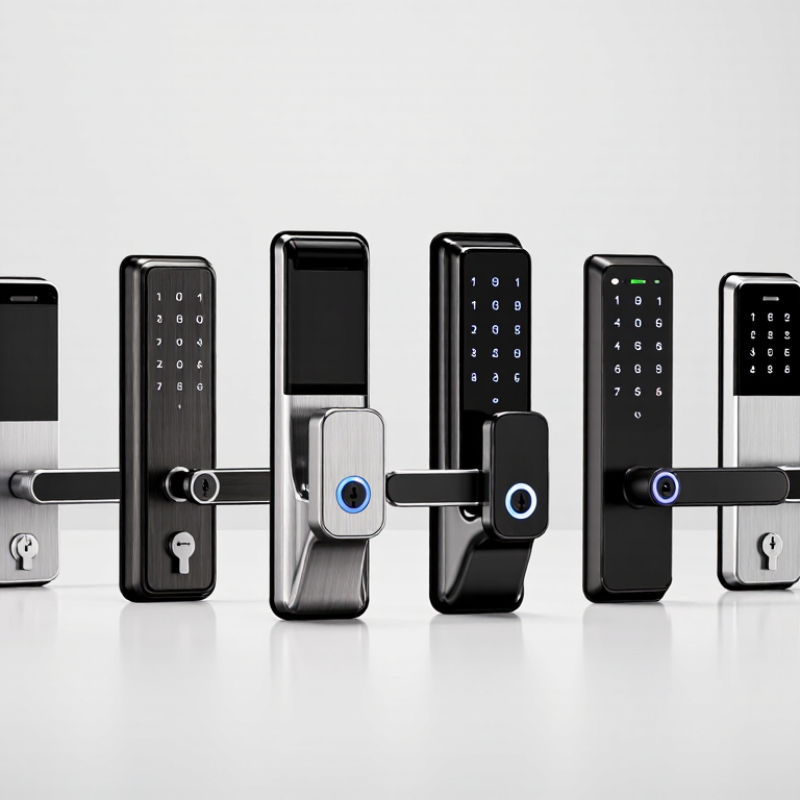
Table of Contents [Hide]
How Fingerprint Smart Locks Identify and Verify Users
A fingerprint smart lock compares features in a scan, rather than identifying someone by name. During setup, the sensor reads ridge patterns and converts selected details into a digital template. Many systems store this template instead of a full fingerprint image, though storage methods vary by model. The lock compares a new scan with enrolled templates and grants access when the match meets its acceptance threshold. Small details matter: a dusty sensor, dry skin, or a shallow cut can change the reading. That matters. Finger placement and pressure can affect results, too.
A useful check is to test the lock with the same finger from different angles and in ordinary conditions, such as after washing your hands. Some sensors use capacitive sensing; others use optical or ultrasonic methods, each with different trade-offs. A permissive threshold may reduce failed attempts but could increase the chance of accepting a close, unintended match. A stricter setting can reject legitimate users. Not every scan works. Buyers should ask how templates are protected, whether access records can be reviewed, and how software updates are provided. Keep an appropriate backup entry method available, but do not treat it as an afterthought. Specifications alone are imperfect evidence; independent testing and clear explanations of enrollment and deletion procedures offer more useful context.