
- High-Performance Doors
-
- Applications
-
-
-
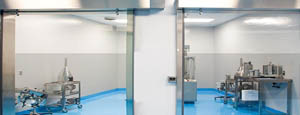
- Clean Room
Stainless steel or composite materials help maintain clean rooms.
-
-
- Coolers
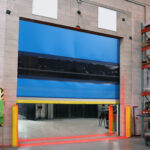
Quick opening speeds & tight seals for temperature control.
-
-
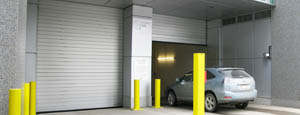
- Parking
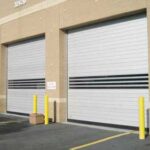
Improve security & traffic flow and enhance architectural style.
-
-
- Hurricane Zone
Withstand winds up to 175 mph and comply with the Florida Building Code.
-
-
-
-
- USDA / FDA / cGMP
Increase productivity & address stringent USDA, FDA & cGMP requirements.
-
-
- Freezers
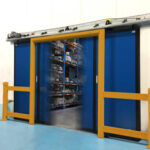
High-speed & perimeter seals minimize the air exchange between areas.
-
-
- Security
High speed & durability ensure secure access.
-
-
- Ventilation
Perforated or screen door panels allow improved air circulation.
-
-
-
-
- Fire Station Emergency Response
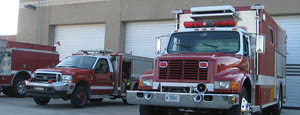
When time is of the essence, high speed and reliability are crucial.
-
-
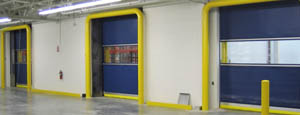
- Warehousing
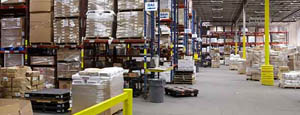
Fast cycle times and secure seals keep environments separated.
-
-
- Loading Dock
Rugged design & secure seal for oversized openings.
-
-
- Large Openings
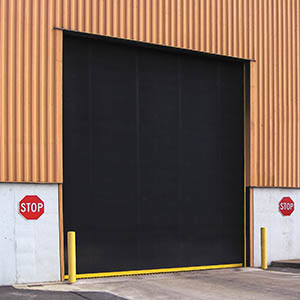
Break-away functionality with rugged design seals oversized openings.
-
-
-
-
- Heavy Equipment
Withstands challenges of heavy equipment and fleet truck/car wash environments.
-
-
- Self-Storage
Fast opening speeds and reliable, durable construction keep facilities secure and protected.
-
-
- Industries
-
-
-
- Automotive Dealerships
Reduce energy costs, increase productivity and comfort and enhance customer perception.
-
-
- Cold Storage & Processing
Increase productivity and operational efficiency while reducing energy and maintenance costs.
-
-
- Parking
We offer solutions for Apartment / Condo & Loft, Standalone Parking Facilities and Office Buildings
-
-
-
-
- Food & Beverage
Doors specifically engineered for USDA/FDA and cGMP environments, and assured compliance for uncompromising performance.
-
-
- Mfg/Dist/Warehousing
A complete product line allows facilities to increase efficiency and safety and reduce maintenance and energy costs.
-
-
- Government
Ensure effective security and environmental controls are maintained for critical government operations.
-
-
-
-
- Transit
Keep operations running smoothly and efficient while reducing energy and maintenance costs.
-
-
- Pharma, Nutraceutical & Biotech
Doors that offer quick, secure access, environmental control and reliability for life science facilities.
-
-
- Support Resources
- Parts
- Contact Us
- Blog/News
- Why Rytec
- Sales Rep Locator
- Careers
- Dealers
- Architectural Resources






China Top Entertainment Projector Suppliers?
Choosing a reliable Entertainment Projector supplier in China requires more than comparing brightness numbers. It demands practical judgment, technical knowledge, and careful supplier verification. A projector may look impressive in a showroom, yet perform poorly in a bright family room or a crowded event venue. Lens quality, native resolution, contrast, cooling design, operating noise, warranty support, and replacement parts all influence the final experience.
David Labuskes, a respected audiovisual industry expert and former AVIXA chief executive, has said, “The AV industry is about creating experiences.” That principle fits the Entertainment Projector market closely. Chinese manufacturers such as XGIMI, JMGO, Dangbei, Formovie, and Hisense have developed strong consumer and home cinema portfolios. However, their strengths are not identical. One supplier may offer excellent smart features, while another provides better optical performance or commercial support.
This guide examines China’s leading Entertainment Projector suppliers through a practical purchasing lens. It considers product capability, manufacturing credibility, certification practices, software stability, after-sales service, and export experience. Test conditions also matter. A 2,000-lumen model may look adequate online, but room lighting can change everything. No supplier is perfect.
Some advertised specifications may require closer inspection. Brightness standards, color claims, and native resolution should be checked independently whenever possible. Buyers should request samples, confirm warranty terms, and discuss regional service arrangements before placing large orders. The best choice is not always the cheapest factory or the most famous brand. It is the supplier that consistently matches the projector to the audience, environment, and business purpose.
Table of Contents [Hide]
Definition and Scope of Entertainment Projector Suppliers in China
China Top Entertainment Projector Suppliers?
Entertainment projector suppliers in China cover more than factories assembling optical engines. The category includes OEM and ODM manufacturers, lens and light-source specialists, software integrators, distributors, and installation partners. Their products serve home cinemas, gaming rooms, museums, themed venues, education spaces, and temporary events. The boundary is not perfectly clean.
Market definitions should follow measurable use cases. Futuresource Consulting’s Global Projector Market Review tracks consumer, business, and education demand separately, while IDC’s Worldwide Quarterly Projector Tracker evaluates shipments, technologies, and regional performance. These reports show why supplier comparisons need more than brightness claims. Resolution, contrast, input latency, throw distance, operating noise, warranty response, and calibration support matter in real rooms.
A practical supplier review should examine factory audits, optical test records, sample consistency, and after-sales capacity. A 4K image may look impressive in a showroom, yet poor black levels can weaken a dark gaming scene. Independent testing also matters. Some published specifications remain difficult to compare because measurement methods differ. That is an industry weakness, not a minor detail. Suppliers serving China’s entertainment market should provide verified data, clear installation guidance, replacement-part planning, and documented compliance with applicable safety requirements. Real experience suggests that stable service often matters more than the lowest quotation.