
- High-Performance Doors
-
- Applications
-
-
-
- Clean Room
Stainless steel or composite materials help maintain clean rooms.
-
-
- Coolers
Quick opening speeds & tight seals for temperature control.
-
-
- Parking
Improve security & traffic flow and enhance architectural style.
-
-
- Hurricane Zone
Withstand winds up to 175 mph and comply with the Florida Building Code.
-
-
-
-
- USDA / FDA / cGMP
Increase productivity & address stringent USDA, FDA & cGMP requirements.
-
-
- Freezers
High-speed & perimeter seals minimize the air exchange between areas.
-
-
- Security
High speed & durability ensure secure access.
-
-
- Ventilation
Perforated or screen door panels allow improved air circulation.
-
-
-
-
- Fire Station Emergency Response
When time is of the essence, high speed and reliability are crucial.
-
-
- Warehousing
Fast cycle times and secure seals keep environments separated.
-
-
- Loading Dock
Rugged design & secure seal for oversized openings.
-
-
- Large Openings
Break-away functionality with rugged design seals oversized openings.
-
-
-
-
- Heavy Equipment
Withstands challenges of heavy equipment and fleet truck/car wash environments.
-
-
- Self-Storage
Fast opening speeds and reliable, durable construction keep facilities secure and protected.
-
-
- Industries
-
-
-
- Automotive Dealerships
Reduce energy costs, increase productivity and comfort and enhance customer perception.
-
-
- Cold Storage & Processing
Increase productivity and operational efficiency while reducing energy and maintenance costs.
-
-
- Parking
We offer solutions for Apartment / Condo & Loft, Standalone Parking Facilities and Office Buildings
-
-
-
-
- Food & Beverage
Doors specifically engineered for USDA/FDA and cGMP environments, and assured compliance for uncompromising performance.
-
-
- Mfg/Dist/Warehousing
A complete product line allows facilities to increase efficiency and safety and reduce maintenance and energy costs.
-
-
- Government
Ensure effective security and environmental controls are maintained for critical government operations.
-
-
-
-
- Transit
Keep operations running smoothly and efficient while reducing energy and maintenance costs.
-
-
- Pharma, Nutraceutical & Biotech
Doors that offer quick, secure access, environmental control and reliability for life science facilities.
-
-
- Support Resources
- Parts
- Contact Us
- Blog/News
- Why Rytec
- Sales Rep Locator
- Careers
- Dealers
- Architectural Resources


























Who Are the Top CNC Machining Center Suppliers in China?
Choosing a CNC machining partner in China involves more than comparing machine lists or quoted prices. Cnc Machining Centers can produce precise components, but results also depend on tooling, programming, inspection, and operator experience. A polished website cannot prove those capabilities.
This guide looks at suppliers through practical questions: What materials do they machine? Can they hold the tolerances your drawing requires? How do they document inspections and manage delivery dates? Ask for relevant case studies, sample inspection reports, and clear explanations of equipment and processes. Details matter. A cleanly machined aluminum housing, for example, should match its drawing and arrive with traceable measurement records—not just a reassuring sales promise.
Supplier claims deserve verification. Certifications, when relevant, should be current and checked with the issuing organization. A sample order can reveal communication habits, packaging quality, and how a shop handles a question or mistake. That evidence is useful, though it cannot guarantee every future production run. Some details remain difficult to compare from a website alone.
Rather than treating “top” as a universal ranking, this overview highlights factors buyers can use to assess Chinese suppliers for their own projects. It considers capability, quality controls, responsiveness, and fit for different production needs. The best choice may not be the largest factory. It may be the one that explains its limits clearly—and follows through.
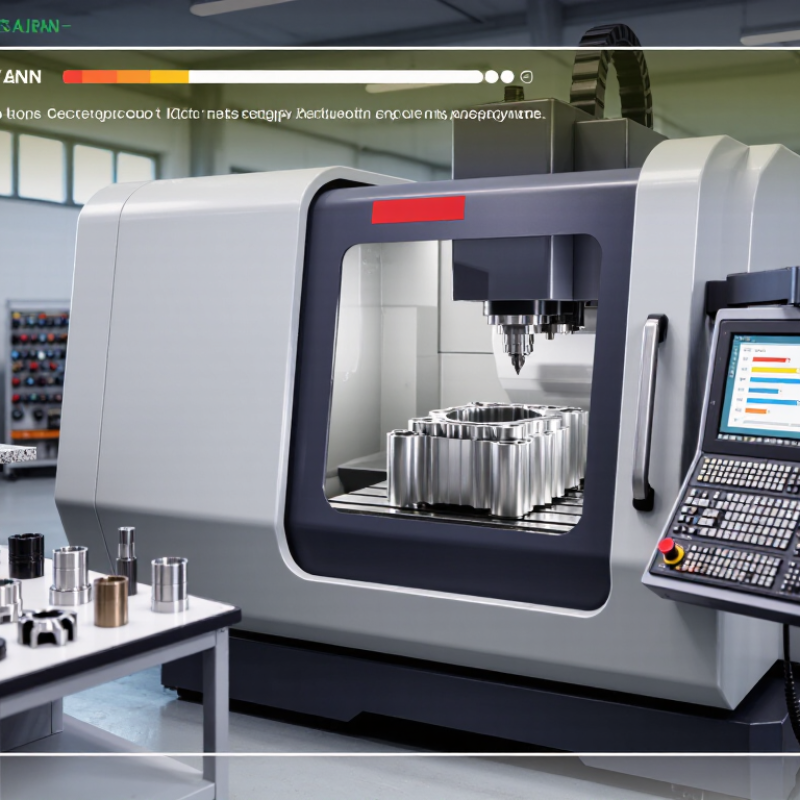
Table of Contents [Hide]
What Is a CNC Machining Center and How Is It Used?
A CNC machining center is a machine tool that removes material under computer control. It commonly combines milling, drilling, boring, and tapping in one setup. A spindle rotates the cutting tool, while programmed axes move the tool or workpiece. Many centers also include an automatic tool changer, which reduces manual tool swaps.
In a machine shop, an operator secures a metal block in a vise, loads a program, and checks the tool offsets before cutting. The machine can then produce faces, slots, and holes with consistent positioning. This is useful for parts that need several features aligned, such as pump housings or fixture plates. Setup still matters. A poorly clamped part can shift, even when the program is correct.
Machining centers are used for prototypes, replacement parts, and repeat production in sectors such as equipment manufacturing and aerospace. Vertical models offer convenient access from above; horizontal models can reach multiple sides with suitable fixtures. The right choice depends on part size, material, tolerance, and batch volume. More axes do not automatically mean better results. A simpler machine may be more practical, though that judgment can be wrong without reviewing the actual part and production plan.