
- High-Performance Doors
-
- Applications
-
-
-
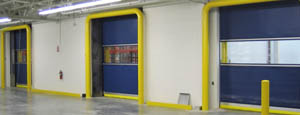
- Clean Room
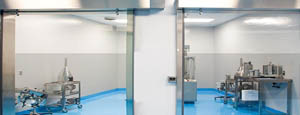
Stainless steel or composite materials help maintain clean rooms.
-
-
- Coolers
Quick opening speeds & tight seals for temperature control.
-
-
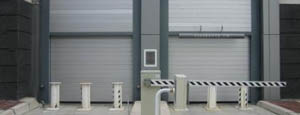
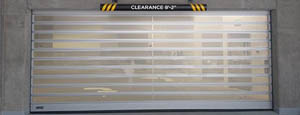
- Parking
Improve security & traffic flow and enhance architectural style.
-
-
- Hurricane Zone
Withstand winds up to 175 mph and comply with the Florida Building Code.
-
-
-
-
- USDA / FDA / cGMP
Increase productivity & address stringent USDA, FDA & cGMP requirements.
-
-
- Freezers
High-speed & perimeter seals minimize the air exchange between areas.
-
-
- Security
High speed & durability ensure secure access.
-
-
- Ventilation
Perforated or screen door panels allow improved air circulation.
-
-
-
-
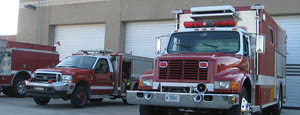
- Fire Station Emergency Response
When time is of the essence, high speed and reliability are crucial.
-
-
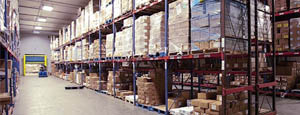
- Warehousing
Fast cycle times and secure seals keep environments separated.
-
-
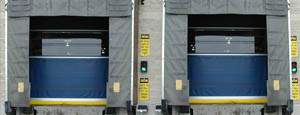
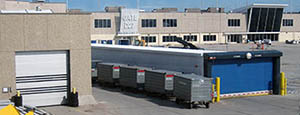
- Loading Dock
Rugged design & secure seal for oversized openings.
-
-
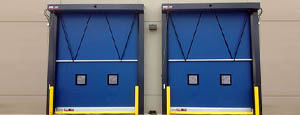
- Large Openings
Break-away functionality with rugged design seals oversized openings.
-
-
-
-
- Heavy Equipment
Withstands challenges of heavy equipment and fleet truck/car wash environments.
-
-
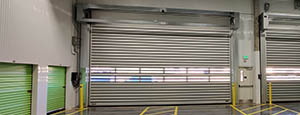
- Self-Storage
Fast opening speeds and reliable, durable construction keep facilities secure and protected.
-
-
- Industries
-
-
-
- Automotive Dealerships
Reduce energy costs, increase productivity and comfort and enhance customer perception.
-
-
- Cold Storage & Processing
Increase productivity and operational efficiency while reducing energy and maintenance costs.
-
-
- Parking
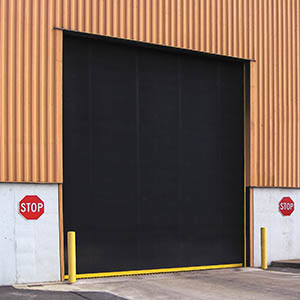
We offer solutions for Apartment / Condo & Loft, Standalone Parking Facilities and Office Buildings
-
-
-
-
- Food & Beverage
Doors specifically engineered for USDA/FDA and cGMP environments, and assured compliance for uncompromising performance.
-
-
- Mfg/Dist/Warehousing
A complete product line allows facilities to increase efficiency and safety and reduce maintenance and energy costs.
-
-
- Government
Ensure effective security and environmental controls are maintained for critical government operations.
-
-
-
-
- Transit
Keep operations running smoothly and efficient while reducing energy and maintenance costs.
-
-
- Pharma, Nutraceutical & Biotech
Doors that offer quick, secure access, environmental control and reliability for life science facilities.
-
-
- Support Resources
- Parts
- Contact Us
- Blog/News
- Why Rytec
- Sales Rep Locator
- Careers
- Dealers
- Architectural Resources













China Top Cylinder Seal Kits Suppliers for Global Buyers
Reliable Cylinder Seal Kits matter wherever hydraulic cylinders must hold pressure, move smoothly, and resist contamination. A leaking seal can leave oil around a loader rod, slow a press, or interrupt a repair schedule. The parts are small. The consequences are not. Buyers therefore need more than a low unit price: they need clear dimensions, material specifications, operating-temperature limits, and traceable quality information.
Industry reports provide useful context. Grand View Research’s Hydraulic Seals Market analysis examines demand across applications and regions, while MarketsandMarkets’ Hydraulic Equipment Market report tracks growth in the wider equipment sector. These reports indicate why dependable sealing components remain relevant as hydraulic machinery serves construction, agriculture, manufacturing, and other industries. Their market estimates use different definitions, however, so figures should not be compared casually. That detail is easy to miss.
For global buyers assessing China-based suppliers, practical checks matter more than broad claims. Ask whether kits match the cylinder’s drawing, fluid, pressure, and service conditions. Confirm material options, inspection procedures, packaging, and support for replacement-part identification. A nitrile seal may suit one application; another may require a different compound. Supplier websites rarely tell the whole story. Requesting samples and technical documents can expose gaps before a shipment reaches the workshop. No checklist guarantees a perfect fit, but careful verification reduces avoidable delays and helps buyers compare suppliers on evidence, not promises.
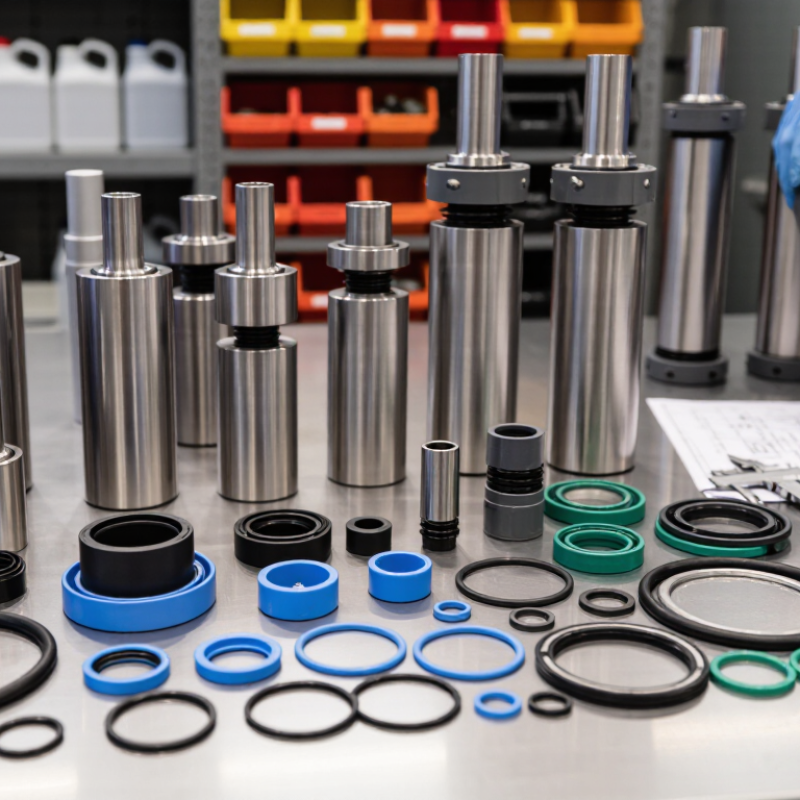
Table of Contents [Hide]
Hydraulic Cylinder Seal Kits: Components and ISO 3601 O-Ring Dimensions
China Top Cylinder Seal Kits Suppliers for Global Buyers
A hydraulic cylinder seal kit may include rod seals, piston seals, wipers, guide rings, O-rings, and backup rings. Each part serves a different purpose: rod seals limit leakage, while wipers keep dust and grit out. Small details matter. A kit should match the cylinder’s bore, rod diameter, groove dimensions, operating pressure, and fluid. Choosing by appearance alone can cause early leakage or difficult installation.
For O-rings, use the applicable ISO 3601 dimensions and tolerances when checking nominal inside diameter and cross-section. The standard covers O-ring requirements, not every component in a complete seal kit. Confirm the correct standard part and tolerance class against the equipment drawing. Then check compound compatibility and temperature range; matching dimensions do not guarantee a suitable material. A digital caliper helps with a quick inspection, but worn or compressed seals may give misleading readings. That detail is easy to overlook.
Tips: Compare each new seal with the drawing and old part before assembly. Keep parts clean, and avoid stretching O-rings over sharp edges. If dimensions seem close but not exact, pause and verify the groove. Guessing can be costly.