
- High-Performance Doors
-
- Applications
-
-
-
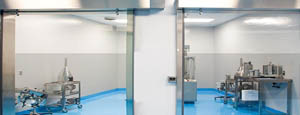
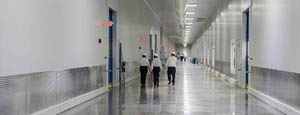
- Clean Room
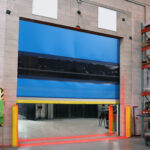
Stainless steel or composite materials help maintain clean rooms.
-
-
- Coolers
Quick opening speeds & tight seals for temperature control.
-
-
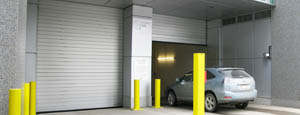
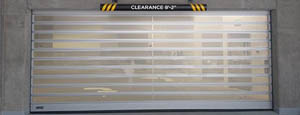
- Parking
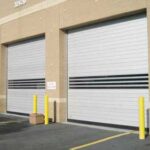
Improve security & traffic flow and enhance architectural style.
-
-
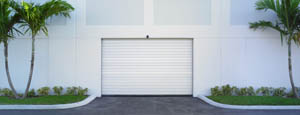
- Hurricane Zone
Withstand winds up to 175 mph and comply with the Florida Building Code.
-
-
-
-
- USDA / FDA / cGMP
Increase productivity & address stringent USDA, FDA & cGMP requirements.
-
-
- Freezers
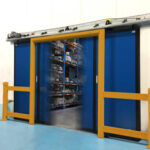
High-speed & perimeter seals minimize the air exchange between areas.
-
-
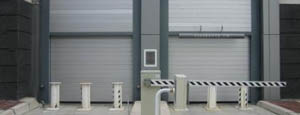
- Security
High speed & durability ensure secure access.
-
-
- Ventilation
Perforated or screen door panels allow improved air circulation.
-
-
-
-
- Fire Station Emergency Response
When time is of the essence, high speed and reliability are crucial.
-
-
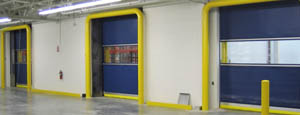
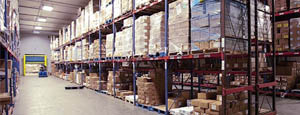
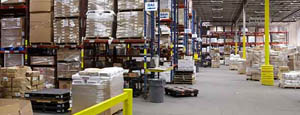
- Warehousing
Fast cycle times and secure seals keep environments separated.
-
-
- Loading Dock
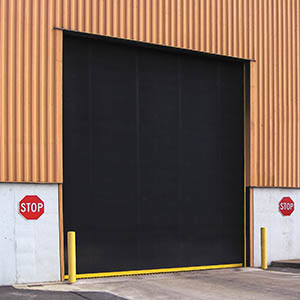
Rugged design & secure seal for oversized openings.
-
-
- Large Openings
Break-away functionality with rugged design seals oversized openings.
-
-
-
-
- Heavy Equipment
Withstands challenges of heavy equipment and fleet truck/car wash environments.
-
-
- Self-Storage
Fast opening speeds and reliable, durable construction keep facilities secure and protected.
-
-
- Industries
-
-
-
- Automotive Dealerships
Reduce energy costs, increase productivity and comfort and enhance customer perception.
-
-
- Cold Storage & Processing
Increase productivity and operational efficiency while reducing energy and maintenance costs.
-
-
- Parking
We offer solutions for Apartment / Condo & Loft, Standalone Parking Facilities and Office Buildings
-
-
-
-
- Food & Beverage
Doors specifically engineered for USDA/FDA and cGMP environments, and assured compliance for uncompromising performance.
-
-
- Mfg/Dist/Warehousing
A complete product line allows facilities to increase efficiency and safety and reduce maintenance and energy costs.
-
-
- Government
Ensure effective security and environmental controls are maintained for critical government operations.
-
-
-
-
- Transit
Keep operations running smoothly and efficient while reducing energy and maintenance costs.
-
-
- Pharma, Nutraceutical & Biotech
Doors that offer quick, secure access, environmental control and reliability for life science facilities.
-
-
- Support Resources
- Parts
- Contact Us
- Blog/News
- Why Rytec
- Sales Rep Locator
- Careers
- Dealers
- Architectural Resources




Best Cement Plant Manufacturers in China for Global Buyers
Choosing the right Cement Plant manufacturer in China requires more than comparing prices and production capacity. Global buyers must examine engineering experience, product consistency, export performance, and long-term support. A reliable supplier should explain each stage clearly, from limestone crushing to clinker cooling and cement packing.
This guide introduces leading Chinese Cement Plant manufacturers for international projects. It considers kiln systems, grinding mills, dust-control equipment, automation, and energy efficiency. It also reviews practical details, such as factory inspections, technical drawings, spare-parts planning, and commissioning support. These factors often influence project results more than a polished sales presentation.
Details matter.
Experienced manufacturers usually provide project references, equipment specifications, quality records, and evidence of completed installations. Buyers should request verifiable information and speak with previous customers when possible. Certificates can support credibility, but they should never replace technical evaluation or on-site inspection. A supplier may offer an attractive quotation, yet unclear warranty terms can create expensive problems later.
No single manufacturer fits every market. Local fuel quality, raw material conditions, climate, grid stability, and environmental requirements can change the best design. Even a well-known company may need stronger communication or better regional service. That limitation deserves attention. Claims need testing.
By comparing technical capability, delivery discipline, after-sales resources, and documented experience, buyers can build a more dependable shortlist. The goal is not merely to purchase equipment. It is to develop a stable, efficient, and maintainable production system with realistic expectations.
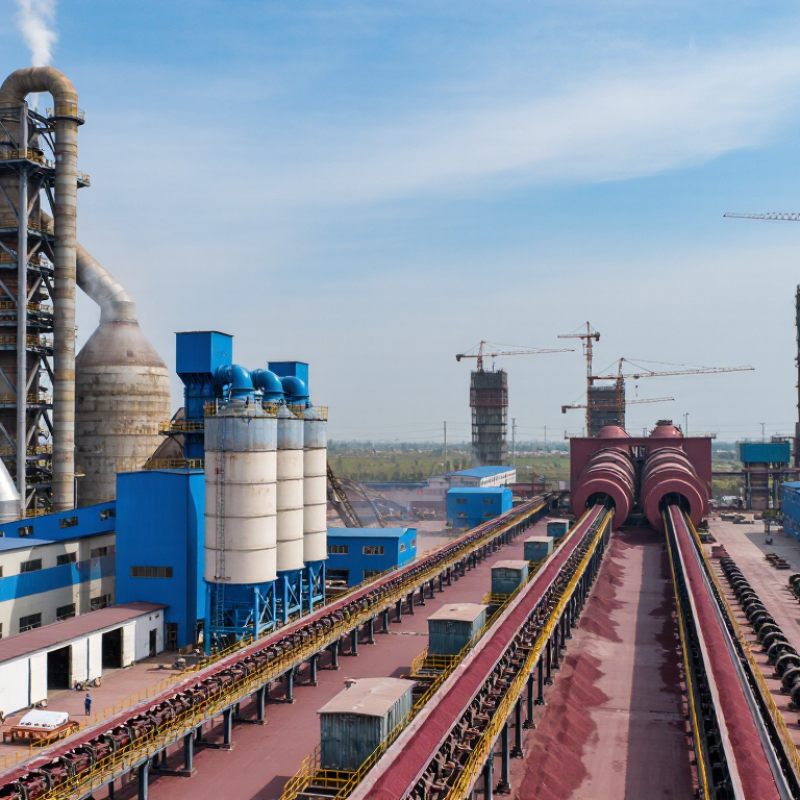
Table of Contents [Hide]
China’s Role in the Global Cement Plant Manufacturing Industry
China has become a major force in the global cement plant manufacturing industry. Its manufacturers supply rotary kilns, grinding mills, conveyors, dust collectors, and automated control systems. Many facilities serve projects across Asia, Africa, the Middle East, and Latin America.
Their advantage comes from integrated production and extensive project experience. A single engineering team may handle process design, equipment fabrication, installation, and commissioning. In real projects, small details matter. Steel thickness, refractory quality, motor alignment, and dust control can affect years of operation. Reliable suppliers usually provide test records, material certificates, inspection plans, and performance data. Factory visits can reveal more than polished brochures.
Cost remains important, but the lowest quotation can create expensive delays. Buyers should check local limestone quality, fuel conditions, grid stability, and maintenance skills before selecting equipment. A plant designed for one region may perform poorly elsewhere. Remote commissioning is now common. Still, communication gaps can complicate troubleshooting. Clear drawings, bilingual manuals, spare-parts lists, and response schedules reduce that risk.
China’s role is not flawless. Some suppliers differ greatly in engineering depth and after-sales discipline. Buyers need independent inspections and carefully defined acceptance standards. Experienced project teams often compare actual references, not only promised capacity. A well-designed 5,000-ton-per-day line depends on coordinated engineering, not equipment size alone.