
- High-Performance Doors
-
- Applications
-
-
-
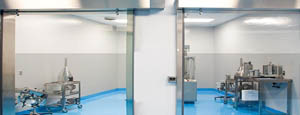
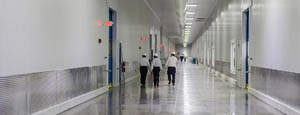
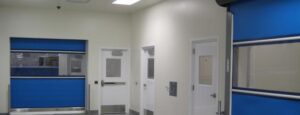
- Clean Room
Stainless steel or composite materials help maintain clean rooms.
-
-
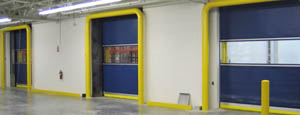
- Coolers
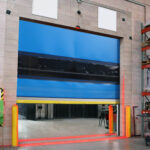
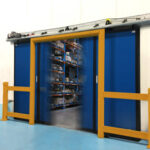
Quick opening speeds & tight seals for temperature control.
-
-
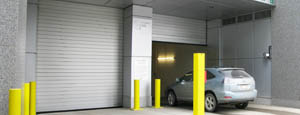
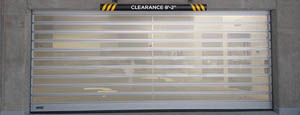
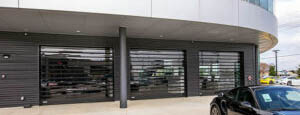
- Parking
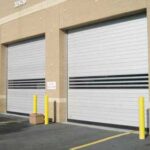
Improve security & traffic flow and enhance architectural style.
-
-
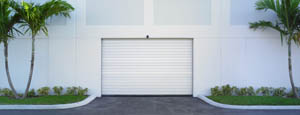
- Hurricane Zone
Withstand winds up to 175 mph and comply with the Florida Building Code.
-
-
-
-
- USDA / FDA / cGMP
Increase productivity & address stringent USDA, FDA & cGMP requirements.
-
-
- Freezers
High-speed & perimeter seals minimize the air exchange between areas.
-
-
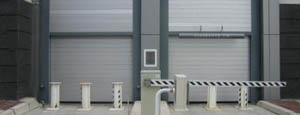
- Security
High speed & durability ensure secure access.
-
-
- Ventilation
Perforated or screen door panels allow improved air circulation.
-
-
-
-
- Fire Station Emergency Response
When time is of the essence, high speed and reliability are crucial.
-
-
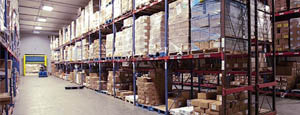
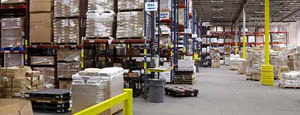
- Warehousing
Fast cycle times and secure seals keep environments separated.
-
-
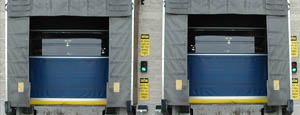
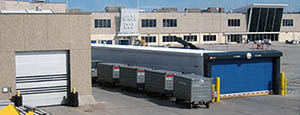
- Loading Dock
Rugged design & secure seal for oversized openings.
-
-
- Large Openings
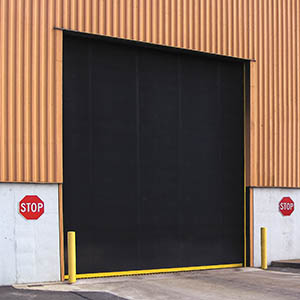
Break-away functionality with rugged design seals oversized openings.
-
-
-
-
- Heavy Equipment
Withstands challenges of heavy equipment and fleet truck/car wash environments.
-
-
- Self-Storage
Fast opening speeds and reliable, durable construction keep facilities secure and protected.
-
-
- Industries
-
-
-
- Automotive Dealerships
Reduce energy costs, increase productivity and comfort and enhance customer perception.
-
-
- Cold Storage & Processing
Increase productivity and operational efficiency while reducing energy and maintenance costs.
-
-
- Parking
We offer solutions for Apartment / Condo & Loft, Standalone Parking Facilities and Office Buildings
-
-
-
-
- Food & Beverage
Doors specifically engineered for USDA/FDA and cGMP environments, and assured compliance for uncompromising performance.
-
-
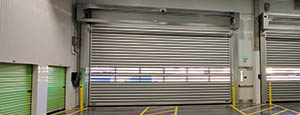
- Mfg/Dist/Warehousing
A complete product line allows facilities to increase efficiency and safety and reduce maintenance and energy costs.
-
-
- Government
Ensure effective security and environmental controls are maintained for critical government operations.
-
-
-
-
- Transit
Keep operations running smoothly and efficient while reducing energy and maintenance costs.
-
-
- Pharma, Nutraceutical & Biotech
Doors that offer quick, secure access, environmental control and reliability for life science facilities.
-
-
- Support Resources
- Parts
- Contact Us
- Blog/News
- Why Rytec
- Sales Rep Locator
- Careers
- Dealers
- Architectural Resources






Top 10 Benefits of Fiberboard Medium Density Board for Buyers?
Fiberboard Medium Density Board (MDF) has emerged as a favored material in various industries. Its versatility makes it an excellent choice for furniture, cabinetry, and construction. This material offers a blend of affordability, durability, and ease of use that appeals to many buyers.
One of the key benefits of Fiberboard Medium Density Board is its smooth surface, which allows for fine finishing. This property enables designers to create stunning and polished products. Additionally, its lightweight nature makes it easy to handle, reducing labor costs during installation. However, buyers should note that excessive moisture can compromise its integrity, prompting careful consideration in humid environments.
Moreover, the environmental impact of Fiberboard Medium Density Board is worth mentioning. Many MDF products are made from recycled wood fibers. This aspect makes them a more sustainable option compared to traditional solid wood. While this can be a selling point, buyers must ensure proper sourcing to guarantee responsible practices. Fiberboard Medium Density Board presents a wealth of benefits, but understanding its limitations is crucial for making informed decisions.
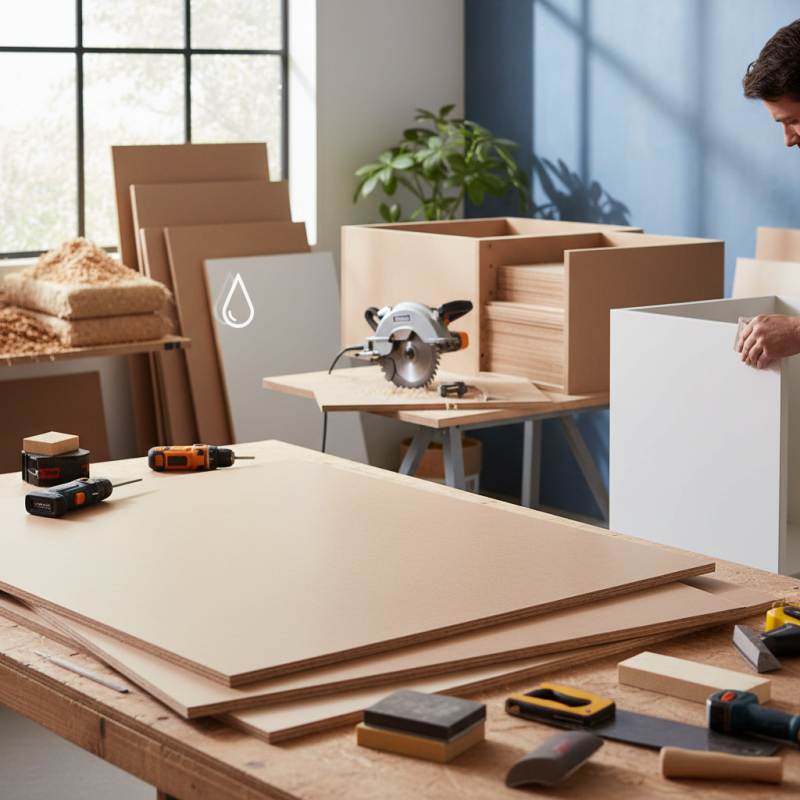
Table of Contents [Hide]
Understanding Fiberboard Medium Density Board: An Overview
Fiberboard Medium Density Board (MDF) is a popular choice in various industries. It is made from wood fibers, wax, and resin. MDF is known for its smooth surface and versatility. This material can be easily shaped and cut, making it ideal for furniture, cabinetry, and decorative projects.
One of the key benefits of MDF is its affordability. Compared to solid wood, MDF offers a cost-effective solution without compromising on quality. However, potential buyers should be cautious about moisture resistance. MDF can swell when exposed to water, impacting its integrity.
Tips: Always use a protective finish when using MDF in humid environments. This helps maintain its structure and appearance over time. Another thing to consider is the weight of MDF. It can be heavier than other materials, which could affect installation.
When selecting MDF for your projects, testing various samples is essential. This allows you to evaluate different finishes and constructions. Keep in mind that while MDF is easy to work with, it might produce a significant amount of dust during cutting. Always wear a mask and take proper safety precautions.