
- High-Performance Doors
-
- Applications
-
-
-
- Clean Room
Stainless steel or composite materials help maintain clean rooms.
-
-
- Coolers
Quick opening speeds & tight seals for temperature control.
-
-
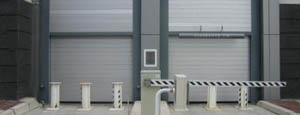
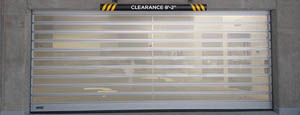
- Parking
Improve security & traffic flow and enhance architectural style.
-
-
- Hurricane Zone
Withstand winds up to 175 mph and comply with the Florida Building Code.
-
-
-
-
- USDA / FDA / cGMP
Increase productivity & address stringent USDA, FDA & cGMP requirements.
-
-
- Freezers
High-speed & perimeter seals minimize the air exchange between areas.
-
-
- Security
High speed & durability ensure secure access.
-
-
- Ventilation
Perforated or screen door panels allow improved air circulation.
-
-
-
-
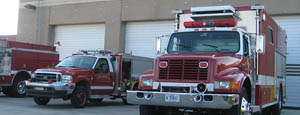
- Fire Station Emergency Response
When time is of the essence, high speed and reliability are crucial.
-
-
- Warehousing
Fast cycle times and secure seals keep environments separated.
-
-
- Loading Dock
Rugged design & secure seal for oversized openings.
-
-
- Large Openings
Break-away functionality with rugged design seals oversized openings.
-
-
-
-
- Heavy Equipment
Withstands challenges of heavy equipment and fleet truck/car wash environments.
-
-
- Self-Storage
Fast opening speeds and reliable, durable construction keep facilities secure and protected.
-
-
- Industries
-
-
-
- Automotive Dealerships
Reduce energy costs, increase productivity and comfort and enhance customer perception.
-
-
- Cold Storage & Processing
Increase productivity and operational efficiency while reducing energy and maintenance costs.
-
-
- Parking
We offer solutions for Apartment / Condo & Loft, Standalone Parking Facilities and Office Buildings
-
-
-
-
- Food & Beverage
Doors specifically engineered for USDA/FDA and cGMP environments, and assured compliance for uncompromising performance.
-
-
- Mfg/Dist/Warehousing
A complete product line allows facilities to increase efficiency and safety and reduce maintenance and energy costs.
-
-
- Government
Ensure effective security and environmental controls are maintained for critical government operations.
-
-
-
-
- Transit
Keep operations running smoothly and efficient while reducing energy and maintenance costs.
-
-
- Pharma, Nutraceutical & Biotech
Doors that offer quick, secure access, environmental control and reliability for life science facilities.
-
-
- Support Resources
- Parts
- Contact Us
- Blog/News
- Why Rytec
- Sales Rep Locator
- Careers
- Dealers
- Architectural Resources















Top 10 Anchor Bolt Types and How to Choose Them
Choosing an Anchor Bolt is a structural decision, not a catalogue exercise. The correct type must transfer tension, shear, vibration, and impact safely into the supporting material. Concrete strength, crack condition, edge distance, embedment depth, corrosion exposure, and installation access all influence performance.
The global construction industry continues expanding its demand for dependable fastening systems. Grand View Research reported that the global construction equipment market reached approximately USD 232.4 billion in 2023, reflecting continued infrastructure and building activity. Meanwhile, ACI 318-19 and ICC-ES AC193 require engineers to evaluate concrete breakout, pullout, steel strength, and installation conditions. These requirements explain why wedge anchors, sleeve anchors, chemical anchors, expansion bolts, and cast-in-place bolts cannot be treated as interchangeable products.
Structural fastening specialist Dr. John Silva has stated, “Anchor design is not just a bolt problem; it is a concrete problem.” That principle deserves attention. A strong bolt can still fail when the concrete edge is too close. A chemical anchor can underperform when the hole contains dust or moisture. Small details matter.
This guide compares ten common Anchor Bolt types through practical selection criteria. It considers load direction, substrate condition, installation speed, adjustability, inspection needs, and environmental exposure. The discussion also references manufacturer testing, ACI provisions, and ICC-ES evaluation practices.
No selection chart replaces engineering judgment. That is the uncomfortable part. Product labels may look precise, yet field conditions are often uneven, dirty, or undocumented. Careful measurement remains essential. The best Anchor Bolt is the one that matches the real substrate, the real load, and the real installation quality.
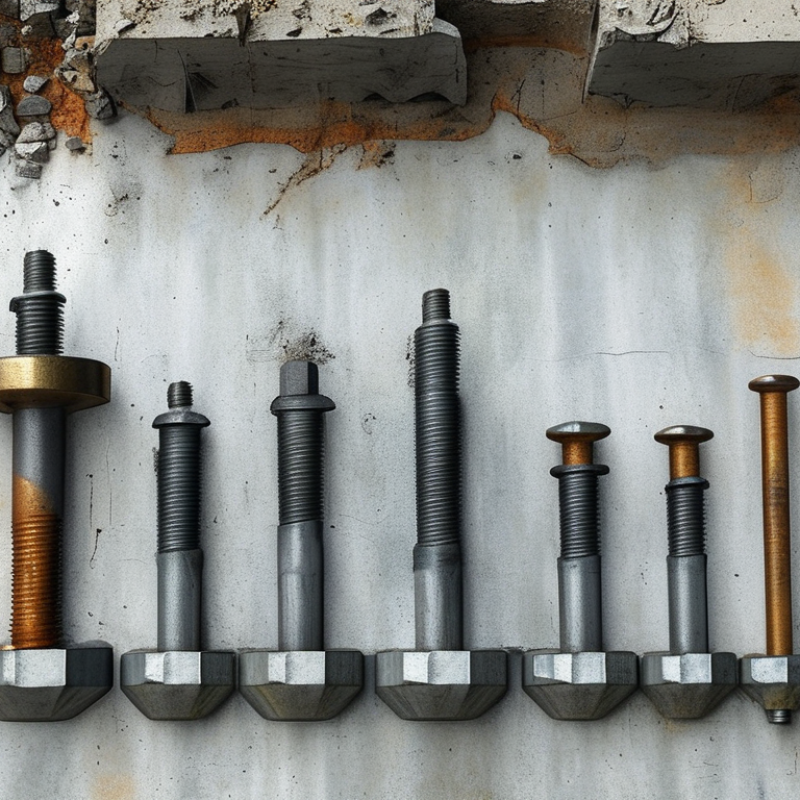
Table of Contents [Hide]
Anchor Bolt Basics: Purpose, Structure, and Performance
Anchor bolts transfer tension, shear, and moment from a steel element into concrete, masonry, or timber. Their performance depends on more than diameter. Embedment depth, edge distance, corrosion exposure, installation quality, and base material all matter. A bolt can look oversized and still fail in a weak concrete edge.
The main choices include cast-in-place, J-bolt, L-bolt, wedge, sleeve, drop-in, screw, adhesive, undercut, and lag-shield anchors. Cast-in-place rods usually provide strong load transfer before concrete hardens. Mechanical anchors expand after drilling, while adhesive anchors depend heavily on hole cleaning and curing temperature. ASTM F1554 lists anchor rod grades with minimum yield strengths of 36, 55, and 105 ksi. That range shows why “steel anchor” is not a complete specification.
Designers should check both steel capacity and concrete failure modes. ACI 318-19 includes provisions for cracked concrete, edge breakout, pullout, and group effects. ICC-ES AC193 also evaluates post-installed mechanical anchors under defined tension and shear conditions. These documents provide useful technical evidence, but site conditions can differ. Dusty holes remain a stubborn problem. Even a qualified installer may miss it. For selection, record the load direction, service temperature, moisture level, installation tools, inspection method, and required removal access. A larger anchor is not automatically safer; spacing and substrate quality may control the result.
Top 10 Anchor Bolt Types and How to Choose Them - Anchor Bolt Basics: Purpose, Structure, and Performance
| No. | Anchor Bolt Type | Basic Structure | Installation Method | Typical Substrates | Primary Loads | Main Advantages | Key Limitations | Best Selection Conditions |
|---|---|---|---|---|---|---|---|---|
| 1 | Headed Hex-Head Cast-In Bolt | Straight threaded shank with a forged or formed head embedded in concrete. | Positioned in fresh concrete using a template before the concrete sets. | New reinforced or plain concrete. | Tension, shear, and combined structural loads. | High reliability, positive mechanical anchorage, and good resistance to vibration when properly designed. | Requires accurate positioning before concrete placement; difficult to modify after curing. | Use for equipment bases, steel columns, structural frames, and other permanent concrete connections. |
| 2 | L-Bolt | Threaded rod with a 90-degree bent leg embedded in concrete. | Installed in fresh concrete with the bent leg providing mechanical embedment. | Concrete foundations, slabs, and masonry cores where permitted by design. | Moderate to high tension and shear, depending on diameter, embedment, edge distance, and concrete strength. | Simple, economical, and suitable for holding down plates and base frames. | Bend geometry can interfere with reinforcement; orientation and placement must be controlled. | Choose when cast-in installation is available and a compact embedded hook is practical. |
| 3 | J-Bolt | Threaded shank ending in a J-shaped hook embedded in the concrete. | Set in fresh concrete, usually with a positioning template. | Concrete foundations and equipment pads. | Tension and shear for light to substantial attachments when engineered correctly. | Provides mechanical embedment and is useful where a hooked end improves load transfer. | Limited adjustability after placement; the hook must be fully surrounded by sound concrete. | Select for cast-in applications requiring a hooked anchorage and adequate concrete cover. |
| 4 | U-Bolt | U-shaped threaded rod with two threaded legs and a curved bearing section. | Placed around a pipe, cable tray, or member and secured with nuts; may be cast in or used with plates. | Steelwork, concrete supports, pipe racks, and equipment frames. | Clamping and restraint loads; usually not the first choice for high direct tension in concrete. | Excellent for securing round components and distributing clamping pressure over two legs. | Threaded legs can bend under excessive tightening; corrosion protection is important in outdoor service. | Use for pipe support, conduit restraint, cable management, and light equipment fastening. |
| 5 | Expansion Anchor Bolt | Threaded bolt, nut, sleeve or clip, and an expansion mechanism that presses against the hole wall. | Installed into a drilled hole and tightened to activate mechanical expansion. | Sound concrete and, for some designs, solid masonry. | Tension and shear; capacity depends strongly on substrate, embedment, spacing, and edge distance. | Fast installation, immediate loading after tightening, and no curing time. | Expansion pressure may cause cracking or reduced performance near edges and in weak concrete. | Choose for retrofit work in sound concrete when quick mechanical installation is required. |
| 6 | Sleeve Anchor | Threaded stud or bolt combined with an expansion sleeve, nut, and washer. | Inserted into a drilled hole and tightened to expand the sleeve against the substrate. | Concrete, solid brick, and some dense masonry materials. | Light to medium tension and shear loads, subject to approved design data. | Versatile, easy to install, and available in configurations for various fixture thicknesses. | Performance is sensitive to hole cleaning, substrate quality, and proximity to edges. | Select for general-purpose fastening of brackets, rails, guards, and noncritical equipment. |
| 7 | Wedge Anchor | Threaded stud with an integral expansion clip or wedge near the embedded end. | Hammered into a drilled hole and tightened so the wedge engages the concrete. | Cracked or uncracked concrete only when the selected anchor is approved for that condition. | Medium to high tension and shear in structural concrete, based on qualified design values. | Strong mechanical interlock, consistent installation, and immediate load transfer. | Requires suitable concrete thickness, hole depth, cleaning, spacing, and edge distance. | Use for structural retrofit connections and heavy fixtures where approved load data is available. |
| 8 | Concrete Screw Anchor | Hardened threaded fastener with a specialized thread that cuts or forms engagement in a drilled hole. | A pilot hole is drilled, cleaned, and the screw is driven directly into the concrete or masonry. | Concrete, concrete block, and selected masonry substrates. | Light to medium tension and shear loads, depending on diameter and approved application. | Fast, removable, and generally produces low expansion stress in the base material. | The hole must be correctly sized; repeated removal and reuse may reduce thread engagement. | Choose for fast retrofit installation, temporary fixtures, and locations with limited edge distance. |
| 9 | Chemical Anchor Threaded Rod | Threaded rod bonded into a drilled hole with a two-part structural adhesive. | Drill and clean the hole, inject adhesive, insert the rod, and allow the specified curing period. | Concrete, solid masonry, and some hollow substrates with a suitable screen sleeve and approved system. | High tension and shear potential, subject to adhesive qualification, temperature, moisture, and embedment. | Low expansion stress, flexible embedment depth, and good suitability near edges when designed correctly. | Requires careful hole cleaning, temperature control, cure time, and trained installation. | Select for high-load retrofit connections, close edge conditions, or applications requiring deep embedment. |
| 10 | Undercut Anchor | Anchor with an enlarged bearing area formed beneath the surface of the drilled hole. | Installed with a specialized drilling or setting tool that creates a mechanical undercut. | Qualified structural concrete, including certain cracked-concrete applications. | High tension and shear capacity with strong resistance to pullout when properly designed. | Positive bearing action and relatively low surface expansion stress. | Higher installation complexity, specialized tooling, and strict inspection requirements. | Use for demanding structural or overhead connections where high performance and limited expansion are needed. |
Selection Checklist: Confirm the substrate condition, design tension and shear loads, embedment depth, edge distance, anchor spacing, installation environment, corrosion exposure, temperature, fire requirements, and applicable structural approval or design standard before selecting an anchor bolt.