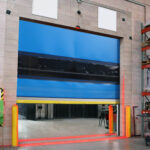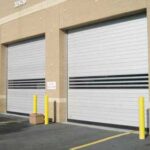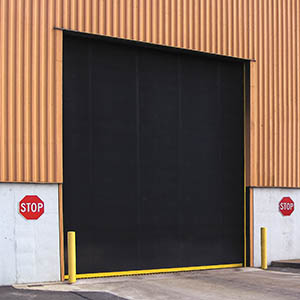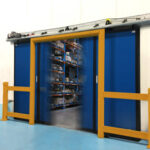
Top 10 Garage Doors with Built In Doors for Global Buyers

Choosing the right garage entrance affects security, daily comfort, and long-term maintenance. For global buyers, the decision involves more than appearance. A garage door with door can provide convenient pedestrian access without opening the full panel. This feature helps when carrying groceries, checking equipment, or entering a workshop quickly.

This guide introduces ten garage doors with built-in doors for different climates, properties, and budgets. Each option will be considered through practical details, including frame strength, insulation, weather seals, hinge quality, locking systems, and opening space. Manufacturer specifications provide a useful starting point. However, real installation conditions can change performance. A strong door may still struggle if the floor is uneven or the frame is poorly aligned.

Small details matter. Buyers should also check local building requirements, fire-safety expectations, wind ratings, electrical compatibility, and available replacement parts. These points vary between countries and sometimes between regions. Professional installation is strongly recommended, especially for heavy sectional or automated systems. An experienced installer can identify clearance problems before they become expensive.

No ranking is perfect. The best choice depends on use, climate, budget, and property design. Some models prioritize security, while others emphasize insulation or fast pedestrian access. The following selection aims to offer clear comparisons, practical observations, and reliable questions for supplier discussions. Before ordering, request drawings, warranty terms, testing information, and installation guidance. That small effort can prevent a costly mistake later.
Top 10 Garage Doors with Built In Doors for Global Buyers

What Are Garage Doors with Built-In Doors?

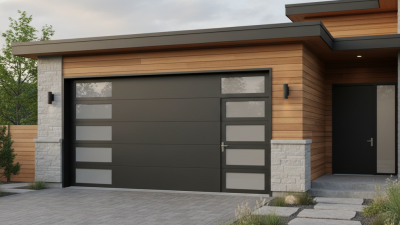
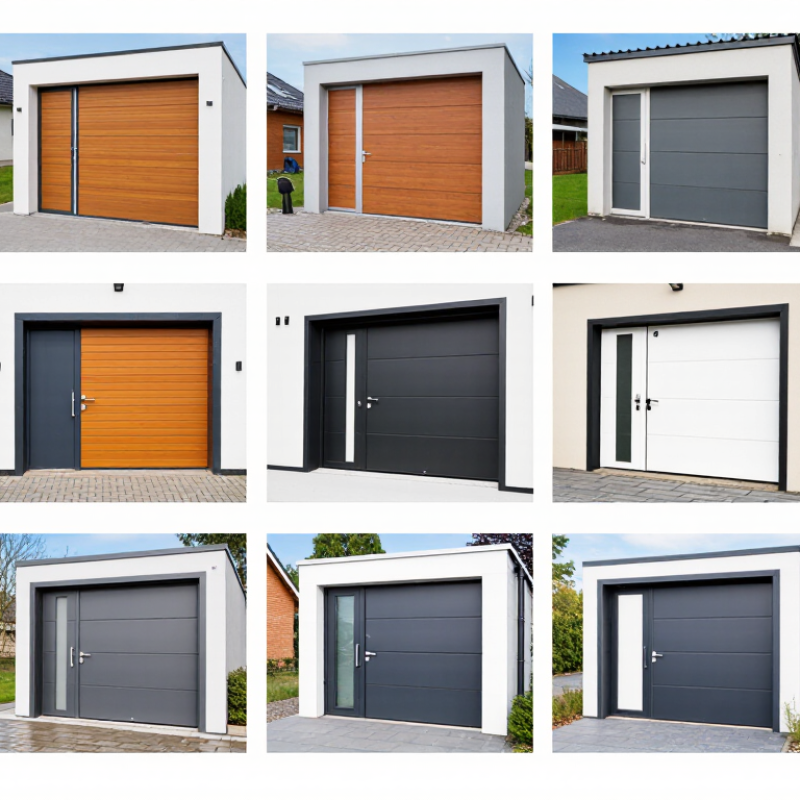
Garage doors with built-in doors combine a large vehicle opening with a smaller pedestrian entrance. The smaller door is integrated into the main panel, so you can enter without lifting the entire garage door. This design suits workshops, storage areas, and homes with frequent foot traffic. It can reduce heat loss and unnecessary motor cycles.

A built-in door normally includes hinges, a frame, seals, a threshold, and safety sensors. These parts must align precisely with the main door system. Poor alignment may cause drafts, rubbing, or unreliable closing. In colder regions, inspect the threshold and weather seals carefully. In humid or coastal areas, choose corrosion-resistant hardware and strong drainage details. Local building rules may also require minimum clearances, emergency access, or specific door ratings.

Tips: Measure the opening twice, including headroom and side space. Check whether the pedestrian door opens inward or outward. Confirm that the main door cannot operate while the smaller door remains open. Ask for tested safety documentation, installation instructions, and replacement-part availability. A lower price can hide difficult maintenance. I would not assume every built-in design fits every garage. Small differences in floor level or panel thickness can create expensive adjustments. A qualified installer should verify the structure before ordering.

Top 10 Garage Doors with Built-In Doors for Global Buyers

Common nominal garage-door sizes suitable for designs that may include a built-in pedestrian door. Width and height are shown in feet; actual availability, structural requirements, and local building regulations vary by market.

Wider door openings generally provide greater vehicle clearance, while built-in doors require careful positioning to preserve structural strength, weather sealing, and safe pedestrian access.

How Built-In Garage Doors Work and What They Include

A garage door with a built-in door combines vehicle access and pedestrian access in one structure. The smaller door allows people to enter without lifting the full panel. Its independent frame is mounted inside the larger garage door. A reinforced threshold supports daily foot traffic and limits drafts. When closed, hinges, locks, and seals keep the smaller opening secure. The main panel remains operational, but its balance requires careful engineering. This arrangement saves space. It is not a perfect solution.

During practical installation reviews, alignment is the detail that deserves the most attention. If hinges sit unevenly, the door may scrape, sag, or resist locking. Weather seals around the frame help control rain, dust, and outdoor noise. Some designs include an automatic closer or emergency release. A reliable lock should operate smoothly without excessive force. Safety sensors can prevent the larger door from moving when the built-in door remains open. They reduce risk, but they do not replace regular inspection.

Global buyers should check panel thickness, opening direction, and local safety requirements before ordering. Cold regions may need stronger insulation and flexible seals. Warm, wet locations require corrosion-resistant hardware. Opening width matters too. A narrow pedestrian door can feel inconvenient when carrying tools or bicycles. Installation quality can matter more than attractive specifications. My initial assumption was that every built-in door offered similar convenience. Field observations changed that view. Small frame errors can create noticeable problems.

Top 10 Garage Doors with Built-In Doors for Global Buyers

For global buyers, garage doors with built-in doors combine vehicle access with daily pedestrian convenience. A homeowner can enter without lifting a full steel panel. That matters during rain, cold mornings, and frequent workshop use. Yet a built-in door is not automatically better. The frame adds weight, hardware, and possible air leakage. Careful design matters more than appearance.

The 2023 Cost vs. Value Report recorded a 193.9% return for garage door replacement in its United States sample. This figure concerns replacement value, not every built-in model. Still, it shows the door’s strong practical impact.

DASMA guidance emphasizes balanced operation, safe counterbalance systems, and tested hardware. Buyers should request documented cycle ratings and installation instructions. Check the pedestrian door’s threshold height, hinges, locking system, and emergency release.

A low threshold helps daily access, but it may admit water in storm-prone areas. Double seals and insulated panels support better comfort in changing climates. The International Energy Conservation Code also uses tested U-factor and air-leakage values for door assemblies. Ask for those values, rather than trusting vague words such as “energy saving.”

Shipping creates another concern. A built-in door can increase crate size and installation time. Local technicians should verify opening dimensions before production. Small measurement errors become expensive overseas.

The overlooked question is serviceability. Can replacement rollers, seals, and locks be sourced locally? Global buyers should compare the complete life-cycle cost, not only the initial quotation.

How to Compare Materials, Security, Design, and Performance

For global buyers, a garage door with a built-in pedestrian door must balance materials, security, design, and daily performance. Steel usually provides strong impact resistance and stable geometry, while aluminum reduces weight and corrosion risk. Timber offers warmth and character, but it needs more maintenance in humid climates. Composite panels can imitate wood with fewer swelling problems, though their long-term durability deserves careful checking.

Security is more than a thick panel. Look for concealed hinges, reinforced locks, protected cables, automatic closing, and a pedestrian-door interlock. The door should not operate when the smaller door remains open. The FBI Crime Data Explorer recorded more than 847,000 burglary offenses in the United States during 2023. That figure does not prove one door design prevents crime. It does show why access control deserves serious attention. Check compliance with relevant requirements, such as UL 325 or EN 13241, in the destination market.

Performance needs measurable evidence. Compare U-factor, R-value, wind-load ratings, cycle testing, noise levels, and seal quality. The U.S. Energy Information Administration reported that space heating represented about 42% of household energy use in its 2020 Residential Energy Consumption Survey. A well-sealed garage door can reduce drafts near living spaces, although it is not a substitute for insulated walls. I would not select a door by R-value alone. Installation gaps, threshold design, and poor alignment can quietly defeat impressive laboratory figures. Small details matter.

Top 10 Garage Doors with Built-In Doors for Global Buyers — How to Compare Materials, Security, Design, and Performance
Rank Door Type Typical Construction Insulation
Typical R-Value
Built-In Door
Typical Clear Width
Security Level Typical Wind Design Range Expected Operating Cycles Design and Glazing Options Best-Fit Applications Indicative Installed Cost
USD
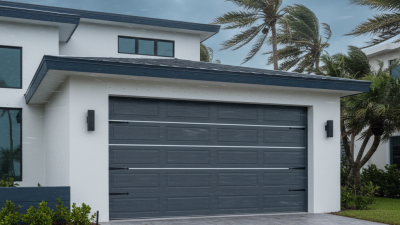
1 Insulated Steel Sectional Door with Personnel Door Double-skin galvanized steel panels with polyurethane or polystyrene insulation; reinforced pedestrian-door frame. R-10 to R-17 800–1,000 mm High 90–150 mph when engineered for the site 10,000–25,000 Flush, ribbed, woodgrain, powder-coated colors, optional vision panels. Residential garages, workshops, warehouses, and mixed-use buildings requiring balanced thermal performance and security. $4,000–$10,000
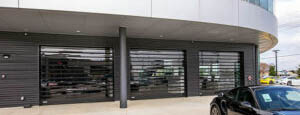
2 Thermally Broken Aluminum Full-View Sectional Door Aluminum frames with insulated or laminated glass infill; reinforced access-door stile and threshold. R-3 to R-10 800–950 mm Medium to High 90–130 mph when properly specified 10,000–25,000 Clear, tinted, frosted, laminated, or insulated glass; anodized or powder-coated frames. Automotive showrooms, fire stations, service facilities, restaurants, and modern commercial buildings. $7,000–$18,000
3 Insulated Aluminum Sectional Door with Solid Panels Lightweight aluminum frame with insulated sandwich panels and corrosion-resistant hardware. R-8 to R-15 800–1,000 mm High 90–140 mph when engineered for local conditions 15,000–30,000 Solid panels, narrow vision strips, custom colors, and low-maintenance finishes. Coastal areas, commercial garages, parking facilities, and buildings where corrosion resistance is important. $5,500–$13,000
4 Wood Sectional Door with Integrated Wicket Door Natural timber or engineered wood stiles and rails with insulated cores and reinforced personnel-door hardware. R-3 to R-8 800–950 mm Medium 90–120 mph with suitable reinforcement 10,000–20,000 Stained or painted wood, decorative overlays, traditional glazing, and carriage-house detailing. High-end residential garages, heritage properties, villas, and architectural projects. $8,000–$20,000
5 Composite Overlay Steel Sectional Door Insulated steel base door with molded composite or engineered-wood exterior overlays and a matching access door. R-10 to R-16 800–1,000 mm High 90–140 mph when reinforced and certified 10,000–25,000 Plank, shaker, or carriage-house appearance with reduced maintenance compared with solid wood. Residential and light-commercial projects seeking a premium wood appearance with improved durability. $6,000–$15,000
6 Insulated Rolling Steel Door with Personnel Door Interlocking galvanized steel slats with insulated profiles, bottom bar, guides, and a separately reinforced access section. R-7 to R-14 800–900 mm High 90–150 mph depending on curtain and guide design 20,000–50,000 Compact overhead storage, powder-coated finishes, vision slats, and optional perforated sections. Industrial garages, loading areas, service bays, and facilities with limited ceiling space. $5,000–$14,000
7 Fire-Rated Rolling Steel Door with Access Door Fire-rated steel curtain, guides, bottom bar, fusible-link or monitored release system, and a specially tested personnel door assembly. Usually not stated as a standard R-value; fire rating is the primary performance measure. 800–900 mm Very High Project-specific; commonly engineered for 90–150 mph 25,000–100,000 Primarily functional finishes; fire-rated vision panels and certified panic hardware may be available. Industrial plants, parking structures, utility rooms, logistics facilities, and fire-compartment openings. $10,000–$30,000
8 High-Speed Fabric Door with Integrated Personnel Access Flexible PVC or textile curtain with wind bars, high-speed drive, safety sensors, and an integrated or adjacent access panel. R-0 to R-5 800–1,000 mm Medium 60–100 mph depending on wind-bar and guide design 100,000–1,000,000 Transparent vision sections, colored curtains, insulated fabric, and impact-recovery features. High-traffic workshops, distribution centers, cold-chain areas, and indoor vehicle circulation routes. $7,000–$20,000
9 Side-Sliding Sectional Door with Built-In Personnel Door Horizontally moving insulated steel or aluminum panels with floor guidance and a reinforced pedestrian-door section. R-8 to R-15 800–1,000 mm High 90–130 mph when track and panel systems are engineered accordingly 10,000–25,000 Useful where ceiling tracks are restricted; available with glazing strips and custom panel finishes. Garages with low headroom, obstructions above the opening, workshops, and retrofit projects. $6,000–$16,000
10 Vertical-Lift Insulated Industrial Door with Access Door Heavy-duty insulated steel sectional panels lifting vertically along wall-mounted tracks; access door includes reinforced hinges and safety interlocks. R-10 to R-18 800–1,000 mm Very High 100–160 mph when designed for the building and opening 25,000–100,000 Large clear opening, high-cycle hardware, vision panels, and impact-resistant bottom sections. Aircraft hangars, bus depots, heavy-vehicle workshops, logistics buildings, and large industrial facilities. $12,000–$35,000
Comparison note: The figures above are typical market ranges for comparable door configurations, not guaranteed specifications. Actual wind resistance, fire performance, thermal values, cycle life, safety certification, and installed cost depend on opening size, local building codes, climate, hardware, testing standards, installation quality, and the exact personnel-door design. A built-in door should include a threshold, closer, lockset, safety interlock, and a door-within-door system tested for the complete assembly.

What Global Buyers Should Know About Installation and Maintenance

Built-in pedestrian doors make garage access easier, but installation requires careful planning. Measure the opening, ceiling clearance, side space, and floor level before ordering. A small error can prevent smooth movement. Measure twice. Global buyers should also check local building codes, fire rules, wind-load requirements, and electrical standards. Climate matters too. Coastal air can accelerate corrosion, while freezing weather may stiffen seals and hinges.

Tips: Ask a qualified local installer to inspect the wall, tracks, springs, and supporting structure. Confirm that the pedestrian door closes fully before the main door operates. Keep the threshold clean and dry. Choose weather seals suited to your region. Installation instructions may be clear, but translations can still create misunderstandings. Confirm every measurement in writing.

Maintenance should be simple, but it is often neglected. Inspect cables, rollers, hinges, locks, and seals every few months. Listen for scraping, uneven lifting, or sudden vibration. These signs deserve prompt attention. Lubricate only the parts approved by the manufacturer, and never adjust high-tension springs without trained support. Wipe salt, dust, and road grit from exposed metal. I have seen owners focus on the motor while ignoring a damaged threshold. That small oversight allowed water into the garage. A maintenance log with dates, symptoms, and repairs improves communication with technicians, especially when parts must cross borders.