
- High-Performance Doors
-
- Applications
-
-
-
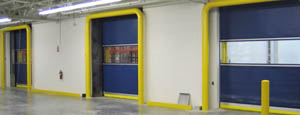
- Clean Room
Stainless steel or composite materials help maintain clean rooms.
-
-
- Coolers
Quick opening speeds & tight seals for temperature control.
-
-
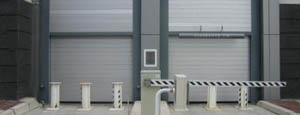
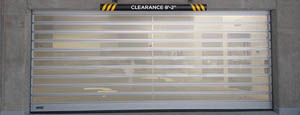
- Parking
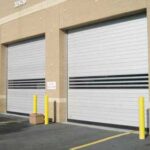
Improve security & traffic flow and enhance architectural style.
-
-
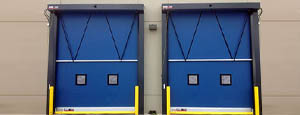
- Hurricane Zone
Withstand winds up to 175 mph and comply with the Florida Building Code.
-
-
-
-
- USDA / FDA / cGMP
Increase productivity & address stringent USDA, FDA & cGMP requirements.
-
-
- Freezers
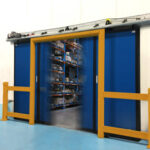
High-speed & perimeter seals minimize the air exchange between areas.
-
-
- Security
High speed & durability ensure secure access.
-
-
- Ventilation
Perforated or screen door panels allow improved air circulation.
-
-
-
-
- Fire Station Emergency Response
When time is of the essence, high speed and reliability are crucial.
-
-
- Warehousing
Fast cycle times and secure seals keep environments separated.
-
-
- Loading Dock
Rugged design & secure seal for oversized openings.
-
-
- Large Openings
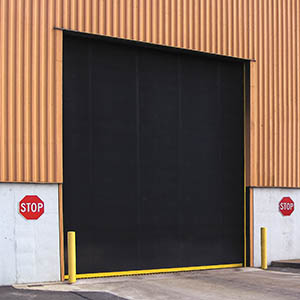
Break-away functionality with rugged design seals oversized openings.
-
-
-
-
- Heavy Equipment
Withstands challenges of heavy equipment and fleet truck/car wash environments.
-
-
- Self-Storage
Fast opening speeds and reliable, durable construction keep facilities secure and protected.
-
-
- Industries
-
-
-
- Automotive Dealerships
Reduce energy costs, increase productivity and comfort and enhance customer perception.
-
-
- Cold Storage & Processing
Increase productivity and operational efficiency while reducing energy and maintenance costs.
-
-
- Parking
We offer solutions for Apartment / Condo & Loft, Standalone Parking Facilities and Office Buildings
-
-
-
-
- Food & Beverage
Doors specifically engineered for USDA/FDA and cGMP environments, and assured compliance for uncompromising performance.
-
-
- Mfg/Dist/Warehousing
A complete product line allows facilities to increase efficiency and safety and reduce maintenance and energy costs.
-
-
- Government
Ensure effective security and environmental controls are maintained for critical government operations.
-
-
-
-
- Transit
Keep operations running smoothly and efficient while reducing energy and maintenance costs.
-
-
- Pharma, Nutraceutical & Biotech
Doors that offer quick, secure access, environmental control and reliability for life science facilities.
-
-
- Support Resources
- Parts
- Contact Us
- Blog/News
- Why Rytec
- Sales Rep Locator
- Careers
- Dealers
- Architectural Resources
















10 Tips to Choose the Best Value Vacuum Pump?
Choosing the right Value Vacuum Pump is not simply a matter of comparing prices. A pump that looks affordable may consume more power, require frequent oil changes, or fail under continuous operation. In real workshops, these hidden costs can quickly exceed the original purchase price. A quieter motor, stable vacuum performance, and accessible replacement parts often matter more than a promotional discount.
This guide presents ten practical tips for evaluating pump value with greater confidence. The recommendations consider vacuum level, pumping speed, construction quality, operating noise, maintenance needs, energy use, warranty coverage, and supplier support. These factors are drawn from common equipment-selection practices used in laboratories, refrigeration service, packaging, and industrial maintenance. Check the specifications carefully. Marketing language can be vague.
A reliable decision should begin with your actual application. A small rotary vane pump may suit intermittent laboratory work, while a dry pump can be better for cleaner processes. Measure the chamber size, working pressure, daily runtime, and nearby ventilation before choosing. Do not ignore the sound level; a loud pump can make a small workspace uncomfortable. Cost estimates should include filters, seals, oil, electricity, and possible downtime.
Some judgment calls remain unavoidable. No single model is ideal for every user. Even experienced buyers can overestimate future capacity or underestimate maintenance demands. That is why testing supplier claims, reviewing independent feedback, and asking for technical documentation are essential. The best Value Vacuum Pump should deliver dependable performance, manageable ownership costs, and a realistic service life—not merely the lowest invoice total.
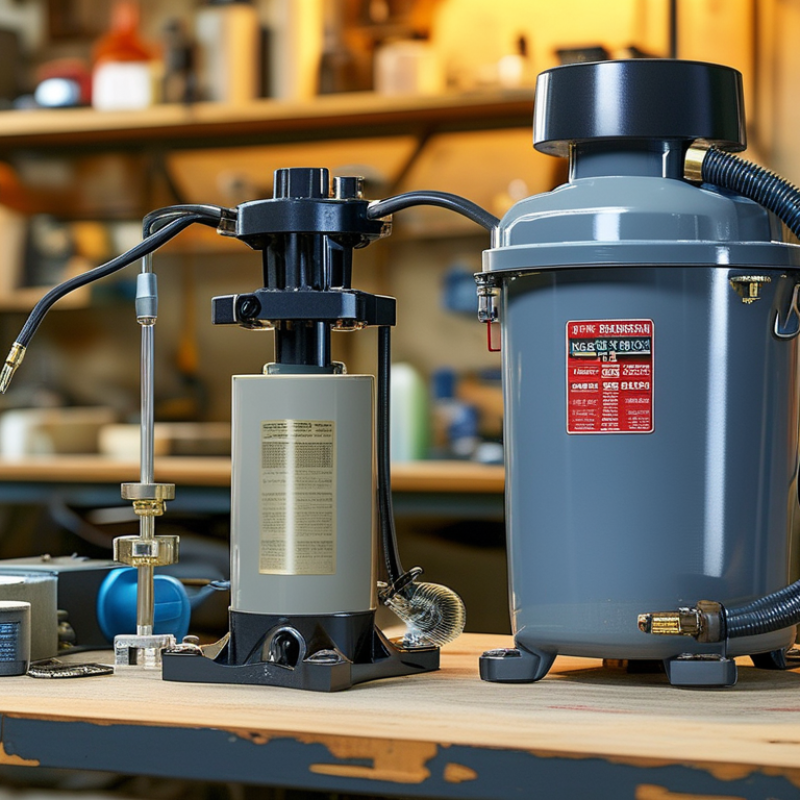
Table of Contents [Hide]
Define Vacuum Pump Value Beyond the Purchase Price
10 Tips to Choose the Best Value Vacuum Pump?
Define Vacuum Pump Value Beyond the Purchase Price
A low purchase price can hide expensive electricity, oil, seals, and unexpected downtime. In my field experience, value begins with the process, not the catalog discount. Check the required vacuum level. Confirm the necessary pumping speed. Match the pump to your duty cycle. Inspect gas compatibility and construction materials. A pump that struggles every hour may consume more than it saves.
Measure energy use during normal operation. Estimate maintenance costs over three years. Check replacement-part availability before ordering. Review noise and heat near operators. Ask for clear performance data, service intervals, and warranty terms. Reliable documentation matters. So does practical technical support. If the supplier cannot explain operating limits, pause before buying.
Consider installation space, connection sizes, controls, and future expansion. Test whether the pump can handle moisture, particles, or frequent starts. These small details often decide real-world value. I once favored a cheaper unit and underestimated cleaning time. That mistake was measurable. It also changed how I compare equipment.
Do not trust one impressive specification. Request application references or a controlled trial when possible. Compare total ownership cost, not only the invoice. A slightly higher initial price may reduce stoppages and labor. Still, every process is different. Even careful estimates can miss unusual contamination or seasonal demand. Leave room for that uncertainty.