
- High-Performance Doors
-
- Applications
-
-
-
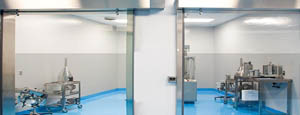
- Clean Room
Stainless steel or composite materials help maintain clean rooms.
-
-
- Coolers
Quick opening speeds & tight seals for temperature control.
-
-
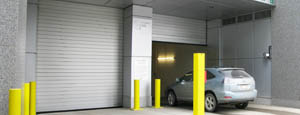
- Parking
Improve security & traffic flow and enhance architectural style.
-
-
- Hurricane Zone
Withstand winds up to 175 mph and comply with the Florida Building Code.
-
-
-
-
- USDA / FDA / cGMP
Increase productivity & address stringent USDA, FDA & cGMP requirements.
-
-
- Freezers
High-speed & perimeter seals minimize the air exchange between areas.
-
-
- Security
High speed & durability ensure secure access.
-
-
- Ventilation
Perforated or screen door panels allow improved air circulation.
-
-
-
-
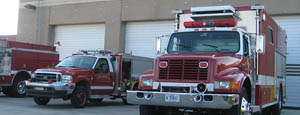
- Fire Station Emergency Response
When time is of the essence, high speed and reliability are crucial.
-
-
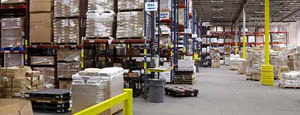
- Warehousing
Fast cycle times and secure seals keep environments separated.
-
-
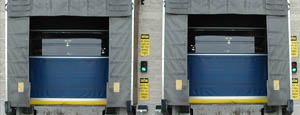
- Loading Dock
Rugged design & secure seal for oversized openings.
-
-
- Large Openings
Break-away functionality with rugged design seals oversized openings.
-
-
-
-
- Heavy Equipment
Withstands challenges of heavy equipment and fleet truck/car wash environments.
-
-
- Self-Storage
Fast opening speeds and reliable, durable construction keep facilities secure and protected.
-
-
- Industries
-
-
-
- Automotive Dealerships
Reduce energy costs, increase productivity and comfort and enhance customer perception.
-
-
- Cold Storage & Processing
Increase productivity and operational efficiency while reducing energy and maintenance costs.
-
-
- Parking
We offer solutions for Apartment / Condo & Loft, Standalone Parking Facilities and Office Buildings
-
-
-
-
- Food & Beverage
Doors specifically engineered for USDA/FDA and cGMP environments, and assured compliance for uncompromising performance.
-
-
- Mfg/Dist/Warehousing
A complete product line allows facilities to increase efficiency and safety and reduce maintenance and energy costs.
-
-
- Government
Ensure effective security and environmental controls are maintained for critical government operations.
-
-
-
-
- Transit
Keep operations running smoothly and efficient while reducing energy and maintenance costs.
-
-
- Pharma, Nutraceutical & Biotech
Doors that offer quick, secure access, environmental control and reliability for life science facilities.
-
-
- Support Resources
- Parts
- Contact Us
- Blog/News
- Why Rytec
- Sales Rep Locator
- Careers
- Dealers
- Architectural Resources






10 Tips for Choosing an Outdoor Musical Fountain
Choosing an Outdoor Musical Fountain is not merely a matter of selecting colorful lights and powerful pumps. It is a technical design decision that affects visitor experience, operating costs, safety, and long-term maintenance. A successful installation must harmonize water movement, music, lighting, architecture, and local climate. Even a beautiful fountain can disappoint when wind scatters its jets or poor filtration clouds the basin.
Mark Fuller, founder of WET Design, once described the creative goal simply: “We wanted to make water dance.” That idea remains useful, but making water “dance” requires careful engineering. Pump curves, nozzle height, water pressure, speaker placement, control systems, and drainage capacity all deserve attention. Site measurements matter more than attractive showroom images.
This guide presents ten practical tips for choosing an Outdoor Musical Fountain. It considers venue size, musical programming, energy consumption, water treatment, weather resistance, accessibility, installation quality, and service support. Look closely. Ask difficult questions. A low purchase price may hide expensive repairs, complicated software, or unavailable replacement parts.
Some assumptions may fail.
For example, a fountain tested in calm weather may perform poorly beside a busy coastal road. A dramatic jet pattern may also create excessive spray near walkways. The best decision comes from combining supplier expertise, independent technical checks, and realistic operating data. Review the design from the audience’s viewpoint, but inspect it like a facility manager. A memorable show should remain dependable after the opening ceremony.

Table of Contents [Hide]
Define the Purpose and Setting of the Outdoor Musical Fountain
An outdoor musical fountain should begin with a clear purpose, not a pump catalogue. Will it welcome visitors, anchor a public plaza, support evening events, or create a quiet landmark? Each answer changes the basin size, music system, lighting, seating, and operating schedule. A family attraction may need playful jets and safe viewing distances. A civic space may require restrained movement and excellent visibility. The setting must guide the design.
Study the site at different hours. Observe sunlight, wind, nearby roads, pedestrian paths, and surrounding buildings. Water mist can drift toward seating or slippery walkways. Sound may feel exciting during an event but distracting beside offices or homes. Experienced fountain designers usually review drainage, electrical access, maintenance routes, and seasonal weather before selecting equipment. A detailed site survey prevents expensive changes later.
I once underestimated how strongly afternoon wind could affect spray patterns. The fountain looked balanced in drawings, yet several jets missed their intended rhythm outdoors. That mistake changed my planning process. Now, I recommend testing water trajectories with temporary markers and reviewing sound levels from several viewpoints. Leave room for technicians to work safely. Keep controls accessible, and choose programming that matches the location’s real audience, not an imagined one. A beautiful setting can still expose weak planning.