
- High-Performance Doors
-
- Applications
-
-
-
- Clean Room
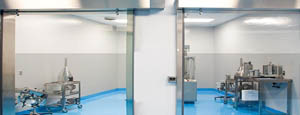
Stainless steel or composite materials help maintain clean rooms.
-
-
- Coolers
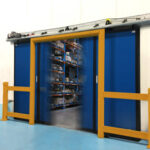
Quick opening speeds & tight seals for temperature control.
-
-
- Parking
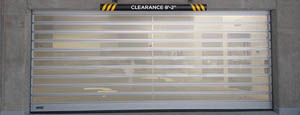
Improve security & traffic flow and enhance architectural style.
-
-
- Hurricane Zone
Withstand winds up to 175 mph and comply with the Florida Building Code.
-
-
-
-
- USDA / FDA / cGMP
Increase productivity & address stringent USDA, FDA & cGMP requirements.
-
-
- Freezers
High-speed & perimeter seals minimize the air exchange between areas.
-
-
- Security
High speed & durability ensure secure access.
-
-
- Ventilation
Perforated or screen door panels allow improved air circulation.
-
-
-
-
- Fire Station Emergency Response
When time is of the essence, high speed and reliability are crucial.
-
-
- Warehousing
Fast cycle times and secure seals keep environments separated.
-
-
- Loading Dock
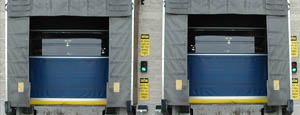
Rugged design & secure seal for oversized openings.
-
-
- Large Openings
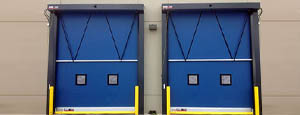
Break-away functionality with rugged design seals oversized openings.
-
-
-
-
- Heavy Equipment
Withstands challenges of heavy equipment and fleet truck/car wash environments.
-
-
- Self-Storage
Fast opening speeds and reliable, durable construction keep facilities secure and protected.
-
-
- Industries
-
-
-
- Automotive Dealerships
Reduce energy costs, increase productivity and comfort and enhance customer perception.
-
-
- Cold Storage & Processing
Increase productivity and operational efficiency while reducing energy and maintenance costs.
-
-
- Parking
We offer solutions for Apartment / Condo & Loft, Standalone Parking Facilities and Office Buildings
-
-
-
-
- Food & Beverage
Doors specifically engineered for USDA/FDA and cGMP environments, and assured compliance for uncompromising performance.
-
-
- Mfg/Dist/Warehousing
A complete product line allows facilities to increase efficiency and safety and reduce maintenance and energy costs.
-
-
- Government
Ensure effective security and environmental controls are maintained for critical government operations.
-
-
-
-
- Transit
Keep operations running smoothly and efficient while reducing energy and maintenance costs.
-
-
- Pharma, Nutraceutical & Biotech
Doors that offer quick, secure access, environmental control and reliability for life science facilities.
-
-
- Support Resources
- Parts
- Contact Us
- Blog/News
- Why Rytec
- Sales Rep Locator
- Careers
- Dealers
- Architectural Resources




















How to Source Non Touch Faucets in 2026?
Sourcing Non Touch Faucets in 2026 requires more than comparing prices on a supplier website. Buyers must evaluate sensor accuracy, water efficiency, hygiene performance, material quality, and long-term service support. A polished product photo proves very little. The real evidence appears in test reports, factory records, installation trials, and customer feedback.
A reliable sourcing process begins with a clear use case. A busy airport restroom needs fast detection and strong vandal resistance. A small clinic may prioritize touch-free operation, easy cleaning, and stable temperature control. Check whether the faucet uses brass, stainless steel, or coated zinc components. Ask for flow-rate data, battery life, spare-part availability, and warranty terms. Request samples before placing a large order. Test them with wet hands, gloved hands, and different water pressures.
Supplier verification also matters. Review manufacturing experience, quality-control procedures, export history, and relevant product certifications. Confirm that documents match the exact model, not a similar-looking item. Installation details can change the final cost. A low unit price may hide expensive valves, adapters, labor, or replacement batteries.
Some assumptions will be wrong.
Even experienced buyers can overlook maintenance access or sensor interference from bright lighting. That is why practical testing should guide the final decision. In 2026, the strongest sourcing strategy will balance hygiene, reliability, compliance, lifecycle cost, and user experience. It will not depend on marketing claims alone.
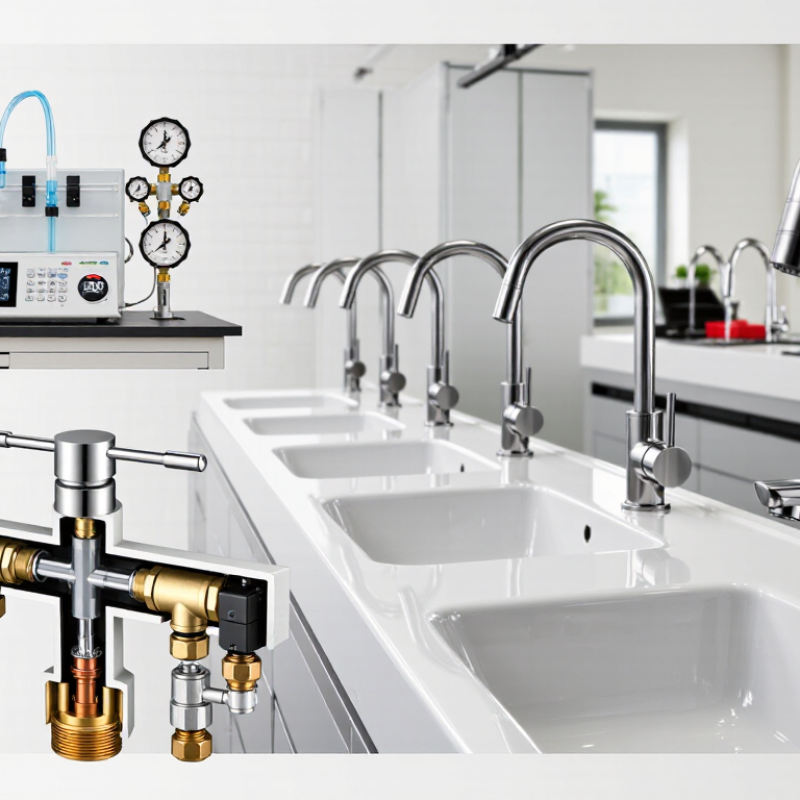
Table of Contents [Hide]
Define Non-Touch Faucet Types, Features, and 2026 Market Standards
How to Source Non-Touch Faucets in 2026?
Non-touch faucets now include infrared sensor, touchless electronic, and hybrid manual-sensor models. Infrared units detect hand movement beneath the spout. Hybrid models keep a manual option for outages or maintenance. This small distinction matters in busy washrooms. The sensor should respond quickly, without splashing water across the basin.
Features must match the installation, not the catalogue photograph. Check flow rate, detection range, power source, battery life, and cleaning access.
EPA WaterSense limits qualifying bathroom faucets to 1.5 gallons per minute at 60 psi. ASME A112.18.1/CSA B125.1 covers key faucet performance requirements. NSF/ANSI 61 addresses materials that contact drinking water.
Grand View Research’s 2024 touchless faucet analysis identifies hygiene, water efficiency, and commercial retrofits as major demand drivers. However, market forecasts are not purchasing specifications. They should support decisions, not replace testing.
Tips: Request a working sample and test it with wet, gloved, and very small hands. Measure activation time beside the basin. Ask for replacement sensor modules, battery intervals, and manual override details. Check whether installers can reach the control box without removing wall tiles. I have seen attractive samples fail when bright lighting confused the sensor. That is an easy detail to miss. Also review local plumbing and accessibility requirements before approving a 2026 specification.