
- High-Performance Doors
-
- Applications
-
-
-
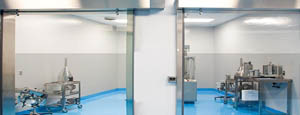
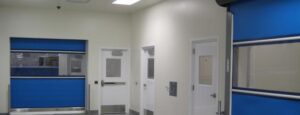
- Clean Room
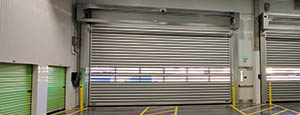
Stainless steel or composite materials help maintain clean rooms.
-
-
- Coolers
Quick opening speeds & tight seals for temperature control.
-
-
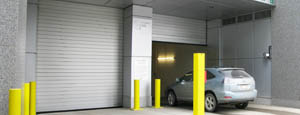
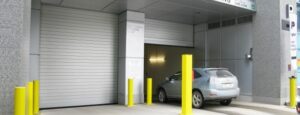
- Parking
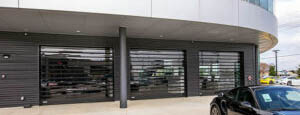
Improve security & traffic flow and enhance architectural style.
-
-
- Hurricane Zone
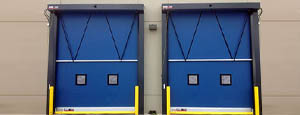
Withstand winds up to 175 mph and comply with the Florida Building Code.
-
-
-
-
- USDA / FDA / cGMP
Increase productivity & address stringent USDA, FDA & cGMP requirements.
-
-
- Freezers
High-speed & perimeter seals minimize the air exchange between areas.
-
-
- Security
High speed & durability ensure secure access.
-
-
- Ventilation
Perforated or screen door panels allow improved air circulation.
-
-
-
-
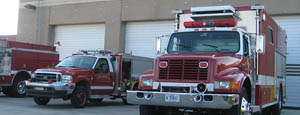
- Fire Station Emergency Response
When time is of the essence, high speed and reliability are crucial.
-
-
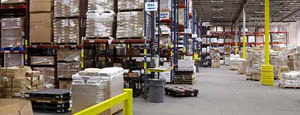
- Warehousing
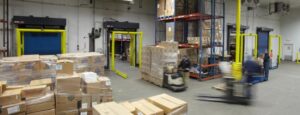
Fast cycle times and secure seals keep environments separated.
-
-
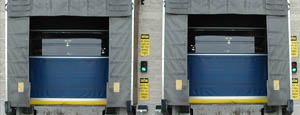
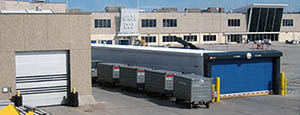
- Loading Dock
Rugged design & secure seal for oversized openings.
-
-
- Large Openings
Break-away functionality with rugged design seals oversized openings.
-
-
-
-
- Heavy Equipment
Withstands challenges of heavy equipment and fleet truck/car wash environments.
-
-
- Self-Storage
Fast opening speeds and reliable, durable construction keep facilities secure and protected.
-
-
- Industries
-
-
-
- Automotive Dealerships
Reduce energy costs, increase productivity and comfort and enhance customer perception.
-
-
- Cold Storage & Processing
Increase productivity and operational efficiency while reducing energy and maintenance costs.
-
-
- Parking
We offer solutions for Apartment / Condo & Loft, Standalone Parking Facilities and Office Buildings
-
-
-
-
- Food & Beverage
Doors specifically engineered for USDA/FDA and cGMP environments, and assured compliance for uncompromising performance.
-
-
- Mfg/Dist/Warehousing
A complete product line allows facilities to increase efficiency and safety and reduce maintenance and energy costs.
-
-
- Government
Ensure effective security and environmental controls are maintained for critical government operations.
-
-
-
-
- Transit
Keep operations running smoothly and efficient while reducing energy and maintenance costs.
-
-
- Pharma, Nutraceutical & Biotech
Doors that offer quick, secure access, environmental control and reliability for life science facilities.
-
-
- Support Resources
- Parts
- Contact Us
- Blog/News
- Why Rytec
- Sales Rep Locator
- Careers
- Dealers
- Architectural Resources
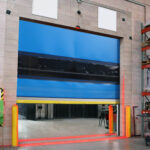
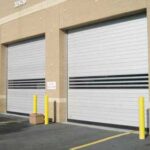
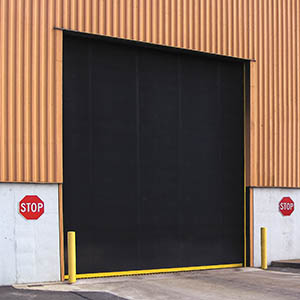
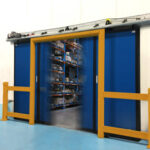



What is a Rolling Garage Door and How Does It Work?
A rolling garage door has become a popular choice among homeowners and businesses alike. This innovative design offers convenience and security, making it a valuable addition to any property. Expert in garage door systems, John Smith, emphasizes, "Rolling garage doors combine functionality with modern style."
The mechanics behind a rolling garage door involve a series of horizontal slats that neatly roll into place when opened. This space-saving feature makes it ideal for locations with limited room. Imagine a sleek door that glides silently, enhancing both security and aesthetic appeal.
However, not all rolling garage doors operate flawlessly. Misalignment can occur, causing inconvenience and frustration. It's essential to keep this in mind when selecting and maintaining a rolling garage door. Regular checks can prevent issues and ensure smooth operation. Embracing these doors means understanding their strengths and recognizing potential pitfalls.
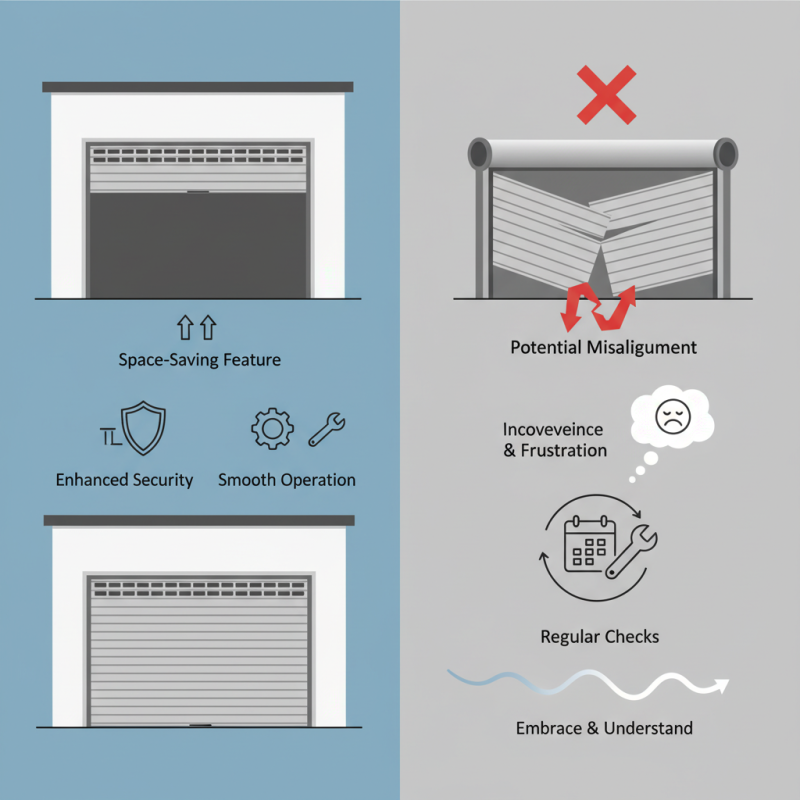
Table of Contents
[Hide]
What is a Rolling Garage Door? Definition and Overview
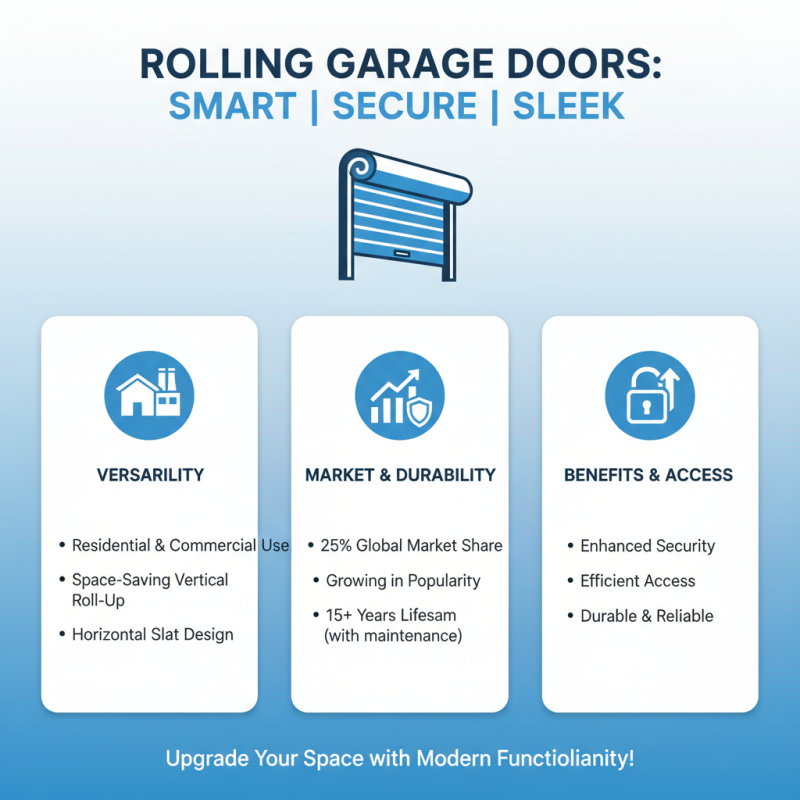
A rolling garage door is a versatile option for both residential and commercial settings. It is composed of horizontal slats that roll up vertically, saving space and offering a sleek look. Industry reports note that rolling doors account for approximately 25% of the global garage door market, reflecting their rising popularity. They provide efficient access and added security. Many users appreciate their durability, typically lasting over 15 years with proper maintenance.
What makes these doors unique is their mechanical operation. A motorized system lifts the door by rotating the slats around a drum. This design allows for a seamless opening and closing process. Some installations reveal issues with alignment, causing the door to misbehave. Ensuring accurate installation is crucial. Regular inspection can prevent these pitfalls and enhance longevity. In a survey, approximately 30% of users reported minor malfunctions due to lack of maintenance. Understanding this can lead to better user experiences, ensuring a functional and stylish entryway.
Related Posts
-

Top 5 Benefits of Installing Hurricane Impact Garage Doors for Your Home
-
What is a Rytec Door and Why Are They Essential for Your Business
-

10 Best Garage Doors with Door Options for Every Home?
-
2025 How to Protect Your Garage Door from Hurricane Damage Effectively
-

Revolutionize Your Living Space with Innovative Folding Sliding Doors Solutions
-
Best 10 Steel Roll Up Doors for Your Business Needs?